
Hidrosefalide Harici Drenajdan Kalıcı Şanta Geçiş
EVD ile başlayan olgular hangi noktada şanta geçer? Geçiş kararı ve iki sistem arasındaki süreklilik.
Öne Çıkanlar
- Harici drenaj geçici bir çözümdür; süresi uzadıkça risk birikir.
- Geçiş kararı, drenaj bağımlılığının sınanmasıyla verilir.
- Aktif enfeksiyon varlığında kalıcı sisteme geçilmez.
- Emdirilmiş kateterde salım penceresi 28 gündür; plan buna göre kurulur.
Bu yazının gövdesi İngilizce olarak yayımlanmıştır. Türkçe özet yukarıda, DESU ürün ve uygulama bilgileri yazının sonundadır.
Hydrocephalus, often referred to as “water on the brain,” is a complex neurological condition characterized by the abnormal accumulation of cerebrospinal fluid (CSF) within the brain’s ventricles. This buildup can lead to increased intracranial pressure, causing a range of symptoms, including headaches, nausea, cognitive impairment, and, in severe cases, life-threatening complications.
The condition can affect individuals of all ages, from infants to older adults, and requires timely and effective management. One of the most common treatments is the implantation of a shunt system. DESU, a neurosurgical device manufacturer founded in 2007 in Ankara, Türkiye, designs and manufactures shunt systems with fixed-pressure and adjustable valves. This article covers the science behind hydrocephalus, how shunts work, and how valve and catheter choices fit into treatment.
Understanding Hydrocephalus
Hydrocephalus arises from an imbalance between the production and absorption of cerebrospinal fluid (CSF). CSF is a clear, colorless fluid that surrounds the brain and spinal cord, providing cushioning, nutrients, and waste removal. Under normal conditions, CSF is produced in the ventricles of the brain, circulates through the ventricular system, and is absorbed into the bloodstream. However, when this balance is disrupted—due to overproduction, obstruction, or impaired absorption—CSF accumulates, leading to hydrocephalus.
There are two primary types of hydrocephalus:
- Congenital Hydrocephalus : Present at birth, this form is often caused by genetic factors, infections during pregnancy, or developmental abnormalities such as spina bifida.
- Acquired Hydrocephalus : This type develops after birth due to traumatic brain injury, infections (e.g., meningitis), tumors, or hemorrhages (e.g., intraventricular hemorrhage in premature infants).
Symptoms vary depending on age and the progression of the condition. Infants may exhibit an enlarged head, irritability, and developmental delays, while adults may experience headaches, vision problems, and cognitive decline.

The Role of Shunts in Hydrocephalus Treatment
Shunt systems are the cornerstone of hydrocephalus management. A shunt is a medical device designed to divert excess CSF from the brain to another part of the body, where it can be absorbed. The most common type of shunt is the ventriculoperitoneal (VP) shunt , which redirects CSF from the brain’s ventricles to the abdominal cavity.
Components of a Shunt System
A typical shunt system consists of three main components:
- Catheters : Thin, flexible tubes that transport CSF. The proximal catheter is placed in the brain’s ventricle, while the distal catheter is routed to the absorption site (e.g., abdomen or heart).
- Valve : A critical component that regulates the flow of CSF. Valves can be fixed-pressure or adjustable, with the latter allowing non-invasive adjustments to optimize CSF drainage.
- Reservoir : A chamber that allows clinicians to sample CSF or test shunt function.
How Shunts Work
The shunt system acts as a “plumbing system” for the brain. When intracranial pressure rises, the valve opens, allowing excess CSF to flow through the catheters to the absorption site. This process helps keep pressure within a safe range and protect the brain from the effects of raised pressure.
Challenges in Shunt Therapy
While shunts are life-saving devices, they are not without challenges. Some of the most common issues include:
- Shunt Malfunction : Blockages, disconnections, or mechanical failures can occur, requiring surgical revision.
- Infection : Shunt systems are foreign bodies, making them susceptible to infections, particularly in the early postoperative period.
- Over- or Under-Drainage : Improper drainage can lead to complications such as subdural hematomas (over-drainage) or persistent symptoms (under-drainage).
These challenges shape how shunt systems are designed and how valve and catheter options are chosen for each patient.
DESU Shunt Systems
DESU manufactures shunt systems for hydrocephalus in its own cleanrooms under an ISO 13485 quality management system, and its products carry the CE mark. The range includes the Depus polysulfone valve family with fixed and adjustable options, and the Defit and Decurve silicone shunts.
Adjustable Valves
Unlike fixed-pressure valves, whose setting can only be changed surgically, the adjustable Depus valve used in DESU’s adjustable ventriculoperitoneal shunt kits can be adjusted non-invasively with the Depus Adjustment Kit: the Locator finds the valve and reads its level, the Magnet sets it and the Compass verifies it. This lets clinicians match the setting to the patient’s needs over time and can avoid revision surgery for pressure-related reasons.
Key Features of DESU Shunts
- Valve mechanism: the Depus valve has a polysulfone body with a ruby ball and titanium spring mechanism, in low, medium and high fixed pressures and adjustable options.
- Silicone alternatives: the Defit flat-bottom shunt (Ultra Small, Small and Regular sizes) and the Decurve burr-hole shunt with reservoir contain no metal; Defit is compatible with MRI and CT.
- Infection risk: VP shunt kits are available with standard or antibiotic-impregnated catheters, with controlled release of the agent over 28 days.
- Imaging: for any valve, the MRI conditions in the instructions for use should be followed.
The Future of Hydrocephalus Treatment
Shunt technology continues to develop. Directions under investigation include:
- Smart shunts: integration of sensors to monitor intracranial pressure and CSF flow.
- Minimally invasive techniques: endoscopic procedures, such as endoscopic third ventriculostomy, as an alternative to shunting in selected patients.
Each of these still needs clinical evaluation before it changes routine practice.
Conclusion
Hydrocephalus is a challenging condition that requires effective and reliable treatment. Shunt systems, including those with adjustable valves, have transformed its management and give many patients a chance at a better quality of life. As research continues, treatment options are likely to become more refined.
Understanding the science behind hydrocephalus and the role of shunts helps patients, caregivers and healthcare providers make informed decisions about treatment.
Geçici sistemden kalıcıya
Akut hidrosefalide harici ventriküler drenaj, basıncı hızlı kontrol altına alır ancak geçici bir çözümdür. Sistem yerinde kaldıkça enfeksiyon riski birikir ve hastanın hareketliliği kısıtlanır. Dolayısıyla EVD ile başlayan her olguda, bir noktada ya drenaj bağımlılığının sona erdiğine ya da kalıcı sisteme geçileceğine karar verilir.
Karar nasıl sınanır
Drenaj bağımlılığı, drenajın kademeli olarak kısıtlanması ve klinik ile görüntüleme yanıtının izlenmesiyle sınanır. Yanıt olumluysa sistem çıkarılır; bağımlılık sürüyorsa kalıcı şanta geçilir. Bu sınamanın belirli bir protokole bağlanması, merkezler arasında en çok değişen ve en kolay standartlaşan adımlardan biridir.
Zamanlama ve iki koşul
Geçişte iki koşul belirleyicidir. Birincisi enfeksiyon: aktif enfeksiyon varlığında kalıcı sisteme geçilmez, önce enfeksiyonun tedavi edilmesi gerekir. İkincisi süre: EVD-010 Serisi gibi bir sistemde antibiyotik emdirilmiş EVD kateteri kullanıldıysa kontrollü salım 28 gün boyunca sürer ve drenajın bu pencereyi aşması bekleniyorsa plan baştan yapılmalıdır.
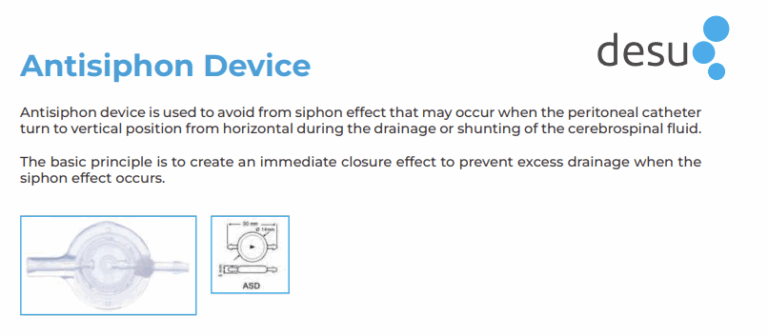
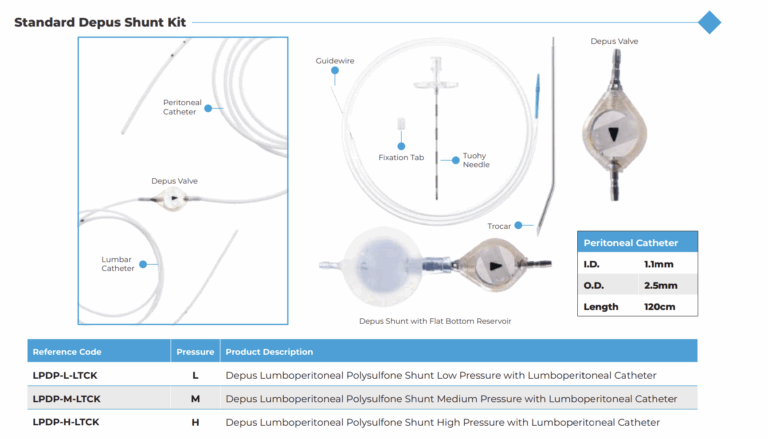
Kalıcı sisteme geçerken konfigürasyon yeniden değerlendirilir: Depus VP şant kitleri sabit veya ayarlanabilir valfle, standart veya antibiyotik emdirilmiş kateterle sunulur; aşırı drenaj kaygısı olan olgularda bir antisifon cihazı değerlendirilebilir. Enfeksiyon öyküsü olan olguda emdirilmiş konfigürasyon ayrıca değerlendirilir.
Bir DESU ürün uzmanıyla görüşün
Nöroşirürji ekipleri, hastane satın alma birimleri ve distribütörler; Depus, Defit ve Decurve şant seçeneklerini, EVD sistemlerini ve pazarlarına yönelik dokümantasyonu DESU ürün uzmanlarıyla görüşebilir. sales@desu.tr adresine yazabilir, iletişim sayfasını kullanabilir ya da teklif isteyebilirsiniz.
Bu konuda uzmanımızla görüşün
Ürün seçimi, teknik özellikler, numune talebi veya distribütörlük başvurusu için ekibimize doğrudan ulaşabilirsiniz.
İlgili yazılar
- DESU’dan HaberlerHidrosefali Cerrahisinde Sistem Seçimi: Sabit mi, Ayarlanabilir mi?
- Distribütörler içinCSF Overdrainage and Underdrainage: What the EVD Setup Controls
- DESU’dan HaberlerStratejik Tedarik Ortağı: Medikal Distribütörler İçin Güvenilir Bir Üretici
- DESU’dan HaberlerLumboperitoneal Şant Kiti: Bileşenler ve Yerleştirme Seti
Yorumlar
Henüz yorum yok. İlk yorumu siz yazın.