
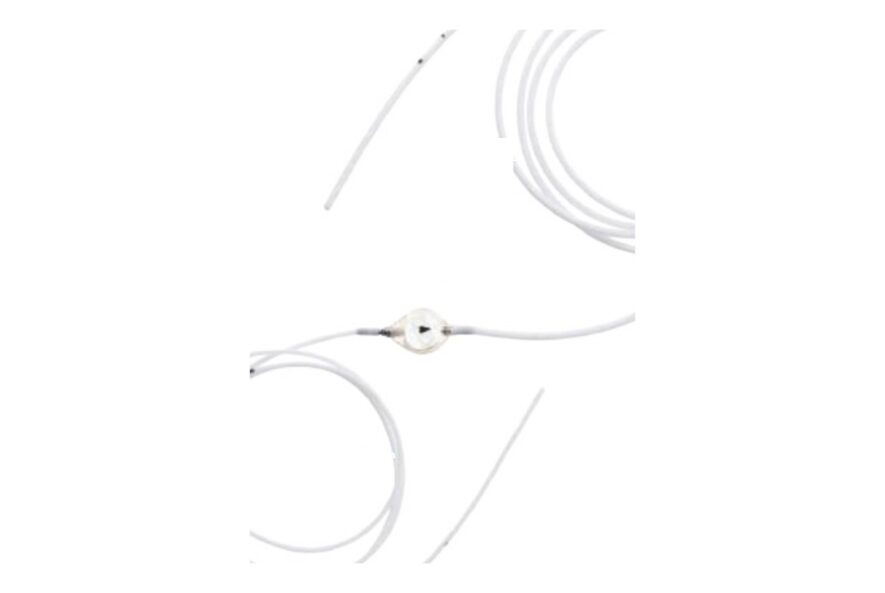
Lumboperitoneal (LP) Shunt: Hydrodynamic Mechanics and Clinical Indications
In neurosurgery, hydrocephalus and pseudotumor cerebri (PTC) treatment, although cranial may be needed for the management of the two, some diseases favor a more benign approach. Lumboperitoneal (LP) Shunt is an advanced drainage system which lowers intracranial pressure (ICP) without touching the skull, but can be managed through the spinal canal. LP shunt kits, developed by medical firms as Desu capable of bypassing, enable cerebrospinal fluid (CSF) to be withdrawn from the lumbar subarachnoid space and into the peritoneal cavity (abdominal compartment).
By this method, doctors are able to take control, especially where cranial surgery is both risky and the patient’s appearance is most important. However, LP shunting isn’t just putting a pipe down. It involves dealing with hydrodynamic changes in your spine under extreme pressure from gravity.
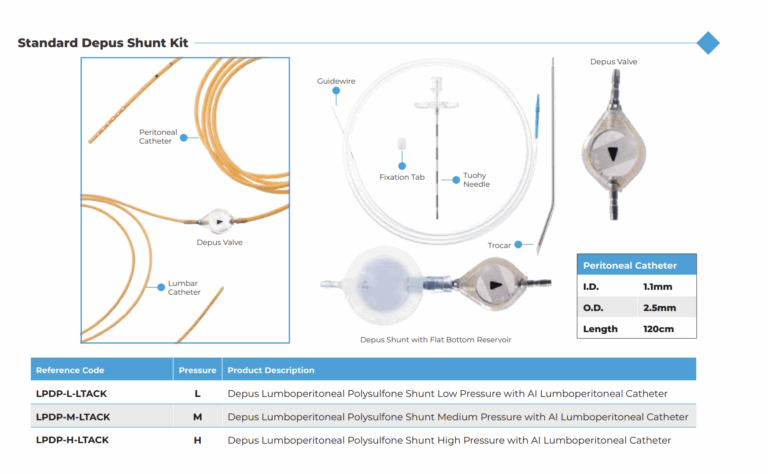
What is a Lumboperitoneal (LP) Shunt and How Does it Work?
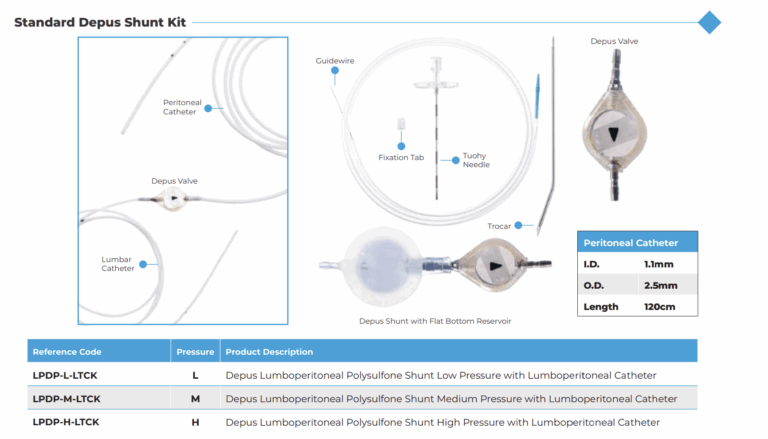
Based on the physical principles of pressure gradient, the operation method of the system is based on the pressure difference between the spinal theca and the abdominal cavity. Lumbar Catheters: A thin, silicone tube that is placed into the subarachnoid space usually in the L3-L4 or L4-L5 by the application of mechanical means such as a spinal needle.
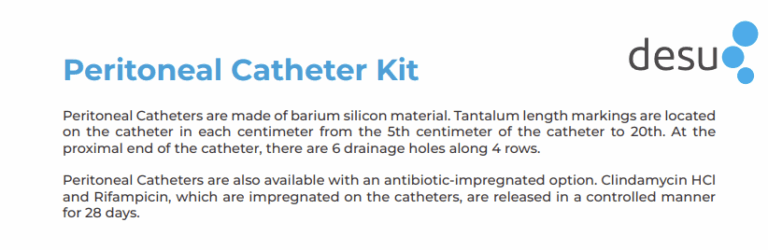
The radio-opaque (see X-ray) shape and plush silicone finish of this kind of catheter ensure safe installation, which does not harm the roots of the brain’s nerves (cauda equina). Valve mechanism: This is the brain of the system. It limits CSF flow and prevents overflow. Desu has developed valves for LP shunts so that the valves are calibrated to respond to the effect of gravity if the patient is standing or lying down. Peritoneal Catheter: This end piece is tunneled under the skin (and often via the flank region) and extends into the abdominal cavity to absorb fluid.
This system initiates when the CSF pressure of the lumbar region reaches the opening threshold of the valve. Fluid is transferred between the spinal cord and the abdomen. This is predicated on the notion that communication between the brain ventricles and the spinal canal remains open.
LP Shunt vs. VP Shunt: Key Differences and Indications
Despite their common function (CSF draining), the indications and surgical places are totally different for both systems. The distinction between LP Shunt vs VP Shunt: Key Differences and Indications (a distinction which governs the surgical decision.) Ventriculoperitoneal (VP) Shunt: A chamber is drilled into the skull to directly enter the brain ventricle, called the burr hole.
Main Indication: Obstructive Hydrocephalus. That is, if the ventricles and spinal cord pathway is blocked then it has to drain from brain (the source).
Lumboperitoneal (LP) Shunt Entry Site: Lumbar region (lumbar spine). There is no cranial action, making brain parenchymal damage or intracranial hemorrhage almost impossible.
Indications: Communicating Hydrocephalus and Idiopathic Intracranial Hypertension (IIH).
Critical Difference: A shunt in an LP is never placed in the presence of an obstruction at the ventricular outlet (like tumor) in the patient. This occurs because moving fluid away from the lumbar area may cause the pressure above it to abruptly drop, as the brain is forced to herniate downward (tonsillar herniation), with subsequent death. Desu LP shunt systems provide a significantly less invasive and cosmetically viable treatment than VP shunts, which is particularly valuable in young, obese female patients with pseudotumor verebri patients with vision loss in whom they present an increased risk.
Patient Selection Criteria for Lumboperitoneal Shunting
Selecting the patient is the key to LP shunt success. An LP shunt performed in the wrong patient can trigger catastrophic outcomes. The Patient Selection Criteria for Lumboperitoneal Shunting protocol includes the following filters.
Confirmation of Communication: Radiological imaging (MRI) must confirm that the ventricular system is open and that CSF flows freely into the spinal canal.
Lumbar Puncture (LP) Response: Preoperatively, a trial lumbar fluid withdrawal (Tap Test) is performed. If the patient’s headache, gait disturbance, or visual complaints resolve after fluid withdrawal, this patient is an ideal candidate who will benefit from the Desu LP shunt system.
Spinal Anatomy: The patient cannot have severe scoliosis, previous lumbar surgery, or spinal stenosis (narrowing of the canal). As a result of these conditions, catheter placement may be impossible.
Absence of Chiari malformation: LP shunts are contraindicated or prohibited in Chiari (cerebellar herniation) patients, since suction from below worsens these hernial phenomena.
How to Manage LP Shunt Complications
Minimally invasive doesn’t make it complication-free. During the LP Shunt Complications process a special area of emphasis lies on over-drainage and mechanical woes.
Over-drainage and ‘Acquired Chiari’: When the patient stands up, the long column of fluid in the spinal cord exerts extra pressure on the valve due to gravity. This can cause the fluid to drain too fast. The consequence is severe headache (low pressure headache) and, over time, downward displacement of the cerebellar tonsils (Acquired Chiari).
Management: Desu’s technologies of horizontal-vertical valves or high-pressure valve options for LP shunts reduce this risk. The valve would be replaced with a higher pressure model if symptoms persist.
Radiculopathy (Nerve Root Pain): The patient has pain caused by electrical shocklike pain in the leg if the lumbar catheter touches a nerve root in the spinal canal. Management: CT scans are performed to locate the spot of the catheter. The tip of the catheter, if required, is surgically corrected.
Desu catheters are soft in material to reduce this irritation.
Migration: This is when the catheter moves away from the spinal canal or becomes knotted in the peritoneal cavity.
Management: Special suture wings and fixation devices found in Desu shunt kits help ensure that the catheter sticks tightly to the subcutaneous tissue. But to back this up if anything is not correct, a direct X-ray is carried out to identify every break or slippage on the whole line.
If performed appropriately directed, lumboperitoneal shunting is a graceful solution, alleviating the stress of the patient of brain surgery. The quality of biomaterials offered by Desu along with its valve sensitivity of which the manufacturer was responsible provides a surgeon´s most stable alternative to treatment for such complicated spinal hydrodynamics.
If you would like to receive detailed information about DESU Medical products or explore distributorship and partnership opportunities, please do not hesitate to contact us. Our team will be happy to support you with product specifications, certifications, pricing structures, and collaboration models tailored to your market and needs.
For sales inquiries, product catalogs, and distributorship requests, you may reach us directly at [email protected]
We look forward to building long-term, value-driven partnerships and supporting healthcare professionals with reliable, high-quality medical solutions.
