
What Factors Influence the Success Rate of Dural Grafts in Neurosurgery?
Dural graft procedures play a vital role in dural graft surgery, particularly in the field of neurosurgery where protecting the brain and spinal cord is paramount. Surgeons rely on various dural graft materials to repair or replace damaged dura mater, aiming to restore its integrity and function. The outcome of these surgeries, however, depends on numerous factors ranging from patient health and surgical technique to the careful selection of materials. Every step, from preoperative planning to postoperative care, may influence the graft success rate.
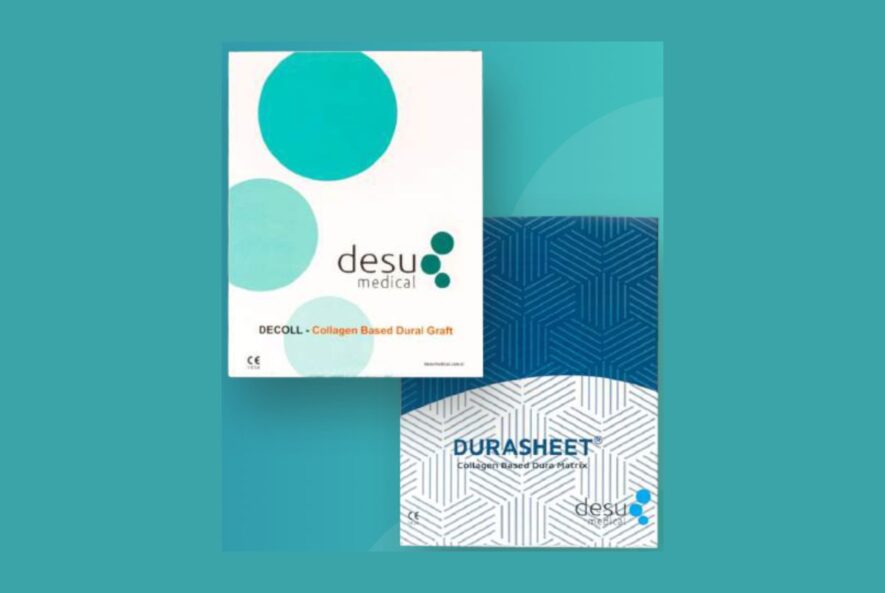
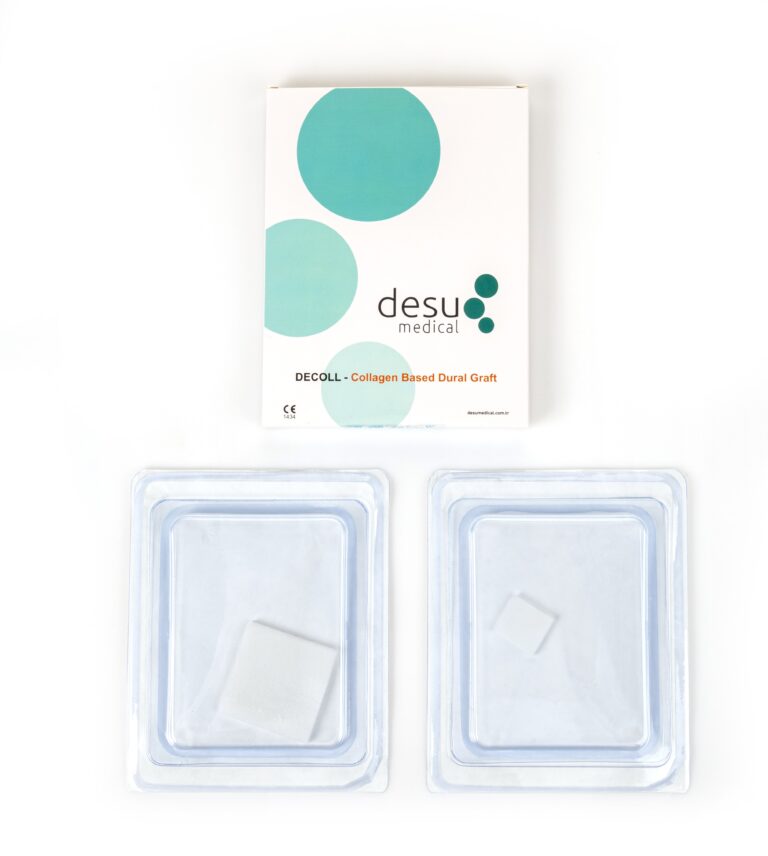
Additionally, addressing potential graft complications early on can greatly improve overall results. Understanding these determinants helps medical professionals, patients, and caregivers make informed choices for optimal healing. Companies like desu medical provide an array of options, including the Desu array, designed for specific clinical needs. It is therefore essential to examine what truly drives success in these complex interventions.
Key Points
- Patient health, choice of dural graft materials, surgical expertise, and the effective management of possible graft complications are all major influences on the graft success rate.
Understanding Dural Graft Materials: Autologous, Allograft, and Synthetic Options
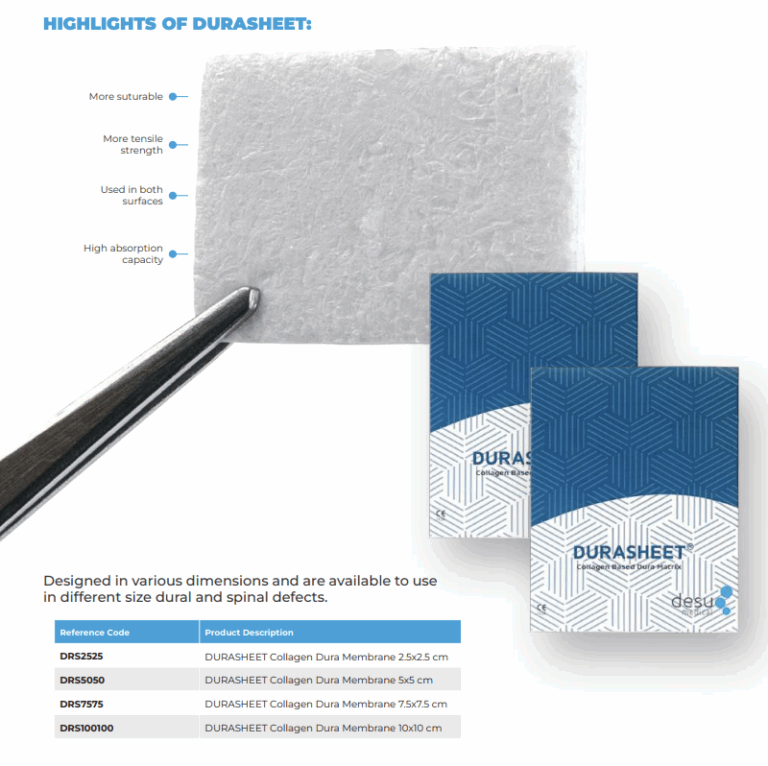
When considering dural graft surgery, selecting the ideal graft materials often proves more complex than it may first appear. Surgeons typically choose between three main categories:
- Autologous: tissue sourced from the patient’s own body, offering excellent compatibility.
- Allograft: donor tissue, often carefully processed to minimize risks.
- Synthetic: man-made options, usually created to mimic natural durability and flexibility.
Each option brings unique advantages and drawbacks. For instance, autologous materials usually show lower rates of rejection, but may involve longer surgery times. Synthetic grafts are readily available, yet some question if they match the natural healing seen with biological tissues. Notably, the risk of graft complications—such as infection or leakage—tends to differ among materials, potentially influencing dural graft success rate outcomes. Still, individual patient factors heavily impact overall graft success rate and graft success rate after surgery.
Patient-Specific Factors Impacting Dural Graft Success in Neurosurgery
The long-term outcomes of dural repair in neurosurgery depend on various patient-specific factors. Age, health status, and underlying conditions can all influence the dural graft success rate significantly. For instance, individuals with diabetes or immune disorders may experience delayed tissue healing, which sometimes affects graft integration and ultimately, the graft success rate. Smoking history and previous surgeries in the same region might also contribute to surgical complexity, possibly lowering the graft success rate.
Additionally, certain allergies or reactions to graft materials occasionally become relevant, although these are rare. Surgeons often weigh these variables before recommending desu medical products for repair, especially where optimal results are crucial. However, in my opinion, precise patient assessment remains essential, since not all influencing factors are easily measurable or predictable. Accordingly, a custom-tailored approach—guided by current evidence—best supports each individual’s recovery and graft outcome.
The Role of Surgical Technique in Dural Graft Outcomes
Surgical technique plays a vital role in determining dural graft success rate. The skill and precision of the surgeon often influence how well a graft integrates and how the tissue responds after surgery. Even though some believe a standard approach guarantees optimal outcomes, subtle differences in technique—like the method of fixation or handling of delicate tissues—can impact healing. Meticulous handling generally reduces complications, but graft success rate may still vary due to patient factors or unforeseen intraoperative challenges.
The choice of suturing material, tension applied, and the surgeon’s experience all matter. Interestingly, while protocols guide most procedures, slight modifications sometimes offer surprising benefits or, unfortunately, unexpected drawbacks. Therefore, awareness of emerging techniques and ongoing refinement of existing methods contribute significantly to improving graft success rate. Ultimately, individualized strategies, rather than a rigid formula, seem to offer the most consistent path toward positive outcomes in these delicate procedures.
Importance of Intraoperative Hemostasis for Dural Graft Integration
Achieving effective intraoperative hemostasis plays a pivotal role in the integration of a dural graft. During surgery, any excess bleeding may compromise the operative field, making it challenging to position the graft precisely. Even small blood pools can impede tissue adhesion or cause localized pressure, which might detract from the overall graft success rate.
Therefore, careful control of bleeding fosters a more favorable environment for cellular ingrowth and seamless healing. Without stable hemostasis, the risk of graft shifting, infection, or persistent cerebrospinal fluid leak may be slightly heightened, although not every instance leads to clear complications.
- Maintaining a dry field: allows better visualization and accurate graft placement.
- Reducing infection risk: minimized bleeding means fewer opportunities for microbial contamination.
- Enhancing graft uptake: cleaner beds improve graft success rate.
Additionally, surgeons often debate whether absolute hemostasis is needed, but, in my opinion, striving for near-total control best supports reliable dural graft success rate.
Influence of Postoperative Care and Infection Control on Graft Viability
Postoperative care plays a pivotal role in the dural graft success rate, but precisely how much influence it has can sometimes be hard to pin down. Dedicated monitoring and early detection of complications are helpful in preserving graft integrity. For example, subtle signs of infection may not be obvious at first, but even a slight setback can have a lasting impact on the dural graft success rate. Infection control, therefore, sits at the heart of optimizing outcomes; regular wound assessments, sterile dressing changes, and timely antibiotic use are all considered fundamental.
Nevertheless, factors like a patient’s individual healing ability or unforeseen challenges during recovery may occasionally blur the picture. Despite this, consistent, comprehensive postoperative care generally leads to improved dural graft success rate. In practice, the combination of vigilant care and stringent infection protocols creates a protective environment, fostering strong graft viability for most patients.
Dural Graft Thickness and Porosity: Effects on Healing and Complications
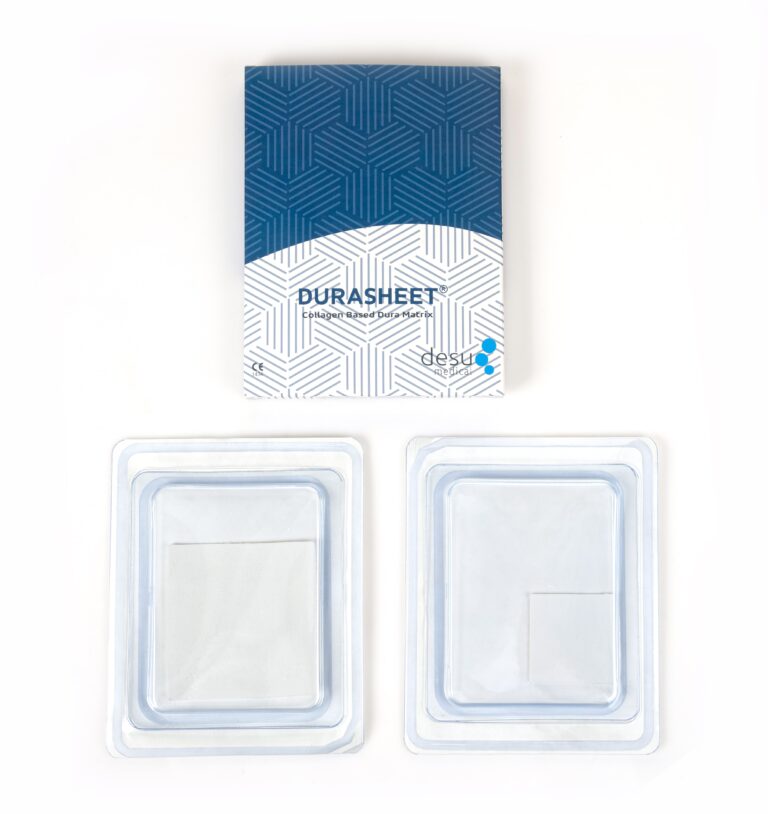
The thickness and porosity of a dural graft play pivotal roles in the healing journey and risk of complications. Generally, a thicker graft may offer robust mechanical protection, but it could slow tissue integration, possibly leading to a lower dural graft success rate in certain contexts. A thinner graft, meanwhile, seems to integrate quickly, yet might not adequately prevent cerebrospinal fluid leakage. Porosity also influences outcomes; highly porous grafts encourage cellular ingrowth and rapid healing, but may be more prone to infection or fluid seepage.
| Feature | Potential Impact |
|---|---|
| Greater Thickness | Better protection, possibly slower integration |
| Higher Porosity | Enhanced healing, increased infection risk |
“The right balance between thickness and porosity is key to maximizing the dural graft success rate while minimizing postoperative complications.”
Ultimately, the relationship between these characteristics and the dural graft success rate remains a subtle interplay that may differ from patient to patient.
Comparing Short-Term and Long-Term Outcomes of Different Graft Types
When evaluating the options for grafting, the differences in short-term and long-term outcomes can be subtle yet significant. Surgeons often consider factors such as compatibility, healing time, and the dural graft success rate. In the short term, synthetic and autologous grafts might show similar healing rates, although synthetic varieties sometimes exhibit quicker integration. Long-term results, however, may depend heavily on the chosen material. For instance, autologous grafts, despite their longer recovery, tend to show stable performance years after the procedure.
- Immediate recovery: typically influenced by graft material.
- Long-term stability: sometimes harder to predict from early results.
- Complication rates: affect overall dural graft success rate.
Nevertheless, it’s not always straightforward—certain patient factors can shift expected outcomes. Therefore, both the choice of material and individual medical history play a critical role in predicting overall dural graft success rate.
Advances in Biomaterials for Enhanced Dural Graft Success Rates
Recent years have seen promising progress in the development of innovative biomaterials aimed at improving dural graft success rate outcomes. Researchers now blend synthetic and natural polymers to produce grafts that better mimic the elasticity and permeability of native dura, which is thought to influence postoperative healing. These materials can encourage cellular integration, and some even support gradual tissue regeneration.
Nevertheless, the exact impact on dural graft success rate can sometimes vary depending on individual patient factors and surgical techniques. Moments of uncertainty still exist, especially regarding long-term durability and cost-effectiveness. However, surgeons increasingly report fewer complications like leakage or inflammation, which suggests the latest biomaterials may offer notable benefits. As research continues, the search for the optimal approach to boost dural graft success rate is ongoing, highlighting the importance of collaboration between material scientists, clinicians, and clinical trials. Progress is steady, if sometimes slightly unpredictable.
Management of Cerebrospinal Fluid Leakage After Dural Grafting
Management of cerebrospinal fluid leakage after dural grafting presents unique challenges. Clinicians often look for early signs, such as persistent drainage or neurological changes, because rapid intervention can influence the dural graft success rate. Methods to manage leaks vary; some cases may respond well to conservative measures, including bed rest and head elevation, especially in less severe instances. Nevertheless, persistent leaks may signal a complication, necessitating surgical revision to secure the graft site.
The effectiveness of such interventions, and therefore the dural graft success rate, can differ among patients, possibly due to individual healing patterns. It’s crucial to monitor for infection, as this can further impact outcomes. In my opinion, multidisciplinary approaches generally lead to higher dural graft success rate. Nevertheless, outcomes may not always be predictable, because every procedure and patient brings its own variability.
Future Directions: Personalized Approaches to Grafting in Neurosurgery
Personalized medicine continues to transform neurosurgery, especially with innovative approaches to dural graft success rate. Researchers believe that tailoring graft materials to a patient’s unique biology could improve both safety and efficacy. For example, surgeons may soon select from advanced options that factor in a patient’s age, immune profile, or even genetic predispositions. This level of customization could directly impact the dural graft success rate in complex cases, yet some uncertainty remains about its immediate practicality for everyday procedures.
Additionally, future protocols might involve rapid on-site assessments, enabling real-time graft adjustments as surgery unfolds. Some possible directions include:
- Material selection: Allows for grafts that better match the patient’s tissue.
- Adaptive monitoring: Tracks healing to respond early to complications.
- Predictive modeling: Uses patient data to estimate dural graft success rate prior to surgery.
Nevertheless, while personalized strategies are promising, widespread adoption will depend on further validation and accessibility.
Conclusion
In conclusion, understanding the factors that influence the dural graft success rate remains crucial for achieving better patient outcomes. Each choice made during surgical planning, from graft material to technique, plays a role in shaping these results. Nevertheless, ongoing research and collective clinical experience continue to drive improvements in this field. By staying informed about advancements and learning from shared experiences, surgeons can optimise the chances for successful healing and long-term success.
Frequently Asked Questions
What is a dural graft?
A dural graft is a surgical procedure in which a patch or substitute material is used to repair or replace a damaged section of the dura mater, the outer membrane covering the brain and spinal cord.
What is the typical success rate of dural surgeries?
Outcomes depend on the technique, the material used and the patient’s individual condition.
What factors influence the success rate of a graft?
Factors include the patient’s general health, the underlying cause of the dural defect, surgical technique, choice of graft material, and post-operative care.
What materials are used for grafts?
Common materials include autografts (patient’s own tissue), allografts (donor tissue), xenografts (animal tissue), and synthetic materials such as collagen matrices or polymer-based products.
What are the most common complications after a graft?
The most common complications include cerebrospinal fluid (CSF) leaks, infection, graft rejection, and inflammation at the graft site.
How is the success of a graft monitored?
Doctors monitor for signs of infection, CSF leaks, neurological status, and use imaging studies if necessary to assess the integrity of the graft.
How long does it take to recover from a graft procedure?
Recovery times vary, but patients generally begin to recover within a few weeks, with full healing potentially taking several months depending on the complexity of the surgery.
Are there alternatives to graft surgery?
Minor defects may sometimes be managed with sealants or conservative treatment, but significant defects typically require grafting for optimal recovery.
Can a graft procedure fail?
While success rates are high, graft failure can occur due to infection, persistent CSF leakage, or material incompatibility. Early detection and management are important.
Is a graft a permanent solution?
In most cases, a successful graft provides a long-lasting repair. However, follow-up is necessary to monitor for possible late complications or graft degradation.
For more information, visit Desu.
If you would like to receive detailed information about DESU Medical products or explore distributorship and partnership opportunities, please do not hesitate to contact us. Our team will be happy to support you with product specifications, certifications, pricing structures, and collaboration models tailored to your market and needs.
For sales inquiries, product catalogs, and distributorship requests, you may reach us directly at [email protected]
We look forward to building long-term, value-driven partnerships and supporting healthcare professionals with reliable, high-quality medical solutions.
