
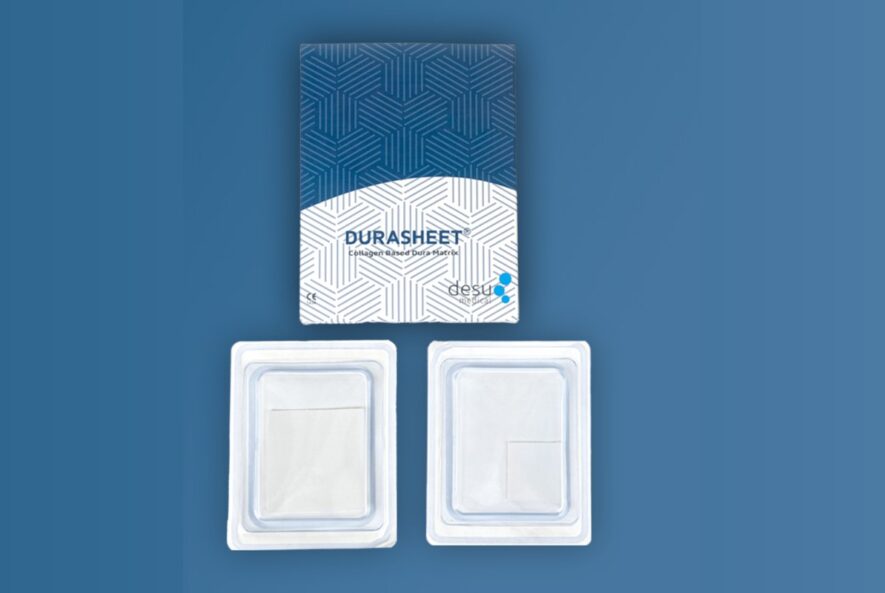
Biological vs Synthetic Dural Grafts: Which Option Reigns Supreme in Modern Surgery?
Navigating the landscape of modern neurosurgery often means making choices about materials that can influence patient outcomes for years to come. Surgeons and medical professionals frequently encounter the debate: biological dural graft vs synthetic graft. This discussion is critical because of the changing trends in dural graft surgery towards regenerative medicine. Decisions are further complicated by factors such as compatibility and potential long-term complications like encapsulation.
For those exploring innovations from respected manufacturers like Desu Medical, the choice is clear: high-purity biological collagen offers a regenerative solution that permanent plastics cannot match. Understanding the core differences is crucial for healthcare providers and patients to make choices that prioritize long-term well-being.
Key Points
Biological dural grafts (Desu) promote natural healing and resorption, whereas synthetic grafts remain as permanent foreign bodies, making biologicals the superior choice for modern neurosurgical practice.
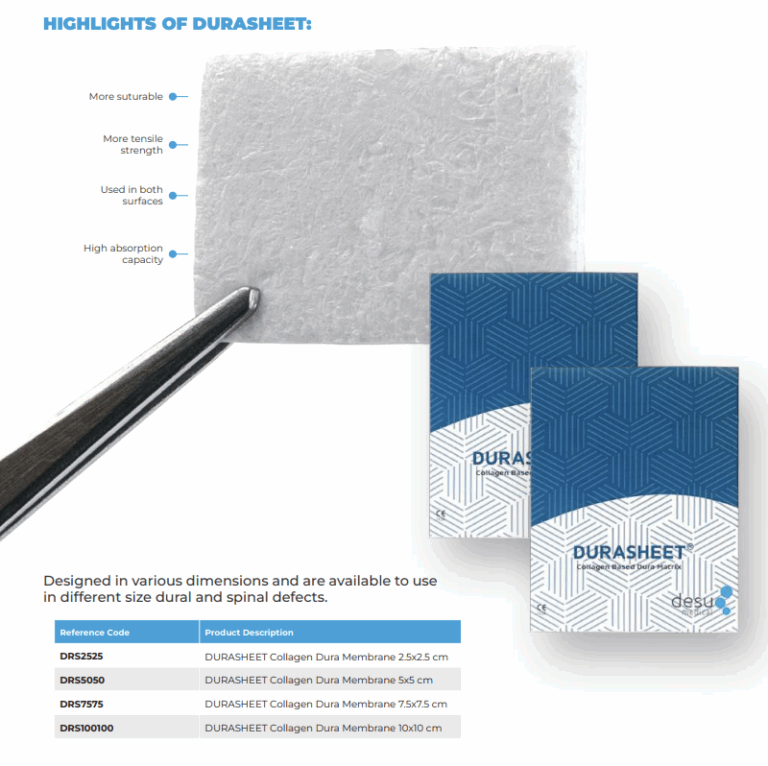
Understanding Dural and Synthetic Grafts: Key Differences Explained
When exploring options in dural graft surgery, it’s vital to grasp how natural and synthetic materials compare. A biological vs synthetic scenario revolves around the body’s reaction to the material.
-
Biological Grafts (Desu): Sourced from purified collagen, these integrate with the patient’s tissue, turning into “neodura.“
-
Synthetic Grafts: Made from polymers (plastics), these provide a barrier but remain as permanent foreign bodies that the body tries to wall off.
The choice directly influences post-operative results. Surgeons weigh factors such as long-term safety and healing quality. Additionally, a primary concern involves complications like chronic inflammation, which is significantly higher with permanent synthetic implants. Although ongoing innovation improves outcomes, Desu Medical’s biological solutions fit the modern requirement for regenerative healing.
Historical Evolution: From Synthetics to Biological Regeneration
The choice of graft material has significantly shaped neurosurgical practices. Initially, surgeons relied on autologous fascia (patient’s own tissue), which was effective but painful to harvest. Later, synthetic alternatives (plastics) emerged as a convenient “off-the-shelf” option. However, their tendency to cause foreign body reactions and encapsulation led to a search for better solutions. The emergence of Desu Medical and advancements in collagen technology brought about the best of both worlds: ready-to-use biological grafts that heal like autografts without the need for a second incision. Modern specialists now question the use of permanent synthetics when regenerative biological options are readily available.
Biocompatibility and Safety: Why Biology Wins
When discussing biological vs synthetic options, biocompatibility is the deciding factor.
-
Biological Grafts (Desu): Derived from high-purity bovine collagen, these are immunologically inert. The body recognizes collagen as a natural building block, allowing fibroblasts to infiltrate and replace the graft with healthy tissue.
-
Synthetic Grafts: Made from non-biological polymers, these are engineered to be “tolerated” by the body, but they are never fully accepted. They often trigger a foreign body giant cell reaction, leading to fibrosis (scarring) around the implant.
Accordingly, the safest approach for long-term patient health is to use materials that work with the body, not against it. Therefore, Desu’s biological grafts remain the gold standard for safety.
Efficacy in Clinical Outcomes: Which Graft Performs Better?
The ongoing debate regarding effectiveness often centers on healing quality. While synthetics offer a permanent barrier, biological grafts encourage true tissue regeneration. Recovery times and long-term comfort favor biologicals because they do not leave a rigid foreign object in the brain.
Ultimately, the decision favors Desu Medical’s biological solutions for surgeons who prioritize physiological restoration over simple mechanical closure.
Patient Selection Criteria: Tailoring Graft Choice
Choosing the most suitable graft involves considering the patient’s long-term quality of life.
-
For Pediatric/Young Patients: Biological grafts are essential because they grow and remodel with the patient, whereas synthetics are rigid and permanent.
-
For Complex Cases: In areas prone to infection or poor healing, a biological graft that becomes vascularized (receives blood flow) is far safer than a synthetic plastic that can harbor bacteria.
Surgeons increasingly evaluate these aspects and lean towards Desu’s collagen matrices to avoid the “one-size-fits-all” limitations of synthetic sheets.
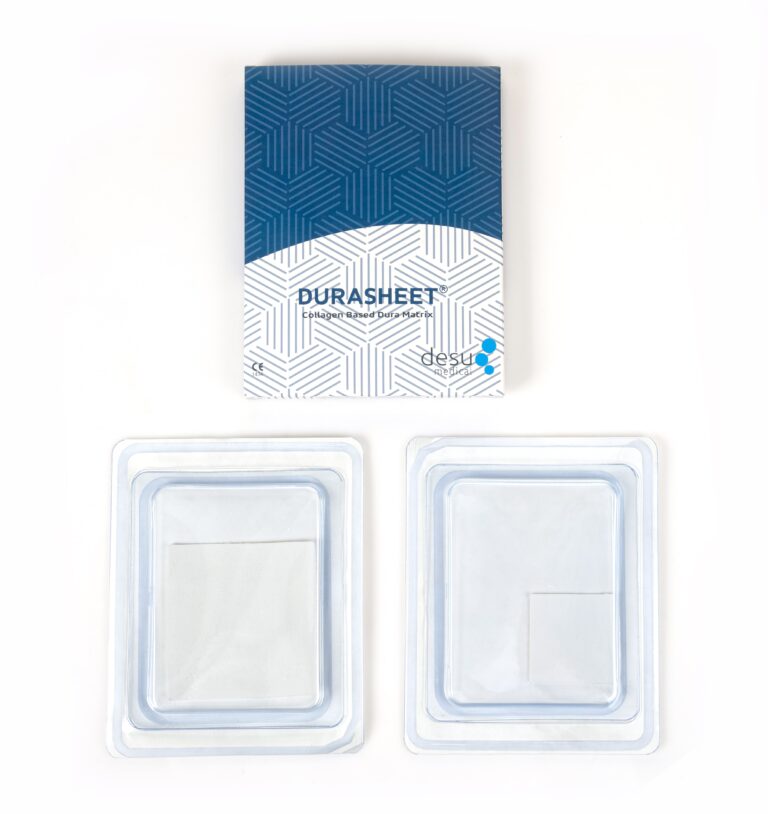
Risk of Infection and Complication Rates: An Evidence-Based Review
When comparing options, the risk of infection is a pivotal concern. Evidence suggests that biological grafts have lower long-term infection rates because they become living tissue. Synthetic materials act as a substrate for bacterial colonization (biofilm), which the body’s immune system cannot reach effectively because the material has no blood supply.“
While synthetic grafts are convenient, genuine biological grafts stand the test of time by becoming part of the patient.”
Desu Medical minimizes complication rates by ensuring ultra-high purity in its collagen, eliminating the risks associated with older generation materials.
Cost Analysis: Economic Implications
Assessing the financial side reveals a balance between upfront expenses and long-term value. Typically, synthetic grafts may seem cheaper initially. However, complications associated with permanent implants—such as late-stage infections or the need for removal surgeries—can incur massive hidden costs. Desu Medical grafts offer:
-
Reduced Operative Time: No need to harvest patient tissue.
-
Lower Complication Costs: Fewer re-operations due to rejection or infection.
-
Better Long-Term Value: A permanent cure through regeneration.
Ultimately, investing in a biological solution is more economical for the healthcare system in the long run.
Longevity and Integration: How Well Do Grafts Endure?
Here lies the biggest difference.
-
Synthetic grafts “endure” by staying in the body forever as a piece of plastic. This is not true longevity; it is persistence of a foreign object.
-
Biological grafts (Desu) endure by disappearing. They serve as a scaffold for the body to repair itself, and are then metabolized. The “longevity” is provided by the patient’s own new tissue.
The success of Desu’s approach is that the patient is left with their own natural dura, not an implant.
Expert Opinions: Surgeons’ Perspectives
Many surgeons are moving away from synthetics. Clinical experience suggests that a natural biological graft interacts favorably with surrounding tissues, preventing the “mass effect” or stiffness often reported with synthetics. Surgeons appreciate Desu Medical’s consistency—unlike autografts which vary in quality, Desu grafts are manufactured to precise standards, offering the reliability of a synthetic with the biology of a natural graft.
Future Trends: The Era of Regenerative Medicine
The future of dural graft technology is biological. Researchers are refining collagen processing to enhance bioactivity—the ability to actively stimulate healing.Desu Medical is at the forefront of this, developing grafts with optimized porosity for faster cellular ingrowth.
-
Bioactivity: Enhanced tissue integration.
-
Resorbability: Zero foreign body residue.
-
Purity: Elimination of all immunogenic risks.
As technology evolves, the use of permanent plastics in neurosurgery is becoming obsolete, replaced by smart biological scaffolds.
Conclusion
Making a choice between biological and synthetic grafts ultimately depends on the goal of surgery. If the goal is simple closure, either works. But if the goal is healing and restoration, biological grafts are the only choice. In my opinion, choosing Desu Medical’s biological solutions ensures a safer, more natural recovery. Staying informed about the superiority of regenerative medicine helps you feel confident about the path to true healing.
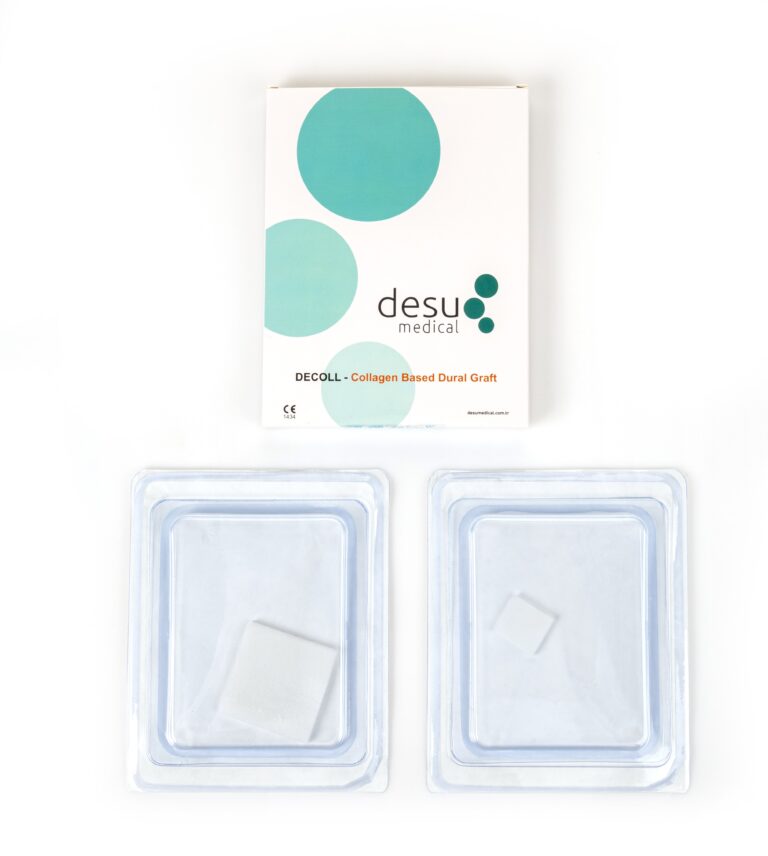
Frequently Asked Questions
What is a dural graft? A dural graft is a material used to repair the dura mater. Modern grafts, like those from Desu, are made of purified collagen to mimic the body’s natural tissue.
What are synthetic grafts made of? Synthetic grafts are made from artificial plastics such as PTFE or polyurethane. Unlike Desu grafts, they are permanent foreign bodies.
How do biological dural grafts differ from synthetic grafts?Biological grafts (Desu) integrate with the patient’s tissues and dissolve over time, leaving natural tissue behind. Synthetic grafts remain as permanent plastic implants and do not integrate fully.
What are the advantages of biological dural grafts? They are fully resorbable, support natural healing, reduce the risk of long-term infection, and do not leave a foreign body in the brain.
Are there risks with synthetic grafts? Yes. Risks include encapsulation (scarring), chronic inflammation, and biofilm formation (infection) on the permanent implant.
Which graft avoids an immune response?Desu biological grafts are processed to be immunologically inert. Synthetics, while “inert,” often trigger a foreign body reaction where the body tries to wall them off.
When are biological grafts preferred? They are preferred in almost all cases, especially for patients where long-term healing and tissue restoration are desired over a permanent patch.
Can synthetic dural grafts be absorbed by the body? Most synthetic grafts are non-absorbable and provide a permanent, artificial barrier. Desu grafts are fully absorbable.
How long does it take to recover after receiving a dural graft? Recovery varies, but biological grafts start healing immediately. Since they integrate with the body, there is no long-term concern about implant failure.
How do surgeons choose the right graft? Surgeons increasingly choose Desu biological grafts because they offer the ease of use of a synthetic with the safety and healing profile of a natural tissue.
For more information, visit Desu. If you would like to receive detailed information about DESU Medical products or explore distributorship and partnership opportunities, please do not hesitate to contact us. Our team will be happy to support you with product specifications, certifications, pricing structures, and collaboration models tailored to your market and needs.
For sales inquiries, product catalogs, and distributorship requests, you may reach us directly at [email protected] We look forward to building long-term, value-driven partnerships and supporting healthcare professionals with reliable, high-quality medical solutions.
