
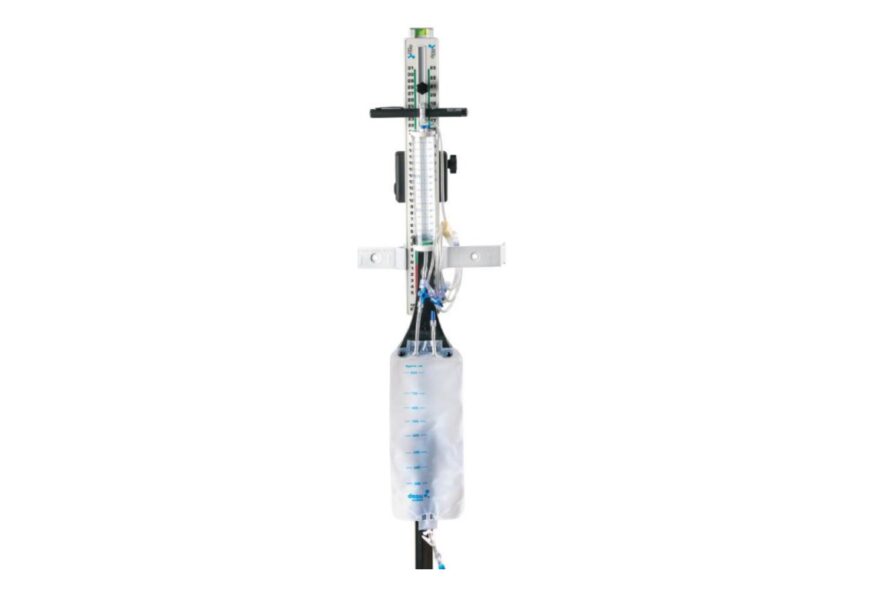
When it comes to managing certain critical neurological conditions, understanding the basics of an External Ventricular Drainage System overview becomes essential for both healthcare professionals and interested readers. This system primarily helps relieve elevated intracranial pressure by diverting cerebrospinal fluid, which is especially crucial after traumatic brain injuries or in cases of acute hydrocephalus.
Therefore, knowing the External Ventricular Drainage System benefits alongside the potential risks can empower caregivers and families to make informed decisions. Additionally, the External Ventricular Drainage System procedure involves careful placement and strict monitoring, ensuring patient safety throughout its use. Despite possible External Ventricular Drainage System complications, innovations like the desu medical’s evd array have enhanced reliability and outcomes, making external ventricular drainage a vital tool in neurosurgical care.
Key Points
- The overview covers what an External Ventricular Drainage System is, its major benefits, the essentials of the procedure, common complications, and advances like desu medical’s evd array.
Understanding the Fundamentals: What Is an External Ventricular Drainage System?
The External Ventricular Drainage System overview begins with a simple concept—removal of excess cerebrospinal fluid (CSF) from the brain’s ventricles. This medical device, often used in critical care and neurosurgery, allows precise control over CSF drainage. The main External Ventricular Drainage System benefits include reducing elevated intracranial pressure and providing access for crucial laboratory analysis.
Yet, placing the system isn’t without challenges. The External Ventricular Drainage System procedure involves inserting a catheter into the brain’s ventricular spaces, which sounds complex but is, in many practices, surprisingly routine. However, even experienced teams occasionally face ambiguities in placement or function. As with any invasive method, there are potential External Ventricular Drainage System complications that must be carefully monitored—such as infection or catheter blockage.
- Monitoring: continuous pressure readings and CSF output assist in immediate clinical decisions.
- Treatment: effective in managing acute hydrocephalus or trauma-related swelling.
- Sampling: easy CSF access aids rapid diagnosis.
The External Ventricular Drainage System overview underscores both its necessity and nuanced risks in neurocritical care.
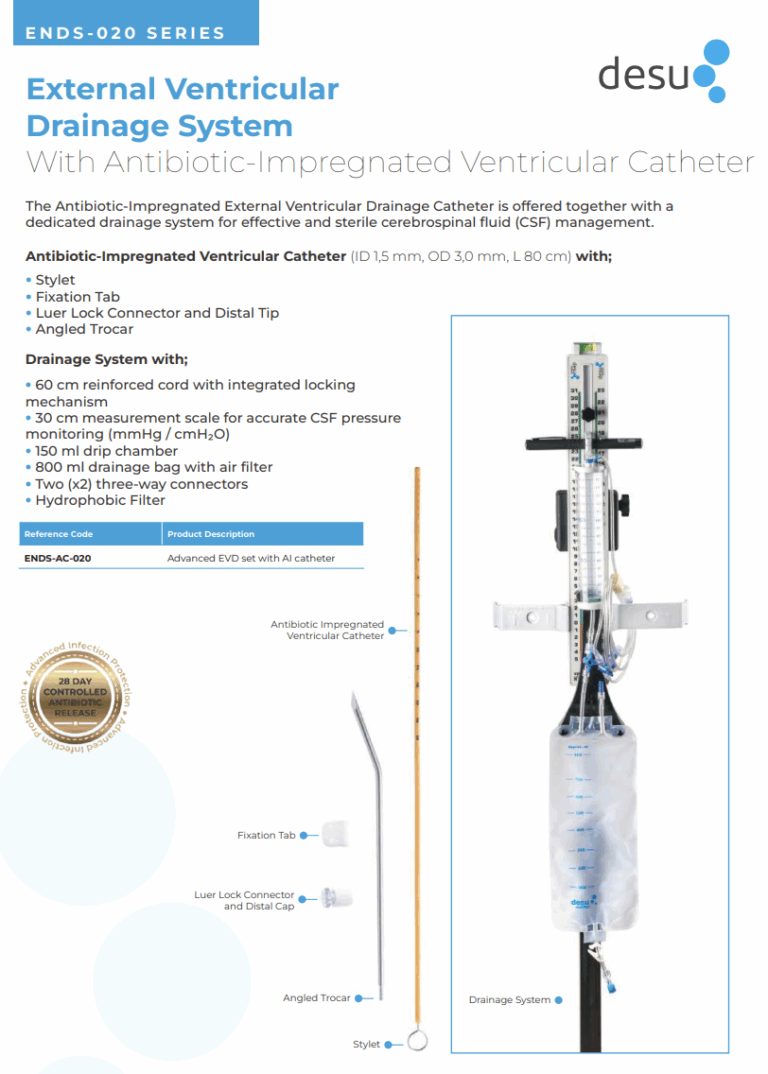
Key Components and Design Features of Modern EVD Systems
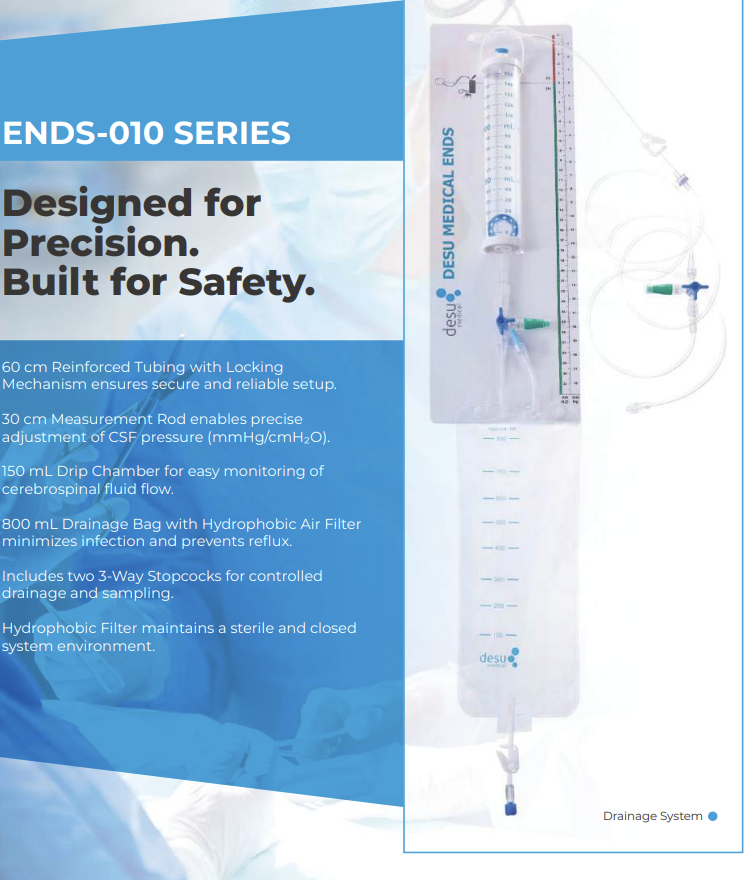
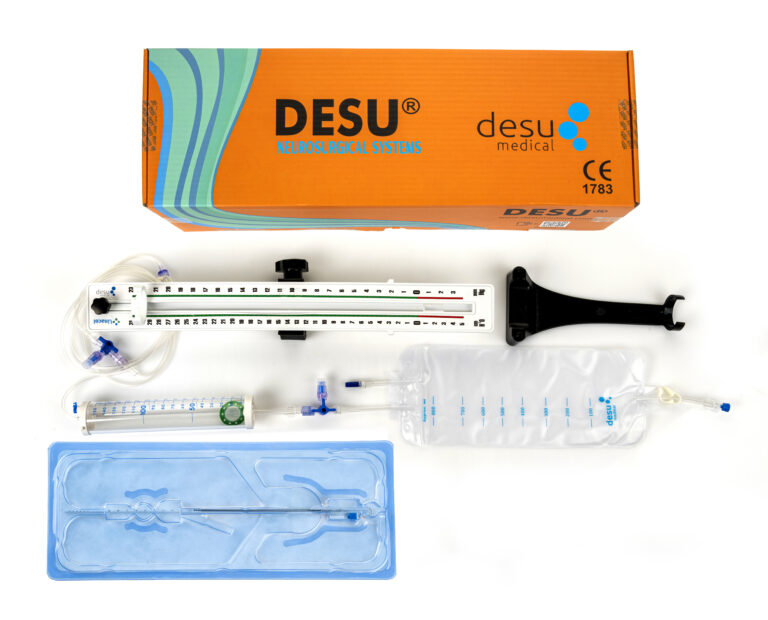
A External Ventricular Drainage System overview typically starts with a focus on precision and safety. At its core, the desu medical’s evd is designed for controlled cerebrospinal fluid (CSF) diversion. The system usually includes high-quality catheters, robust collection chambers, and pressure-regulating features. These elements work together to minimize infection risk and ensure reliable monitoring, although no system is entirely without its challenges.
The External Ventricular Drainage System overview suggests that adjustability of drainage height and clear, easy-to-read measurement guides are essential for clinical effectiveness. Additionally, secure connections help prevent leaks, whereas flexible mounting options allow adaptation in different care settings. Over time, improvements in material biocompatibility and ergonomic components have enhanced user experience. Still, according to a typical External Ventricular Drainage System overview, the right combination of accuracy, durability, and usability is what truly sets apart advanced systems like the desu medical’s evd.
Clinical Indications: When Is External Ventricular Drainage Necessary?
The decision to use an External Ventricular Drainage System overview isn’t always straightforward. Typically, doctors might consider it when pressure builds up inside the skull due to bleeding, infection, or severe head injury. Patients with conditions like hydrocephalus, where excess cerebrospinal fluid accumulates, often benefit from this intervention. However, there’s a bit of nuance; sometimes, monitoring alone could suffice, especially if symptoms are mild.
Yet, when signs of increased intracranial pressure appear—such as drowsiness, severe headache, or impaired consciousness—an External Ventricular Drainage System overview becomes more critical. Additionally, it serves a dual purpose: draining fluid and offering direct pressure monitoring, which is essential in unstable cases. In my opinion, the precise timing of inserting an External Ventricular Drainage System overview requires careful clinical judgment, balancing benefits against possible risks. Nevertheless, acting promptly can make a significant difference in patient outcomes.
Step-by-Step Guide to EVD Insertion and Placement Techniques
A clear understanding of the External Ventricular Drainage System overview is essential for safe and effective EVD insertion. Preparation is, therefore, fundamental. Although procedures may differ slightly depending on local practice or patient specifics, some key steps always apply. First, confirm the indication and gather all necessary sterile equipment. The External Ventricular Drainage System overview suggests the following sequence for most cases:
- Patient positioning: Place the head in a neutral midline position.
- Site selection: Typically, the Kocher’s point is chosen for optimal ventricular access.
- Skin preparation and draping: Ensure a sterile field to minimise infection risk.
- Burr hole creation: Carefully drill into the skull at the predetermined site.
- Catheter insertion: Gently advance the catheter towards the ventricle, using anatomical landmarks and, if necessary, image guidance.
As the External Ventricular Drainage System overview notes, precise placement is vital for function and safety. Nevertheless, the final settings often depend on subtle intraoperative cues and real-time decisions.
Essential Safety Protocols and Risk Management in EVD Procedures
Ensuring safety is vital during any procedure involving the External Ventricular Drainage System overview. Healthcare teams often rely on established protocols to minimise risks, although variations in practice might exist across different settings. Sterile technique forms the foundation of safe handling, especially during catheter insertion and maintenance. Regular inspection of connections and functionality is expected, yet some debate persists on the most effective frequency for these checks.
Staff training and ongoing competence assessments are equally important because human error can jeopardise even the most robust systems. Recognising and responding to early signs of infection or malfunction must be quick and systematic, as delays could worsen outcomes.
Nevertheless, balancing vigilance with efficiency often requires nuanced decision-making, especially under pressure. By prioritising evidence-based safety measures, clear procedural updates, and efficient communication, teams can support optimal outcomes for patients undergoing External Ventricular Drainage System overview interventions.
Common Complications and How to Mitigate Them in External Ventricular Drainage
Complications can arise at any stage when handling an External Ventricular Drainage system. The most frequently encountered issues include infection, blockage, and over- or under-drainage of cerebrospinal fluid. Infection risk increases with prolonged use, therefore maintaining strict aseptic technique remains crucial.
External Ventricular Drainage blockage, on the other hand, may result from blood clots or debris, yet frequent monitoring and prompt flushing can help alleviate this. Over-drainage might sometimes lead to subdural hematomas, although careful adjustment of the system’s height usually minimizes such events. As one seasoned nurse mentioned,
“Vigilant daily checks and quick response to changes make all the difference for patient safety.”
In my opinion, regular staff education plays a significant role in reducing risks associated with External Ventricular Drainage. Despite this, no External Ventricular Drainage System overview can guarantee zero complications, but awareness and early intervention often provide the best outcomes.
Best Practices for Monitoring and Maintaining EVD Systems
Caring for an External Ventricular Drainage System overview requires close, ongoing attention. Consistent monitoring is essential, because even minor issues can develop into complications if unnoticed. In my opinion, healthcare teams should prioritize the following best practices to promote patient safety:
- Frequent assessment: Regularly check the External Ventricular Drainage System overview for patency, drainage color, and volume.
- Strict aseptic technique: Every time you handle the device, follow rigorous infection prevention protocols. This cannot be overstated.
- Secure positioning: Verify that the External Ventricular Drainage System overview remains in the intended position, as even slight shifts may impact drainage effectiveness.
- Timely documentation: Record observations and interventions promptly. This improves communication and patient outcomes.
Still, experience shows that sometimes, even with these best practices, unpredictable factors may influence system performance. Therefore, keeping a vigilant mindset and collaborating within the care team is key to successful EVD management.
Innovations and Advances in External Ventricular Drainage Technology
Recent years have seen remarkable progress in the field of External Ventricular Drainage System overview technology. Modern systems now focus heavily on safety and precision, which is especially crucial in neurosurgical settings. One notable advance involves integrating digital pressure monitoring within the External Ventricular Drainage System overview, allowing real-time access to critical data and faster clinical intervention.
Some manufacturers explore antimicrobial materials to reduce infection risk, yet their long-term effectiveness remains somewhat uncertain. Additionally, quick-release stopcocks and better-tapered catheters promote easier maintenance—a small touch, but vital in practice. The External Ventricular Drainage System overview also benefits from more intuitive user interfaces, guiding clinical teams and minimising errors. Nevertheless, challenges persist regarding cost and device standardisation, but ongoing research promises further improvements.
Accordingly, these innovations collectively improve patient outcomes, even if the true magnitude of their benefit may vary between clinical settings.
Post-Procedure Care and Long-Term Outcomes for Patients with EVD
Post-procedure care is essential for patients following the placement of an External Ventricular Drainage System overview. Regular monitoring of neurological status, daily assessment of drain patency, and strict adherence to aseptic techniques are vital. Any subtle sign of infection or malfunction may require immediate attention, nevertheless, early detection often improves prognosis. Families and patients may sometimes feel uncertain about life after the procedure, especially regarding mobility and infection risk.
Although some individuals adapt quickly, others might experience challenges related to the External Ventricular Drainage System overview, such as dependency or adjustment difficulties. Over time, most patients achieve stable long-term outcomes, especially as teams work closely with them through follow-up appointments and support. Still, some long-term risks, including potential shunt dependency, remain. Understanding the External Ventricular Drainage System overview aids in setting expectations and making informed decisions alongside care providers, ultimately empowering individuals throughout their recovery journey.
Conclusion
In summary, understanding the External Ventricular Drainage System overview highlights its crucial role in managing neurological conditions. Despite its complexity, the system offers life-saving support for patients facing critical challenges. However, successful outcomes depend on proper use, regular monitoring, and a clear grasp of associated risks. Therefore, being well-informed about this technology empowers both medical professionals and caregivers to make more confident decisions.
Frequently Asked Questions
What is an External Ventricular Drainage (EVD) system?
An External Ventricular Drainage (EVD) system is a medical device used to relieve elevated intracranial pressure by draining cerebrospinal fluid (CSF) from the brain’s ventricles to an external collection system.
When is an EVD system typically used?
EVD systems are used in conditions such as hydrocephalus, traumatic brain injury, subarachnoid hemorrhage, and infections that cause increased intracranial pressure or impaired CSF circulation.
How is an EVD placed?
A neurosurgeon places an EVD by inserting a catheter into a ventricle of the brain through a small hole drilled into the skull, usually under sterile conditions and anesthesia.
Is the EVD procedure painful?
The procedure is done under local or general anesthesia, so patients usually do not feel pain during catheter insertion. However, there may be mild discomfort after the procedure.
How long can an EVD stay in place?
An EVD is typically intended for short-term use, ranging from a few days up to 2-3 weeks, depending on the patient’s condition and response to treatment.
What are the risks or complications associated with EVD?
Common risks include infection, bleeding, blockage of the drain, and accidental removal. Neurological injury is a rare but serious complication.
How is the amount of CSF drained controlled?
The drainage system can be adjusted by setting the height of the collection chamber relative to the patient’s head, thus controlling the pressure at which CSF is allowed to drain.
Can a patient move or walk with an EVD in place?
Movement is generally limited to prevent displacement or complications. Any movement should be supervised and the drainage system must be adjusted by healthcare professionals.
How is infection prevented with an EVD?
Strict sterile technique is used during insertion and care, and the insertion site and system are monitored regularly for signs of infection. Antibiotics may also be given if needed.
What happens after the EVD is removed?
After removal, the insertion site is closed and monitored for signs of infection or CSF leakage. The patient’s neurological status and hydrocephalus symptoms will continue to be observed.
