
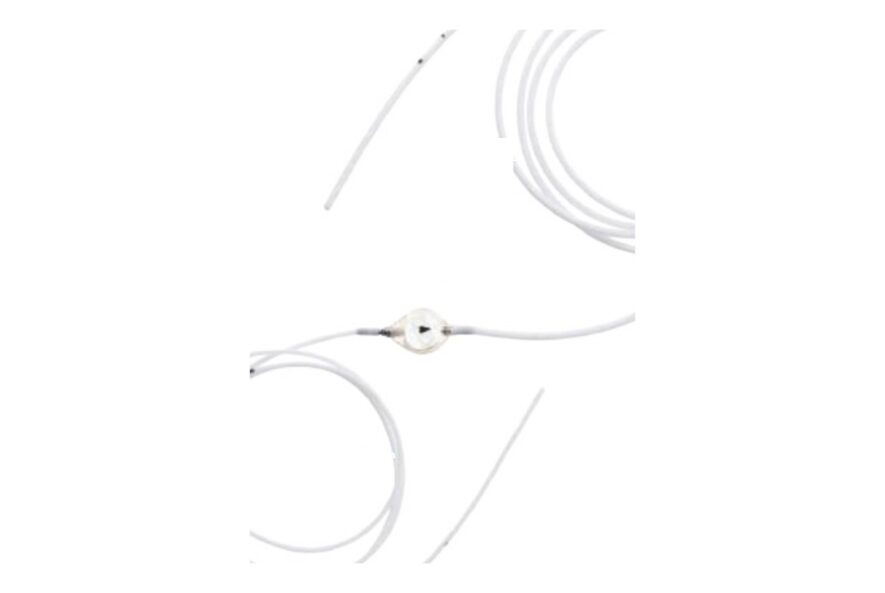
How Can a Lumboperitoneal Shunt Procedure Improve Neurological Health?
The management of neurological health often involves exploring various treatment options; however, understanding the potential benefits of surgical interventions can significantly enhance patient care. In my opinion, bedside and clinical observations highlight that the Lumboperitoneal shunt procedure is one such technique aimed at relieving abnormal fluid pressure around the brain and spinal cord. Therefore, this procedure is carefully considered by practitioners when addressing conditions related to cerebrospinal fluid accumulation, hence offering hope for symptom improvement.
Additionally, its minimally invasive nature makes it a preferred choice among other treatment methods, but meticulous monitoring is essential to ensure long-term benefits and safety for patients.
Key Points
- The procedure reduces abnormal cerebrospinal fluid accumulation, thereby lowering pressure on critical neural pathways.
- It serves as a minimally invasive alternative that enhances neurological symptoms and overall patient well-being.
- Ongoing medical evaluation is vital to maintain its effectiveness and ensure patient safety over time.
Related content:
Operative Bereitschaft in der Neurochirurgie: Lösungen für Sets zur Platzierung der externen Ventrikeldrainage
Der neue Standard in der Patientensicherheit: Einweg-EVD-Systeme und Überwachungstechnologien
Systèmes DVE Imprégnés d’Antibiotiques en Neurochirurgie
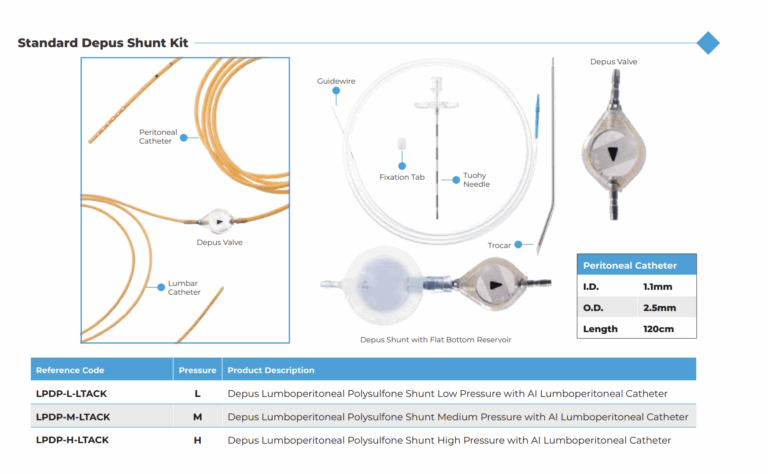
Understanding Lumboperitoneal Shunt Procedures: A Comprehensive Overview
Lumboperitoneal shunt procedures offer a promising approach in balancing cerebrospinal fluid pressures. In many cases, a Lumboperitoneal shunt procedure helps alleviate symptoms when conventional treatments seem less effective. This technique diverts excess fluid away from the brain or spine, therefore reducing pressure and potential complications. However, uncertainties persist regarding long-term outcomes and exact patient selection, which leaves room for expert debate. Only a precise diagnostic assessment can ensure optimal results, leading to improved recovery and fewer setbacks. The procedure typically involves:
- Item: careful measurement of fluid pressure.
- Item: thorough imaging to determine precise placement.
- Item: continuous monitoring following surgery.
Additionally, a Lumboperitoneal shunt procedure has shown benefits, yet individual responses may vary. In my opinion, the commitment to refining this method reflects its inherent complexity, and ongoing research adds nuance to its application. Ultimately, patient safety and informed decision-making remain at the heart of every clinical choice.
In my opinion, the journey of Lumboperitoneal shunt procedure is both promising and intricate.
Mechanisms Behind Neurological Improvements Through Lumboperitoneal Shunts
Modern neurological care often leverages innovative techniques to address chronic issues within the brain and spine. Among these, lumboperitoneal shunts have shown potential to alleviate symptoms by regulating cerebrospinal fluid levels. A precise Lumboperitoneal shunt procedure evenly distributes fluid pressure, which may reduce strain on delicate neural tissues. Experience indicates that implementation of the Lumboperitoneal shunt procedure can lead to improved cognitive clarity and physical comfort through gradual pressure normalization. Although every patient’s journey presents unique challenges, physicians observe that this intervention frequently supports the restoration of vital neurological pathways.
Additionally, a well-executed Lumboperitoneal shunt procedure appears to encourage subtle nerve repair, a process that remains partially understood despite promising clinical outcomes. Therefore, this method serves not only as a technical solution but also as a stepping stone toward renewed neural resilience and a better quality of life. Ongoing research continues to refine and improve therapeutic outcomes in everyday practice.
Reducing Intracranial Pressure: How Lumboperitoneal Shunts Enhance Neurological Function
Modern approaches in neurosurgery emphasize reducing intracranial pressure with techniques that enhance overall neurological function. One such method involves the use of Lumboperitoneal shunt procedure, a treatment aimed at redirecting cerebrospinal fluid to relieve excess pressure. This method, while often viewed as a technical intervention, offers patients a renewed possibility for symptom relief.
In many cases, the precision of the Lumboperitoneal shunt procedure helps balance fluid dynamics within the cranial cavity, enhancing brain function subtly but effectively. The benefits extend to improved consciousness and fewer neurological disturbances, promoting a gentle, yet significant, change in quality of life. Therefore, when patients are carefully selected, the Lumboperitoneal shunt procedure becomes a viable path toward regaining equilibrium in the central nervous system.
Understanding the Benefits
Identifying Ideal Candidates: Who Benefits Most from a Lumboperitoneal Shunt Procedure?
Deciding who benefits most from a treatment requires careful evaluation. Patients experiencing gradual neurological changes or persistent cerebrospinal fluid complications become prime candidates for Lumboperitoneal shunt procedure. Older adults, who sometimes present with ambiguous symptoms, could benefit exceedingly. Therefore, physicians consider medical history, diagnostic tests, and patient responsiveness before recommending this approach.
Additionally, younger patients with a history of similar conditions sometimes also see improvements, yet individual factors influence the final decision. Collaborative evaluation ensures tailored treatment. For clarity, here are key points:
- item: Consider overall health status.
- item: Evaluate response to previous treatments.
- item: Assess diagnostic findings.
Each factor plays a role, prompting further discussion with healthcare professionals. Ultimately, a well-monitored process supports effective treatment, including the use of Lumboperitoneal shunt procedure. Informed decision-making remains crucial, balancing expected benefits against uncertainties. Finally, research will help refine candidate selection, ensuring patients receive the best care with Lumboperitoneal shunt procedure in focus.
Innovative Surgical Techniques in Lumboperitoneal Shunt Implementation
Advanced Approaches
Recent innovations in surgical techniques have significantly refined the implementation of shunt treatments. Surgeons integrate enhanced imaging methods, patient-specific adjustments, and meticulous planning to improve outcomes. The use of minimally invasive access in the Lumboperitoneal shunt procedure offers a promising route for reducing recovery time. Therefore, experts continually evaluate technology integration, surgical precision, and instrument ergonomics for greater success. In addition, evolving methods blend real-time guidance with expert judgment, creating pathways that sometimes defy conventional expectations.
Hospitals are adopting new protocols while acknowledging that each patient’s situation may call for slight deviations from standard approaches. Advanced procedures, such as the Lumboperitoneal shunt procedure, emphasize safety and effectiveness thanks to rapid technological progress and ongoing research. Innovators maintain that improvements, although sometimes subtle, yield noteworthy benefits.
Consequently, the combination of expertise and inventive techniques fosters hope for future patients, as seen in the evolving Lumboperitoneal shunt procedure remarkably redefining treatment standards.
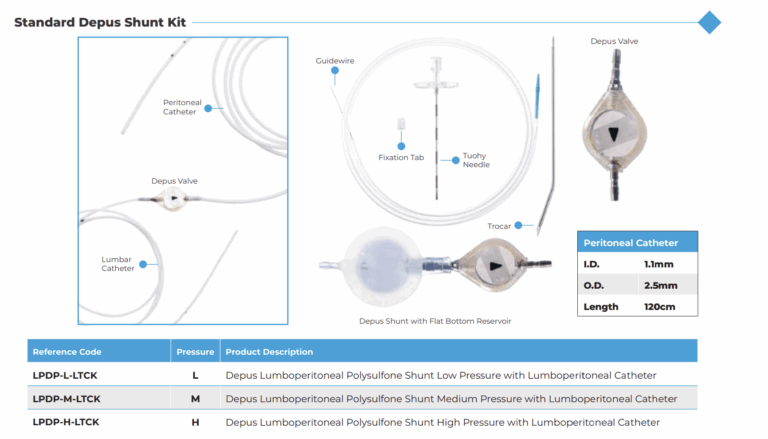
Post-Operative Care: Ensuring Long-Term Success in Neurological Health
Effective post-operative care plays a pivotal role in neurological recovery; therefore, careful attention to rehabilitation is essential. Patients experiencing complex procedures, such as Lumboperitoneal shunt procedure, benefit from a tailored regimen that balances rest, monitored activity, and gradual physical therapy.
It is important to note that recovery rhythms may vary, and ongoing consultations with healthcare professionals foster clearer expectations. In my opinion, gradual adjustments in medication, lifestyle, and diet are fundamental, yet sometimes, subtle differences in patient response require further analysis.
“Observing the body’s signals after surgery often leads to more informed decisions in the care journey.”
Moreover, regular check-ups and adherence to rehabilitation schedules significantly influence outcomes. To assist caregivers, consider the table below displaying key areas of focus:
Post-Operative Focus Areas
| Aspect | Importance |
|---|---|
| Monitoring | Vital |
| Rehabilitation | Critical |
Comparing Lumboperitoneal and Ventriculoperitoneal Shunt Procedures for Neurological Benefits
The comparison between Lumboperitoneal and Ventriculoperitoneal shunt procedures draws interest among neurosurgeons seeking optimal neurological benefits. While the Ventriculoperitoneal method remains standard for reducing intracranial pressure, a Lumboperitoneal shunt procedure offers an alternative that may be less invasive in selected cases. Therefore, patient recovery and long-term outcomes vary, making a precise evaluation essential. Experts note that although a Lumboperitoneal shunt procedure can provide favorable results, subtle differences in patient conditions require attention. Key considerations include:
- Item: Minimally invasive techniques can improve recovery speed.
- Item: Personalized treatment plans enhance overall care.
- Item: Regular follow-ups ensure effective monitoring.
Despite these insights, some aspects remain ambiguous, and ongoing research continues to refine the approach. In my opinion, a balanced consideration of both procedures leads to more informed decisions for individual patients, ultimately optimizing neurological outcomes through careful clinical judgment and patient-specific planning using a Lumboperitoneal shunt procedure.
Managing Risks: Safety Strategies in Lumboperitoneal Shunt Procedures
Safety in Lumboperitoneal shunt procedure is paramount. Experts implement thorough pre-operative assessments to identify patient-specific concerns, therefore reducing unexpected complications. Meticulous planning, precise imaging, and real-time monitoring underpin these strategies. In many cases, a tailored approach fosters quicker interventions and improved outcomes. Additionally, institutional protocols ensure strict adherence to hygiene and sterility guidelines, enabling the surgical team to operate with confidence.
The adaptation of new technologies further supports the accuracy required in Lumboperitoneal shunt procedure, fostering rapid recovery while minimizing risks. However, each case presents subtle challenges that demand individualized consideration. Strong communication among multidisciplinary teams plays a vital role, yet every instance calls for a personalized analysis. Ultimately, the combination of constant learning and procedural adjustments enhances patient safety.
Continuous evaluation of safety protocols remains essential, ensuring that the benefits of Lumboperitoneal shunt procedure are maximized while potential hazards are effectively mitigated. Continuous improvement remains our shared goal.
The Role of Advanced Imaging in Optimising Lumboperitoneal Shunt Outcomes
Advanced imaging has become a critical tool in evaluating and optimising outcomes for patients undergoing the Lumboperitoneal shunt procedure. In my opinion, its precision enables surgeons to accurately assess anatomical structures and refine device placement, thereby reducing postoperative complications. Therefore, comprehensive radiological techniques provide dynamic feedback that guides nuanced clinical decisions. Modern scans offer clear visualisation of delicate cerebrospinal fluid channels, while subtle imaging cues help to mitigate potential risks. Despite its complexity, integrating advanced imaging facilitates smoother surgical workflows.
Additionally, expanding technological capabilities have bolstered surgeons’ confidence, ensuring each step of the Lumboperitoneal shunt procedure is carefully monitored. This evolving diagnostic approach not only confirms anatomical details but also sharpens treatment strategies, thereby enhancing recovery outcomes. Ultimately, consistent innovation in imaging reinforces best practices in neurosurgery, making the Lumboperitoneal shunt procedure a continually improving option for patient care. Furthermore, enhanced imaging continues to shape patient journeys remarkably. Outcomes continue improving.
Future Directions: Emerging Trends in Lumboperitoneal Shunt Research and Technology
Recent advancements in neurosurgery and bioengineering have spurred intriguing developments in modern Lumboperitoneal shunt procedure technology. Researchers continue experimenting with designs that may improve fluid regulation efficiency, potentially reducing complications. These innovative ideas suggest that Lumboperitoneal shunt procedure refinements will soon become common practice in specialised medical centres. Technology is evolving rapidly; therefore, emerging implants now integrate smart sensors, facilitating real-time monitoring. Additionally, clinical trials indicate that personalised settings might enhance safety and performance when using Lumboperitoneal shunt procedure approaches.
Collaborators from different disciplines share uncertain yet exciting insights, yet some research hurdles persist. Among prospective enhancements, nanotechnology and adaptive materials appear promising. In my opinion, despite this ambiguity, ongoing synergy between practice and experimentation offers hope for more effective treatments, thus ensuring improved patient outcomes with Lumboperitoneal shunt procedure implementations. Future research may reveal further optimisations, although challenges remain, hence detailed studies are essential. Progress continues to inspire opportunities.
Conclusion
In conclusion, the discussion has shed light on important nuances and advancements, and the focus remains on empowering individuals in their journey towards better health outcomes. The Lumboperitoneal shunt procedure stands out as a meaningful step forward, and the insights shared here help clarify its role in contemporary treatment options. Therefore, readers can feel reassured that taking informed action has value, and the careful examination of each perspective reinforces the overall message of hope and progress.
Frequently Asked Questions
What is a lumboperitoneal shunt procedure?
A lumboperitoneal shunt procedure is a surgical intervention that involves inserting a catheter into the lumbar region of the spine to divert excess cerebrospinal fluid to the peritoneal cavity, where it can be absorbed. This is often used to treat conditions like idiopathic normal pressure hydrocephalus.
Who is eligible for a lumboperitoneal shunt procedure?
Eligibility for the procedure typically depends on a detailed medical evaluation. Patients with conditions such as normal pressure hydrocephalus or certain types of meningitis may be considered. A specialist in neurosurgery will assess the risks and benefits based on individual health circumstances.
How is the lumboperitoneal shunt procedure performed?
The procedure is usually performed under general or local anaesthesia. A small incision is made in the lower back to access the lumbar region, and a catheter is inserted to drain excess fluid into the peritoneal cavity. Imaging guidance helps ensure the catheter is correctly placed.
What are the potential risks and complications associated with the procedure?
While generally safe, the procedure carries risks such as infection, bleeding, shunt malfunction or blockage, over-drainage of cerebrospinal fluid, and minor issues related to the surgical incision. Your surgeon will discuss these risks with you before the procedure.
How long is the recovery process after the procedure?
Recovery times vary between individuals. Most patients can expect a hospital stay of a few days, followed by a period of rest and gradual reintroduction of normal activities. Full recovery might take several weeks, during which follow-up appointments will monitor your progress.
Will the shunt require maintenance or replacement over time?
Yes, shunts are living devices and may require adjustments, repairs, or even replacement over time due to wear, blockage, or changes in your condition. Regular follow-up appointments with your specialist are important for ongoing management.
Can I resume physical activities after undergoing a lumboperitoneal shunt procedure?
Most patients can gradually resume light physical activities after a few weeks, but strenuous activities and heavy lifting are generally advised against for a period. Your surgeon will provide specific instructions based on your individual recovery.
How does a lumboperitoneal shunt differ from a ventriculoperitoneal shunt?
While both procedures aim to divert cerebrospinal fluid, a lumboperitoneal shunt is inserted in the lumbar spine and drains fluid from the spinal canal, whereas a ventriculoperitoneal shunt is inserted into the brain’s ventricular system. The choice between the two procedures depends on the underlying condition and the patient’s specific needs.
Will the lumboperitoneal shunt affect my daily life?
For most patients, the shunt does not significantly alter daily life. However, carrying a shunt means you’ll need regular medical reviews, and you should be aware of potential signs of shunt malfunction. Your healthcare team will provide guidelines on managing your condition long-term.
Where can I find more information or seek advice about the procedure?
You can consult your neurosurgeon or primary care physician for personalised advice. Additionally, reputable medical websites, patient support groups, and specialised healthcare organisations provide detailed information on lumboperitoneal shunt procedures.
