
Biologic Bone Graft: Mechanisms of Action in Neurosurgical Reconstruction
In the complex arena of neurosurgery, including cranioplasty or spinal fusion procedures, the rehabilitation of skeletal integrity is at least as important as the primary neural surgery.Instead of synthetic materials (ceramics or polymers) that fulfill an empty spot, biologic bone grafts are intended to be directly involved through the body’s reconstruction process.
Such materials originate from naturally occurring sources (allografts or xenografts) and constitute a functional framework that reflects the structural and chemical properties of human bone. For medical service providers such as Desu, gaining insight into the cellular behavior of bone graft and host tissues at this level is important, if products are to provide solutions that guarantee long-term stability and osseointegration.
Types of Biologic Bone Grafts Used in Neurosurgery
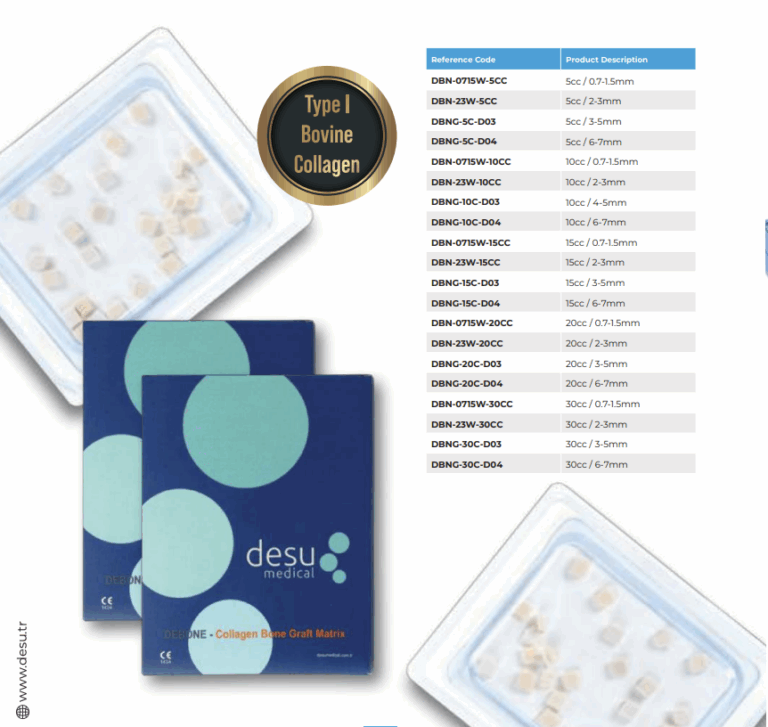
Bio-grafts are divided according to their source and processing. In the neurosurgical surgical area a Biologic Bone Graft is chosen based on the defect size, load-bearing, and the vascularity of the recipient bed.
Allografts: Sourced from cadaveric donors, allografts serve as the common biologic alternative to autografts. These include a regimen of heavy sterilization of the grafts, which involve freeze drying or irradiation treatment, to protect the collagen matrix as well as the immune (risk of rejection) and pathogenic elements. They are found in a number of styles:
Structural Allografts: For mechanical support (in spinal fusion cages).
Demineralized Bone Matrix (DBM): A DBM is an advanced allograft form of allograft where mineral content (calcium) is removed through acid extraction, while organic collagen matrix remains as well as importantly growth factors.
Less structural, but extremely bioactive, DBM is often used as a paste or putty to stimulate bone regeneration in cranial defects.
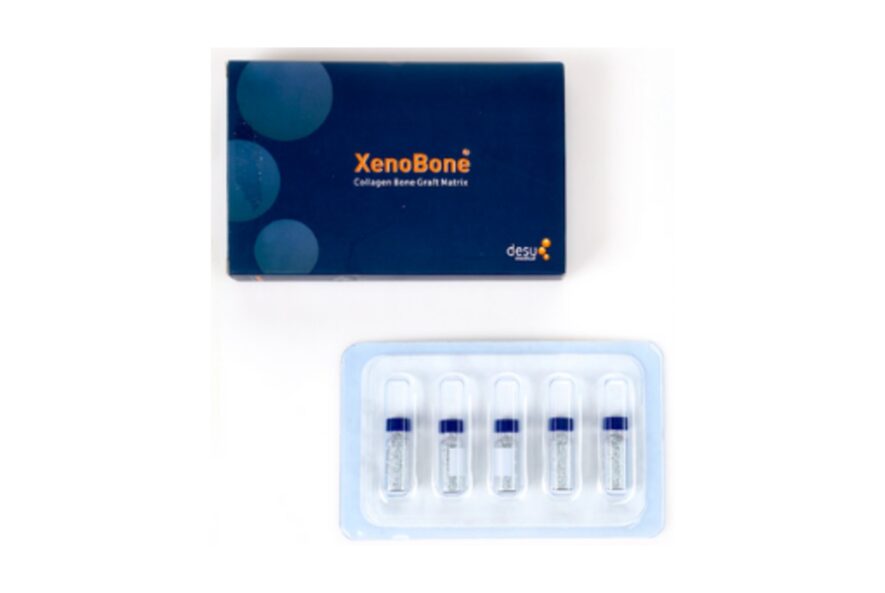
Xenografts: Usually derived from bovine or porcine sources. These grafts are engineered to eliminate all organic material and retain a pure hydroxyapatite mineral structure. Less common in cranial vault reconstruction than allografts, but they are good volume expanders.
Osteoinduction vs. Osteoconduction in Biologic Grafts
To understand how biologic grafts function, we need to differentiate between two basic biological principles: Osteoinduction vs. Osteoconduction. These terms describe the mechanism of action by which the bone graft interacts with the host body.
Osteoconduction (The Scaffold): Consider this the trellis of climbing plants. Osteoconductive grafts provide a passive, 3D porous structure that facilitates the ingrowth of new capillaries (angiogenesis) and bone forming cells (osteoblasts) from the surrounding host tissue.
Mechanism: A bridge, thanks to the bone graft. It doesn’t make any bone itself but allows the host’s existing bone to crawl across it.
Key Players: Mineralized allografts and xenografts are mainly osteoconductive.
Osteoinduction (The Signal): This is a far more active and intense process.
Osteoinductive bone grafts include chemical signals, namely Bone Morphogenetic Proteins (BMPs) and other growth factors, which attract undifferentiated stem cells (mesenchymal stem cells) from the patient and trigger them to differentiate into osteoblasts (bone-forming cells).
Mechanism: In any site, regardless of bone quality, an osteoinductive graft can stimulate by chemical means bone formation.
Key Players: Demineralized Bone Matrix (DBM) is perhaps the most important osteoinductive biologic graft; through demineralization the native growth factors embedded in the bone matrix are revealed.
Benefits of Allografts in Cranial Reconstruction
Cranioplasty is the surgical reconstruction of a cranial bone defect (after a decompressive craniectomy) may pose unique obstacles. The scalp is thin, and the look is critical to achieve a well-developed aesthetic shape. The benefits of integrating allografts are visible here when compared to using either synthetics (such as titanium or PEEK) or autografts.
Elimination of Donor Site Morbidity: Harvesting an autograft (for instance from the iliac crest or the skull split) entails performing a second surgical site and presents an increased risk of infection, chronic pain, and bleeding. Allografts are an off-the-shelf option and save the patient this extra trauma.
Immediate Structural Integrity: Biologic allografts have the natural trabecular structure of bone.
Unlike pastes that must harden, structural allografts can provide immediate protection to the underlying brain tissue.
Natural Biocompatibility: As they are made of collagen and hydroxyapatite (the very building blocks of human bone), allografts are radiolucent (enabling clear CT/MRI imaging of the brain below) and do not create the thermal artifacts found in metals.
Moreover, the possibility of late-stage extrusion (the body forcing the implant out through the skin) is often lower in the context of biologic materials than in synthetic material, which is in part due to the recognition by the body of the matrix as self, after undergoing remodeling.
How Biologic Grafts Stimulate Natural Bone Recovery
The end aim of any graft isn’t to occupy space, but to be replaced with the patient’s living bone.
The Remodeling Cycle: When a biologic bone graft is implanted, the organism mounts a complicated repairing path:
Inflammation: Immediately after an implant, platelets and inflammatory cells travel to the surrounding graft area, where they release cytokines.
Revascularization: New blood vessels from the host bone bed enter into the porous structure of the graft (osteoconduction). This gives oxygen and nutrients.
Resorption and Formation: Specialized cells called osteoclasts begin to break down the remaining graft material. At the same time, osteoblasts (brought in via osteoinduction) deposit living bone mineral (osteoid) in its place.
Integration vs. Encapsulation: Synthetic materials are never replaced in the body, it simply encases them with fibrous tissue. By contrast, for biologic bone grafts, all of the material is contained right inside a bone graft. Over months and years, the graft material disappears, to be replaced only by the patient’s new bone. This is especially important in pediatric neurosurgery, where the implant should adjust to the developing skull an ability only through biologic remodeling.
Ultimately, the use of biologic bone grafts is the result of an alliance which takes two worlds of surgical skill and biological engineering into consideration. Utilizing the principles of osteoconduction and osteoinduction, clinicians are able to reconstruct cranial and spinal defects with the use of materials that do not simply fill a void, but proactively heal the body’s own skeletal physiology.
For advanced neurosurgical solution providers, understanding these biological imperatives sets them up for successful patient outcomes.
If you would like to receive detailed information about DESU Medical products or explore distributorship and partnership opportunities, please do not hesitate to contact us. Our team will be happy to support you with product specifications, certifications, pricing structures, and collaboration models tailored to your market and needs.
For sales inquiries, product catalogs, and distributorship requests, you may reach us directly at [email protected]
We look forward to building long-term, value-driven partnerships and supporting healthcare professionals with reliable, high-quality medical solutions.
