
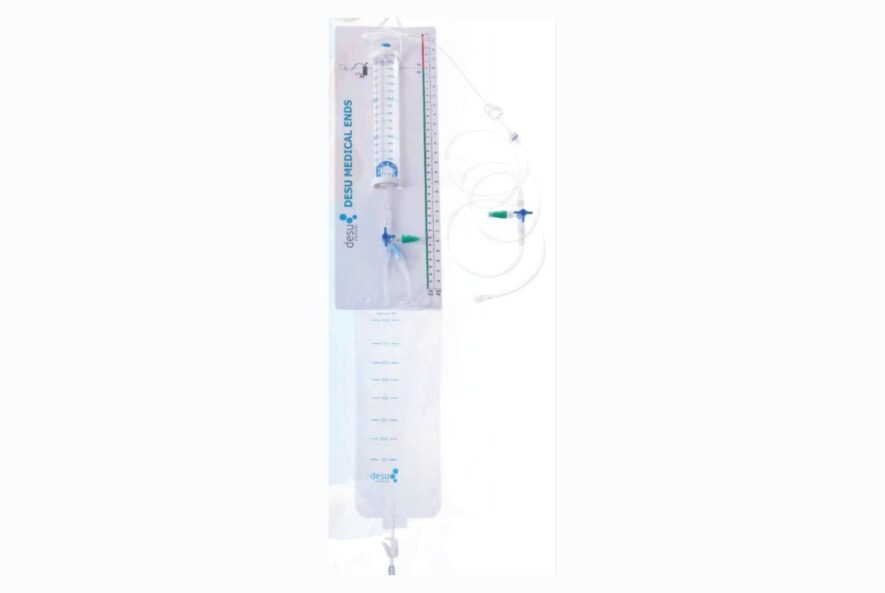
How Can Effective Management of External Ventricular Drainage Systems Improve Patient Outcomes?
Caring for patients with neurological conditions often calls for specialised interventions, and an External Ventricular Drainage (EVD) system stands out as a crucial tool in this context. Effective External Ventricular Drainage System management plays a central role in preventing complications and promoting recovery, especially for those affected by acute brain injuries or hydrocephalus. When handled with diligence, EVDs offer significant benefits by relieving intracranial pressure and ensuring precise monitoring of cerebrospinal fluid.
However, the procedure itself requires careful attention to protocol and awareness of complications such as infection or blockages. Additionally, practitioners should be familiar with various desu medical’s EVD array features to tailor care to each patient’s needs. By focusing on safe and consistent practices, healthcare teams can directly influence outcomes, giving patients the best chance for recovery.
Key Points
- Proper External Ventricular Drainage System management is vital for minimising complications, optimising patient safety, and maximising therapeutic outcomes.
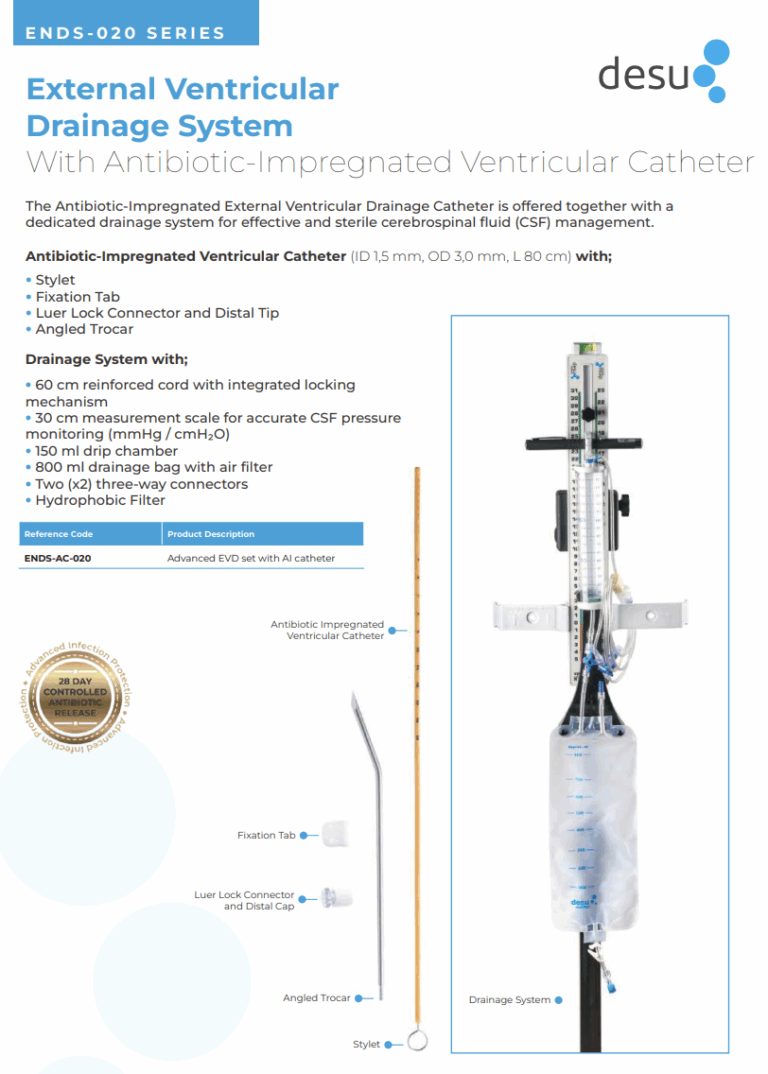
Understanding the Role of External Ventricular Drainage Systems in Neurosurgical Care
The External Ventricular Drainage System benefits are often crucial for patients facing acute neurological conditions, particularly when rapid reduction of intracranial pressure is necessary. This advanced tool offers neurosurgeons a practical approach to managing hydrocephalus and other life-threatening emergencies. However, the External Ventricular Drainage System procedure can be complex and typically involves inserting a catheter into the brain’s ventricles to divert cerebrospinal fluid. Therefore, patients may experience both expected and unexpected outcomes with this intervention.
Yet, some aspects of External Ventricular Drainage System management remain a topic of ongoing study and clinical debate, especially regarding optimal care techniques. Despite careful monitoring, External Ventricular Drainage System complications can arise, such as infection or hemorrhage, hence ongoing vigilance is essential.
- Continuous drainage: lowers pressure safely.
- Frequent assessment: reduces risk of infection.
- Prompt response: prevents acute deterioration.
In summary, proper External Ventricular Drainage System management balances benefit and potential risks in neurosurgical care.
Key Principles for Effective Management of External Ventricular Drains
Effective External Ventricular Drainage System management relies on careful attention to sterile technique, precise monitoring, and timely response to changes. Maintaining a closed circuit is vital, yet some scenarios may require brief disconnections—always conduct these with extreme caution. Regular assessment of the drainage output and patient neurology can provide early warning signs if intervention is needed.
Typically, protocols recommend checking the system’s leveling relative to a patient’s anatomical landmarks, although precise positioning can vary between settings. It is crucial to avoid unnecessary flushing of the tubing, because this can introduce infection risk or disrupt intracranial pressure dynamics. Using a high-quality desu medical’s evd offers reassuring safety features, but even with reliable devices, vigilance remains important.
Ultimately, successful External Ventricular Drainage System management combines technical know-how, clinical judgement, and a touch of intuition, especially as no two cases follow the exact same course. Nevertheless, regular staff training is advisable to keep every aspect of External Ventricular Drainage System management consistent and efficient.
Best Practices in Infection Prevention for EVDs: Protecting Patient Safety
Maintaining rigorous standards in External Ventricular Drainage System management is vital to reduce infection risks. Hand hygiene stands out as the most basic, yet sometimes overlooked, approach—every contact with the system should begin and end with proper handwashing.
Insertion of the EVD under strictly aseptic conditions typically yields better patient outcomes; still, not all facilities follow identical protocols. Regular, thorough site inspection helps detect early signs of infection, such as redness or swelling, and warrants immediate response. It’s unclear whether regular dressing changes alone avert infection, but they contribute to the overall cleanliness. Limiting unnecessary access to the drainage system is also considered essential, especially during sampling or drainage adjustment.
In my opinion, ongoing training and awareness for healthcare personnel involved in External Ventricular Drainage System management significantly improve adherence to protocols. Adopting such targeted measures often strengthens the overall safety net for patients relying on External Ventricular Drainage System management.
Optimising EVD Placement Techniques to Enhance Clinical Outcomes
Optimising EVD placement plays a vital role in improving patient recovery and decreasing complications, though universal agreement on best practices isn’t always apparent. Effective External Ventricular Drainage System management requires not only precision in insertion but also careful consideration of patient anatomy and clinical indication. A tailored approach seems to yield better results because no two cases present alike. Although traditional techniques still see wide use, advances in imaging guidance and catheter technology have allowed for greater placement accuracy. There are a few steps commonly regarded as critical during placement:
- Pre-procedural imaging: reduces risk by guiding entry point and trajectory.
- Sterile technique: minimises infection, especially given the vulnerability of neurosurgical patients.
- Continuous monitoring: essential in External Ventricular Drainage System management to detect early complications.
Nevertheless, even experienced practitioners acknowledge the unpredictability at times. Therefore, ongoing refinement of External Ventricular Drainage System management and technique training remain central to achieving optimal clinical outcomes.
Monitoring and Early Detection of Complications in External Ventricular Drainage
Effective External Ventricular Drainage System management hinges on vigilant monitoring and timely detection of possible complications. Regular assessment of cerebrospinal fluid output and clarity can uncover subtle changes, sometimes pointing towards infection or blockage. However, not every fluctuation in fluid appearance is cause for alarm, so experience and clinical context truly matter. Trained staff often watch for signs like redness or swelling around the insertion site, which may indicate an underlying problem. Additionally, careful observation of neurological status helps in catching complications before they escalate.
Because early identification is key, some care teams implement scheduled checks and carefully record any changes. Although protocols vary depending on patient needs and local guidelines, proactive communication within the team remains essential. In my opinion, clear documentation and ongoing education play crucial roles in optimising External Ventricular Drainage System management and patient safety overall.
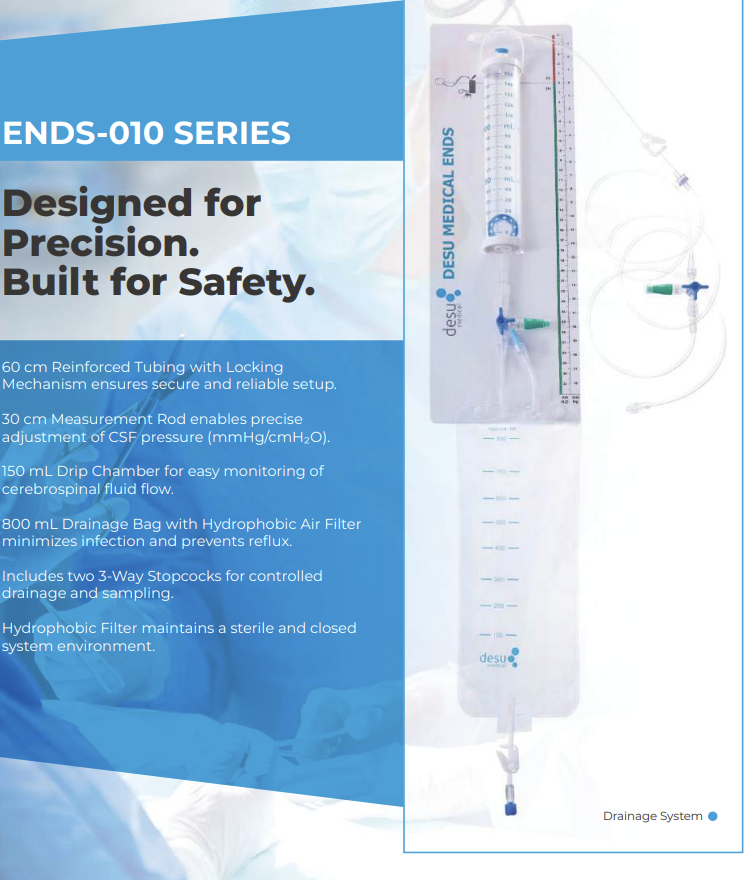
Interprofessional Collaboration in Managing External Ventricular Drainage Systems
Interprofessional teamwork is essential for effective External Ventricular Drainage System management. Nurses, neurosurgeons, and critical care specialists must work closely because the slightest misstep may impact patient safety. However, responsibilities often blend; sometimes, it remains slightly unclear who adjusts a setting or records specific values.
Yet, this shared vigilance usually leads to better patient outcomes. Communication plays a key role, especially when changes in a patient’s neurological status occur. For example, timely updates between staff about drain output or pressure readings ensure swift intervention. Still, even routine External Ventricular Drainage System management decisions benefit from joint problem-solving. As one clinician put it,
“Managing an external ventricular drain is never a solo responsibility—it’s a collective effort, even if each of us brings a different expertise to the table.”
Additionally, clear documentation and regular briefings support safer External Ventricular Drainage System management, ultimately promoting both understanding and trust among all team members.
Patient-Centred Approaches to EVD Management and Postoperative Care
Adopting a patient-centred perspective in External Ventricular Drainage System management and postoperative care can genuinely enhance patient outcomes, yet the best method is sometimes debated. Care often begins with open communication, ensuring patients and families understand each step of the EVD process.
This approach is not just about delivering technical excellence; it addresses individual preferences, comfort levels, and anxieties related to External Ventricular Drainage System management. For instance, some patients may need extra guidance when adjusting to the device or handling postoperative routines.
- Education: Clear explanations of External Ventricular Drainage System management steps help reduce uncertainty.
- Personalised support: Tailored pain control and emotional guidance foster trust and cooperation.
- Holistic monitoring: Ongoing, attentive follow-up allows timely responses to subtle changes.
Although standard protocols exist, adapting care to individual values and needs often makes a subtle but meaningful difference. Therefore, a patient-centred strategy remains crucial, even when standardisation tempts us otherwise.
Advanced Technologies and Innovations in External Ventricular Drainage
Recent years have brought exciting advancements in External Ventricular Drainage System management. Smart sensors, for instance, now provide more accurate monitoring of intracranial pressure. These innovations enhance safety, yet not all hospitals have adopted them, possibly due to cost or varying clinical comfort.
Additionally, wireless connectivity allows clinicians to track drainage data remotely. This can lead to quicker responses, although some experts debate whether it’s always beneficial to depend on digital alerts alone. Another area of progress involves antimicrobial catheters, designed to resist infection and extend device longevity. Nevertheless, the effects on long-term outcomes seem mixed. Automation in External Ventricular Drainage System management could streamline protocols, but hands-on care and judgement remain crucial. Despite rapid change, balancing advanced tools with individualized attention to the patient ensures that External Ventricular Drainage System management continues to evolve with patient well-being at its heart.
Training and Competency: Building Expertise for Improved EVD Outcomes
For safer and more effective patient care, External Ventricular Drainage System management must be approached with thorough training and up-to-date competency. Clinical teams need regular skill refreshers because technology and techniques can shift subtly over time, and relying only on past learning isn’t always enough. Regular workshops focus on identifying potential complications early, understanding device setup, and ensuring responses remain agile under pressure.
This competence is vital for accurate External Ventricular Drainage System management, yet not every scenario fits textbook solutions. Professionals often benefit from simulated case discussions, which foster adaptability and decision-making skills. Although checklists help standardize procedures, effective External Ventricular Drainage System management depends on both knowledge and hands-on experience, especially during emergencies. Therefore, investing in ongoing training and peer support creates a culture where expertise continually grows, ultimately leading to better outcomes for patients who rely on these critical interventions.
Future Directions and Research Priorities in EVD Management and Patient Outcomes
Future research in External Ventricular Drainage System management aims to address several ongoing questions and priorities. Advances in infection control and catheter design, for example, remain at the forefront, especially as complication rates still pose significant challenges for clinicians.
Although recent protocols have improved outcomes, some uncertainty lingers regarding optimal techniques and duration of drainage. Researchers frequently debate the best monitoring practices or, for instance, how technology can enhance External Ventricular Drainage System management. Additionally, personalizing care to individual patient needs sits high on the agenda.
- Infection prevention: developing antimicrobial materials or coatings.
- Standardization: refining consensus guidelines for External Ventricular Drainage System management.
- Outcome tracking: improving tools for postoperative monitoring and follow-up.
Nevertheless, as innovations continue, collaboration between clinical teams and engineers will likely play a pivotal role in shaping safer, more effective approaches to EVD and patient care.
Conclusion
To sum up, effective External Ventricular Drainage System management truly makes a difference in patient outcomes. By focusing on best practices, careful monitoring, and timely interventions, healthcare teams can reduce complications and improve recovery.
Although challenges sometimes arise, a thoughtful and informed approach helps ensure the best possible care. In my opinion, staying updated on new techniques and fostering good communication will continue to support safer and more successful External Ventricular Drainage System management.
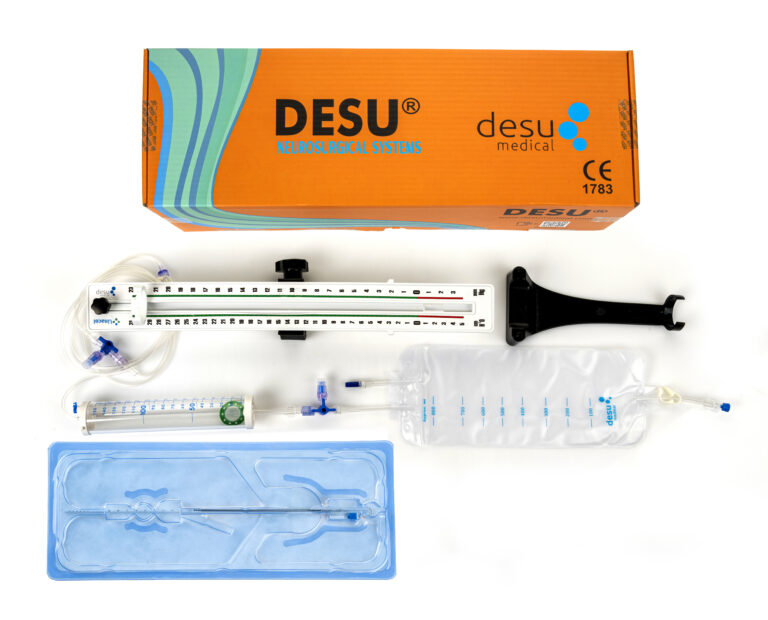
Frequently Asked Questions
What is an External Ventricular Drainage (EVD) system?
An EVD system is a medical device used to drain excess cerebrospinal fluid (CSF) from the brain’s ventricles to relieve increased intracranial pressure.
When is an EVD system typically used?
It is commonly used in cases of hydrocephalus, traumatic brain injury, intracranial hemorrhage, or infection to manage elevated intracranial pressure.
How is an EVD system inserted?
A neurosurgeon inserts a catheter through the skull into a ventricle in the brain, which is then connected to an external collection system.
How is the EVD system managed and monitored?
The EVD system is managed by adjusting the level of the drainage chamber to maintain the target intracranial pressure, and monitored for CSF output, color, and signs of infection.
What are the risks or complications associated with EVD?
Potential complications include infection, hemorrhage, catheter blockage, over-drainage or under-drainage, and accidental dislodgement.
How do you recognize signs of EVD infection?
Signs of infection include fever, redness or swelling at the insertion site, cloudy CSF, and changes in neurological status.
Can patients with an EVD system move or change positions?
Movement is generally limited to stabilize the EVD system and prevent dislodgement, but some position changes may be allowed under strict monitoring.
How long does an EVD system stay in place?
Duration depends on the patient’s clinical needs, but EVDs are usually temporary, often remaining in place for a few days to a couple of weeks.
What precautions should caregivers and visitors take around patients with EVD?
Caregivers and visitors should avoid touching the EVD system, ensure strict hand hygiene, and follow hospital infection control protocols.
How is the EVD system removed?
EVD removal is performed by a neurosurgeon under sterile conditions, typically after confirming that the patient can tolerate normal CSF drainage pathways.
For more information, visit Desu.
If you would like to receive detailed information about DESU Medical products or explore distributorship and partnership opportunities, please do not hesitate to contact us. Our team will be happy to support you with product specifications, certifications, pricing structures, and collaboration models tailored to your market and needs.
For sales inquiries, product catalogs, and distributorship requests, you may reach us directly at [email protected]
We look forward to building long-term, value-driven partnerships and supporting healthcare professionals with reliable, high-quality medical solutions.
