
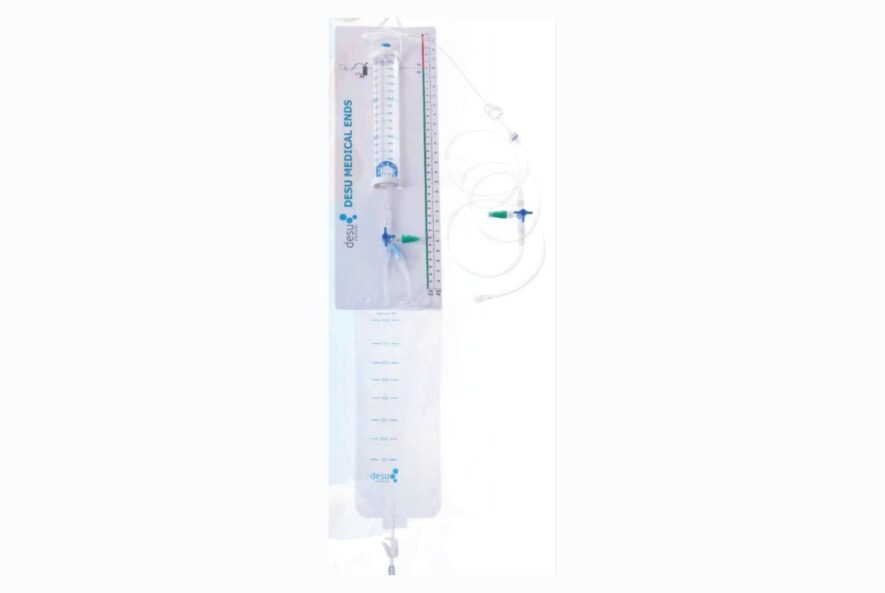
How Can You Ensure Optimal Performance of Your External Ventricular Drainage System?
Ensuring the optimal performance of an External Ventricular Drainage (EVD) system is crucial for those relying on it for the management of elevated intracranial pressure or hydrocephalus. This delicate neurocritical care tool, by design, helps drain excess cerebrospinal fluid and prevent harmful buildup.
However, maintaining consistent function goes beyond merely setting up the equipment. The effectiveness of this system depends on attention to detail, regular assessment, and prompt intervention whenever something seems amiss. Therefore, understanding the core steps of External Ventricular Drainage System maintenance, recognising potential complications, and appreciating the benefits of proactive care is essential—not just for healthcare professionals but also for patients and their families.
Additionally, clear knowledge of the procedure supports confidence and reduces anxiety, while advanced solutions like desu medical’s EVD array bring extra peace of mind.
Key Points
- Regular assessment, proper setup, early complication recognition, and understanding system benefits constitute successful External Ventricular Drainage System care.
Understanding the Fundamentals of External Ventricular Drainage Systems
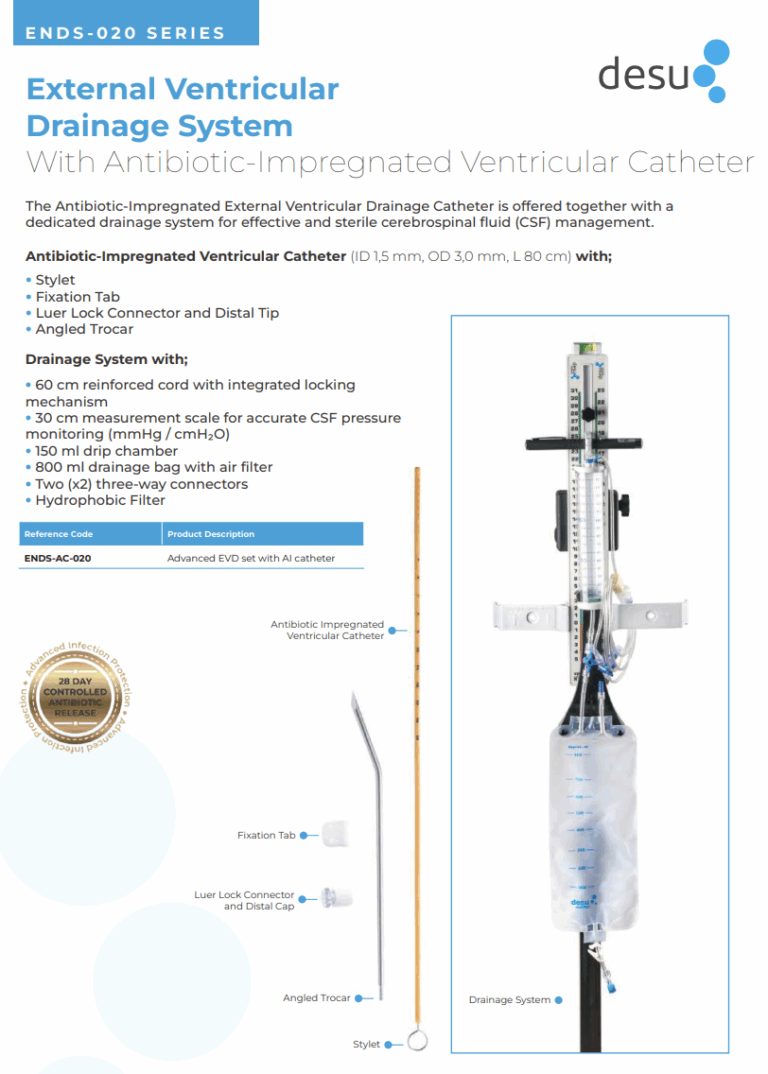
The External Ventricular Drainage System benefits make it a crucial tool in managing acute neurological conditions. Essentially, this system helps relieve intracranial pressure by draining excess cerebrospinal fluid from the brain’s ventricles. Its use is common in neurosurgical intensive care, yet the procedure requires significant skill and attention. The External Ventricular Drainage System procedure typically involves placing a catheter through a small opening in the skull into the lateral ventricle. There’s some variation in technique, reflecting patient anatomy and local practice.
Nevertheless, understanding External Ventricular Drainage System complications is fundamental. Some possible issues include infection, blockage, or over-drainage—none of which are entirely predictable, unfortunately. For clinicians, ongoing External Ventricular Drainage System maintenance, such as monitoring pressure and ensuring sterility, is essential for patient safety. To summarise, safe use depends on several factors:
- Accurate placement: key for effectiveness.
- Close monitoring: crucial for early problem detection.
- Consistent External Ventricular Drainage System maintenance: minimizes risk of adverse outcomes.
Despite this, these systems remain indispensable in critical care settings.
Pre-Procedure Checklist: Key Steps for Safe EVD Placement
Before initiating any desu medical’s evd procedure, a comprehensive pre-procedure checklist is essential for safety. Start by confirming patient identity and reviewing relevant imaging, as subtle anatomical variations might exist. Gather all necessary desu medical’s evd supplies and verify their sterility because any break in protocol can increase risks.
Double-check the availability and labeling of required drugs or anesthetics. Although it may seem simple, ensuring proper patient positioning matters for accurate placement and smoother recovery. Additionally, communicate the procedure and risks with the patient or family, clarifying steps as needed. Careful skin preparation and draping help maintain a sterile field, which can be crucial.
Meticulous planning supports effective External Ventricular Drainage System maintenance during and after insertion, with frequent reassessment. Moreover, assign clear team roles—yet remain flexible, since unpredicted events may arise. A well-executed checklist lays the groundwork for successful EVD placement and subsequent External Ventricular Drainage System maintenance.
Best Practices for EVD Setup and Securement Techniques
Ensuring a successful External Ventricular Drainage System maintenance process typically starts with careful setup and vigilant securement. Initially, confirm that all necessary sterile equipment is at hand, because any lapse can lead to avoidable complications. During insertion, use a gentle yet firm grip to minimize trauma and align the catheter precisely according to anatomical landmarks.
Proper securement is vital; therefore, select devices and adhesive dressings suited to the patient’s skin and movement patterns. Some specialists prefer transparent dressings to monitor the site, whereas others might use gauze for added stability. Regardless of preference, routinely inspect and adjust fastening methods as needed to maintain integrity. Additionally, regular assessment is fundamental for effective External Ventricular Drainage System maintenance, as even minor dislodgement can affect outcomes.
Always document each intervention, which supports both safety and continuous improvement in the External Ventricular Drainage System maintenance protocol.
Continuous Monitoring: Detecting and Addressing EVD Complications Promptly
Continuous monitoring is essential for patients with an External Ventricular Drainage System maintenance in place, as complications can arise rather unexpectedly. Healthcare professionals must closely observe vital signs and the drainage output because subtle changes might signal early issues. Some facilities rely on advanced monitoring tools, while others combine periodic manual checks with clinical assessments. Although protocols may vary, the ultimate goal remains quick recognition of potential problems.
Typical signs demanding attention include abnormal drainage color, reduced output, or unexpected neurological changes.
- Device Inspection: visual checks for blockage, leaks, or displacement.
- Neurological Evaluation: alertness or sudden confusion may suggest evolving problems.
- Drainage Assessment: color and volume provide crucial information.
Successful External Ventricular Drainage System maintenance hinges on teamwork and vigilance. Yet, it’s not always possible to prevent every issue. Nevertheless, addressing complications rapidly often leads to better outcomes. In my opinion, robust External Ventricular Drainage System maintenance practices offer vital reassurance for patients and providers alike.
Established Protocols for Infection Prevention in EVD Management
Adhering to infection prevention protocols is absolutely essential in the management of EVD, though some variations do exist across different settings. A cornerstone of patient safety revolves around diligent External Ventricular Drainage System maintenance. Therefore, healthcare providers must consistently disinfect access points and meticulously observe hand hygiene before and after handling the system.
Additionally, regular assessment for potential entry points of pathogens is recommended, yet in reality, not every situation unfolds as expected. Keeping the External Ventricular Drainage System maintenance process standardized usually includes using sterile equipment, limiting unnecessary manipulations, and ensuring proper dressing of insertion sites. Compliance with these measures often reduces infection risks, although rare breakthroughs still occur.
Furthermore, timely recognition of complications during External Ventricular Drainage System maintenance remains critical. In my opinion, fostering a vigilant clinical culture through ongoing education and protocol updates provides the best chance to counter infections effectively.
Optimising CSF Drainage Parameters for Individual Patient Needs
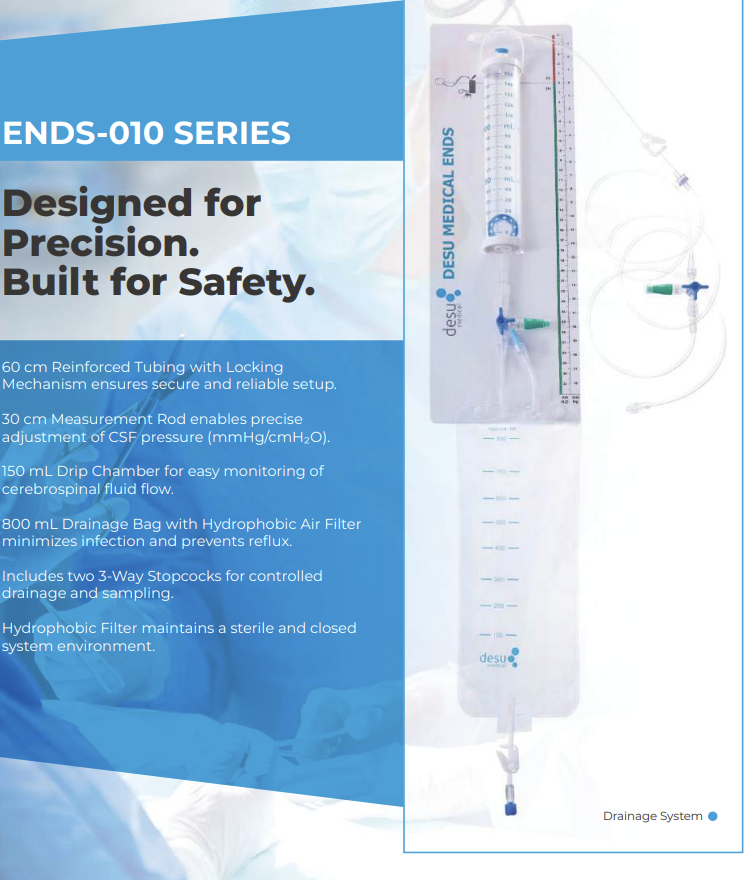
Every patient presents a unique clinical picture, which makes optimising CSF drainage parameters both an art and a science. Medical teams often start with general guidelines, but adjustments are made based on a patient’s response. Factors like age, underlying neurological conditions, and the reason for drainage all play a role. Careful monitoring allows for necessary modifications, aiming to prevent complications such as over-drainage or under-drainage. Sometimes, small changes in the External Ventricular Drainage System maintenance settings have a surprisingly large impact, though results may not always be immediate. As one clinician remarked,
“Understanding the subtle cues from each patient is key—numbers and readings tell only part of the story.”
Therefore, a tailored approach ensures safety and efficacy. Regular External Ventricular Drainage System maintenance checks and patient observation help identify any concerns early. Ultimately, the most effective care often blends technology with keen clinical intuition and daily External Ventricular Drainage System maintenance assessments.
Troubleshooting Common Issues with External Ventricular Drainage
Healthcare professionals often encounter a range of challenges with external ventricular drainage systems. The most frequent concerns include occlusion, infection, and inaccurate pressure readings. Occlusion, for instance, may arise from blood clots or kinks in the tubing. Therefore, regular inspection and flushing protocols remain essential.
Infection risk is always present, especially if External Ventricular Drainage System maintenance procedures are inconsistent. Because signs of infection—such as redness around the insertion site or unexpected patient symptoms—can be subtle, vigilance is advised. Pressure reading inaccuracies sometimes appear due to improper levelling or air bubbles.
- Occlusion: blockages from clots or tubing positioning.
- Infection: bacteria entering during External Ventricular Drainage System maintenance.
- Inaccurate readings: misplacement or trapped air in the system.
Correct External Ventricular Drainage System maintenance can help to reduce these issues, but occasional troubleshooting is still necessary. In my opinion, clear documentation and ongoing staff education often make a significant difference.
Patient and Family Education: Ensuring EVD Safety and Compliance
Education is an essential part of successful External Ventricular Drainage System maintenance. When patients and their families understand the importance of proper care, they become active partners in preventing complications. Therefore, clear instructions on hand hygiene, recognizing potential infection signs, and reporting any changes in the system are vital.
However, not every question has a straightforward answer, especially in real-life care settings. Family members may feel unsure about how to help with External Ventricular Drainage System maintenance, yet regular support and open communication with healthcare providers make a difference. Additionally, small actions—such as keeping the area around the system clean and respecting all safety guidelines—help protect patient wellbeing.
External Ventricular Drainage System maintenance relies on this collaborative approach, as even minor details can impact safety and compliance. Accordingly, ongoing education prepares patients and families to respond to challenges confidently and effectively.
Regular Maintenance and Timely Removal of EVD Systems
Keeping up with External Ventricular Drainage System maintenance is vital in preventing complications. Clinicians aim for a balance between thorough care and patient comfort, although practices can slightly differ between institutions. Regular checks help identify any malfunctions or infections, yet determining the best frequency isn’t always clear-cut.
However, consistent External Ventricular Drainage System maintenance routines often lead to better patient outcomes over time. Timely removal also reduces the risk of infection, especially when cerebrospinal fluid has cleared or when no further drainage is necessary. This step should always occur according to clinical judgement and patient status, because prolonged presence might introduce unpredictability. Nevertheless, ongoing assessment is essential for both External Ventricular Drainage System maintenance and safe removal. Therefore, trust in experienced staff and adherence to updated protocols remain key for safeguarding health and promoting optimal recovery for those relying on these critical systems.
Conclusion
In summary, proper External Ventricular Drainage System maintenance plays a vital role in ensuring patient safety and optimal outcomes. By staying attentive to protocols and addressing issues promptly, you help minimise complications and enhance the overall effectiveness of care. Even routine checks and small preventive steps go a long way. Ultimately, diligent maintenance supports both patient recovery and peace of mind for caregivers.
Frequently Asked Questions
What is an External Ventricular Drainage (EVD) system?
An External Ventricular Drainage (EVD) system is a medical device used to drain excess cerebrospinal fluid (CSF) from the brain’s ventricles to relieve increased intracranial pressure and monitor CSF drainage.
Why is EVD maintenance important?
Proper maintenance is crucial to prevent infections, ensure accurate pressure readings, and maintain effective drainage of CSF, all of which contribute to better patient outcomes.
How often should the EVD system be checked?
The EVD system should be checked at least hourly, or as per your hospital’s protocol, to monitor drainage amount, system integrity, and infection signs.
What signs may indicate an EVD infection?
Signs include fever, redness or swelling at the insertion site, cloudy CSF, headache, or new neurological symptoms. Always report these immediately to the healthcare team.
Can I flush the EVD system if it becomes blocked?
Generally, only trained medical professionals should attempt to flush an EVD, and this should be done according to strict protocols to avoid complications.
What precautions should be taken during EVD maintenance?
Always follow strict aseptic technique, wear appropriate PPE, avoid unnecessary manipulation, and ensure the drainage system is properly secured and positioned.
How should the drainage system be positioned?
The drainage system must be aligned to a specific reference point (usually the external auditory meatus or tragus) and at the prescribed height to maintain correct CSF drainage.
What should I do if the EVD stops draining suddenly?
Check for kinks or blockage in the tubing, ensure the system is at the correct height, and notify the medical team immediately. Do not attempt to resolve blockages yourself unless specifically trained.
How is the output from the EVD system recorded?
Monitor and document the amount, color, and consistency of the drained CSF regularly—usually every hour—using the measurement markings on the drainage collection chamber.
When should the EVD be clamped?
EVD clamping is only performed for specific clinical situations, such as during patient transport or certain procedures, and only upon a physician’s order.
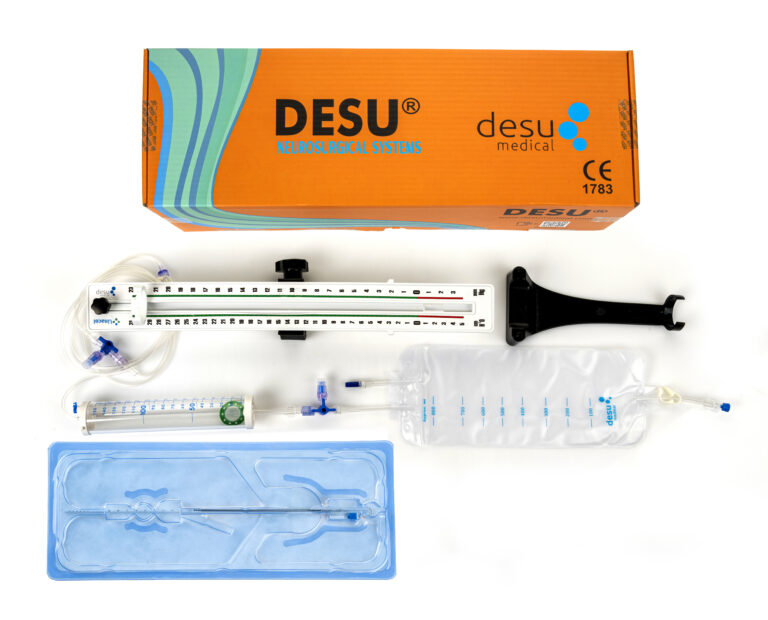
For more information, visit Desu.
