

Is a Lumboperitoneal Shunt the Future for Hydrocephalus Treatment?
Hydrocephalus remains a challenging neurological condition that demands innovative treatment approaches and reliable patient care. Scientific advances have led to exploring less invasive procedures, and emerging techniques are now under careful evaluation. Among these methods is the Lumboperitoneal shunt for hydrocephalus, which shows promise as an alternative treatment option. Therefore, many specialists are keen on comparing new techniques with traditional practices to determine overall efficacy. However, ongoing research plays a crucial role, especially when assessing long-term outcomes.
In my opinion, understanding these advancements is essential for improved patient management and safer surgical practices, thus paving the way for the future of hydrocephalus treatment.
Key Points
- Innovative procedures like the Lumboperitoneal shunt for hydrocephalus are under evaluation for improved outcomes.
- Ongoing research is crucial for understanding the balance between benefits and risks.
- Enhanced patient management and safer practices remain the cornerstone of future treatment strategies.
Related content:
Précision dans les Soins Critiques : Solutions de Kits de Cathéter de Drainage Ventriculaire Externe (DVE)
Operative Bereitschaft in der Neurochirurgie: Lösungen für Sets zur Platzierung der externen Ventrikeldrainage
Präzision in der Intensivpflege: Lösungen für Externe Ventrikeldrainage-Katheter (EVD) Kits
Understanding the Basics of Hydrocephalus and Lumboperitoneal Shunting
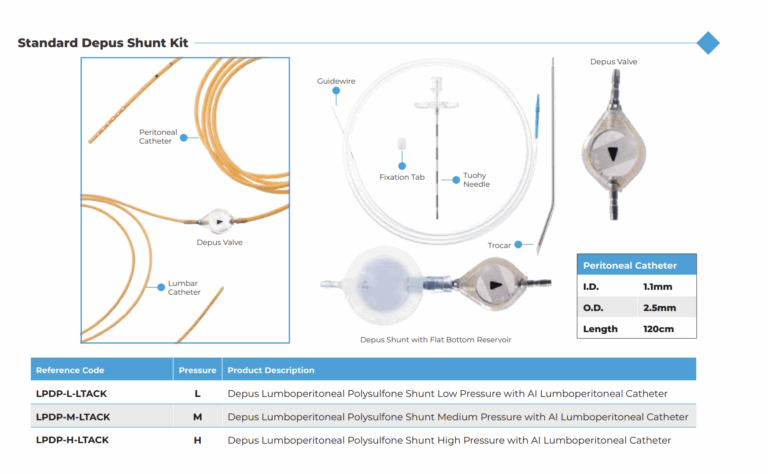
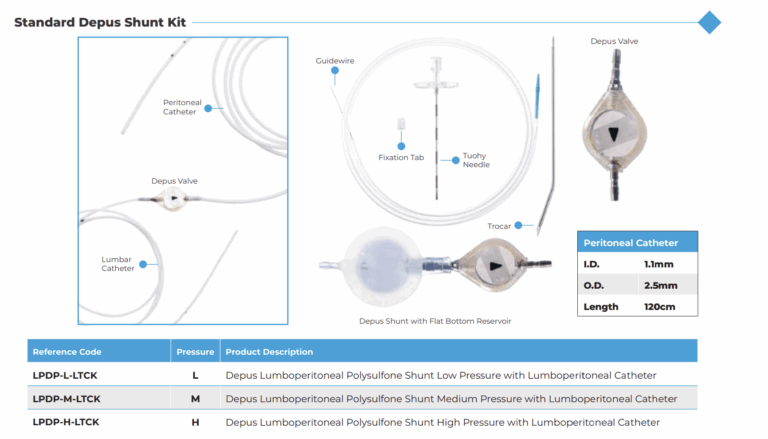
Hydrocephalus occurs when excess fluid gathers in the brain, causing a range of ambiguous symptoms that vary among individuals. A common method to manage this condition is through a surgical procedure where fluid is diverted, easing pressure on the brain. In some cases, a Lumboperitoneal shunt for hydrocephalus is used, offering an alternative pathway for relief. This treatment gently redirects fluid from the brain to the abdominal cavity.
The approach involves careful diagnosis, tailored treatment, and ongoing follow-up, therefore ensuring better outcomes. Consider these key elements:
- item: Diagnosis – identifying fluid buildup and symptoms.
- item: Procedure – safe, minimally invasive surgical intervention.
- item: Management – regular monitoring to assess changes.
Patients may notice improvement with a Lumboperitoneal shunt for hydrocephalus; however, individual recovery differs. Ongoing assessment remains essential. Continued research also supports the benefits of a Lumboperitoneal shunt for hydrocephalus, even though some aspects still carry ambiguity.
Expert advice matters.
Comparing Lumboperitoneal and Ventriculoperitoneal Shunts: Key Differences Explained
Choosing the right shunt system requires careful consideration. The Lumboperitoneal shunt for hydrocephalus offers a less invasive approach compared to its ventriculoperitoneal counterpart, aiming to ease recovery while maintaining effective fluid drainage. However, ventriculoperitoneal shunts tend to provide a more direct route for cerebrospinal fluid, which can benefit certain patients. Therefore, the decision often hinges on individual circumstances.
Considerations
A comparative overview highlights differences in invasiveness, risk, and long-term outcomes. For instance, a simple table might reveal that the minimally invasive method reduces some complications. Still, nuances exist that may affect performance and overall suitability. In some cases, Lumboperitoneal shunt for hydrocephalus experiences slight efficacy variations. Ultimately, personalized diagnosis guides the treatment choice, ensuring balanced benefits and risks.
Notably, history and subtle clinical signals may influence decision-making, thus reinforcing that tailoring the method remains key. Consequently, Lumboperitoneal shunt for hydrocephalus stands as a viable option within a realm of evolving techniques.
Clinical Benefits: Why Lumboperitoneal Shunts Are Gaining Traction
Recent studies hint at a promising shift as clinicians increasingly rely on minimally invasive solutions. The adoption of Lumboperitoneal devices is often linked with smoother recovery trajectories, reduced discomfort, and shorter hospital stays. In many cases, a well-placed shunt effectively diverts excess cerebrospinal fluid, thereby alleviating pressure and supporting improved neurological function. Although the precise mechanisms occasionally spark debate, experts agree that these interventions deliver noteworthy quality-of-life benefits for numerous patients facing complex conditions.
The durability of the hydrocephalus management systems further enhances their attractiveness, particularly for those unlikely to tolerate more intrusive surgeries. Additionally, early mobilization and a faster return to daily routines serve as compelling clinical advantages. Therefore, while challenges in patient selection still arise, the tangible improvements in outcomes support a growing confidence within the medical community regarding this innovative approach.
Further Considerations
Potential Risks and Complications: What Patients Should Know
Every surgical procedure carries some risk, and patients should be aware of possible complications. Potential issues include infections, device malfunctions, and bleeding. In some cases, Lumboperitoneal shunt for hydrocephalus treatments may lead to subtle neurological changes. Therefore, understanding these risks is essential for timely action. Regular follow-ups help in detecting minor changes before they become serious.
Nonetheless, complications might present ambiguously, and symptoms could be misunderstood. Early intervention with expert advice ensures that complications are managed appropriately. Patients must discuss possible outcomes with their doctors, ensuring they feel informed and prepared. The surgical process demands a proactive stance in monitoring health, especially when advanced treatments like Lumboperitoneal shunt for hydrocephalus are involved.
Trust in specialized care remains pivotal. Additionally, awareness of warning signs fosters quick responses in uncertain situations, particularly with treatments such as Lumboperitoneal shunt for hydrocephalus intervention. Patients benefit when they actively monitor and report any unusual symptoms.
Advancements in Shunt Technology and Their Impact on Hydrocephalus Treatment
Emerging Benefits
Hydrocephalus treatment has significantly advanced with improvements in shunt technology. Innovations in design provide reduced complications and improved durability, only offering promise for enhanced patient outcomes. As clinicians gain deeper insight into cerebrospinal fluid dynamics, shunts now incorporate smarter valves that adjust flow with precision. The integration of robust materials and digital sensors marks a new era in treatment efficacy. Notably, new approaches using Lumboperitoneal shunt for hydrocephalus have demonstrated enhanced safety profiles in initial trials.
Furthermore, applications of Lumboperitoneal shunt for hydrocephalus show promising results in relieving pressure variations. However, areas requiring further investigation remain. Therefore, continued refinements are imperative to accommodate individual patient needs, hence boosting recovery potential. Additionally, Lumboperitoneal shunt for hydrocephalus innovations serve not only to improve daily life but also to reduce hospital readmission rates.
The ongoing interplay between research and clinical practice fuels advancements, building confidence among practitioners and patients alike. Progress inspires hope.
Patient Outcomes and Quality of Life: Is the Lumboperitoneal Shunt a Game Changer?
Many patients have experienced reduced complications and improved daily activities, sparking debate regarding long-term effects. According to several studies, prompt intervention and careful patient monitoring are essential. For instance, one patient noted:
“I felt an overall improvement in mobility and independence that I hadn’t expected.”
Therefore, emerging evidence suggests that the Lumboperitoneal shunt for hydrocephalus may be a truly transformative tool in managing complex cases. Physicians appreciate that the Lumboperitoneal shunt for hydrocephalus offers a less invasive alternative, yielding satisfactory outcomes. Enhanced quality assessed in various cohorts signals hope; however, uncertainties linger regarding individually tailored diagnostics.
Particularly, the Lumboperitoneal shunt for hydrocephalus demonstrates potential for increasing quality of life when treatment aligns with specific patient needs. Although slight ambiguities remain in the literature, patient testimonials support that refined surgical techniques now better address associated challenges. Nonetheless, further robust studies may clarify long-term benefits, thus ultimately guiding both practice and expectations.
Innovative Approaches to Minimising Invasive Procedures in Hydrocephalus Management
Recent developments in hydrocephalus management have paved the way for less invasive interventions, blending technology with traditional expertise. In some cases, treatment paths may appear ambiguous, yet emerging strategies continue to promise favourable outcomes. Therefore, experts now consider multiple angles, including advanced imaging and tailored surgical instruments. For example, new procedural techniques help reduce tissue trauma and advocate for patient‐centred care. Moreover, notable innovations feature:
- Item: Detailed preoperative planning to enhance accuracy.
- Item: Precision-guided instrumentation resulting in fewer complications.
- Item: Real-time monitoring systems to ensure effective management.
Techniques such as Lumboperitoneal shunt for hydrocephalus offer a less intrusive pathway when traditional methods present higher risks. Similarly, some clinicians prefer Lumboperitoneal shunt for hydrocephalus to balance safety with efficiency. Recently, the adoption of Lumboperitoneal shunt for hydrocephalus within select practices has sparked both excitement and debate, underscoring an evolving perspective in this dynamic field.
The Role of Neurosurgeons in Adopting and Advancing Lumboperitoneal Shunt Techniques
Neurosurgeons play a pivotal role in developing innovative approaches in treating conditions associated with intracranial pressure. Their expertise stems from years of rigorous training and hands-on experience. In recent times, professionals have explored alternative pathways, for example, employing the Lumboperitoneal shunt for hydrocephalus to manage complex cases. Neurosurgeons are dedicated to refining these procedures; therefore, they continually update their skills and adopt refined techniques. Their evolving strategies emphasize patient wellbeing and improved recovery, which creates a dynamic environment in the field of neurosurgery.
With ongoing research, many have noted the positive impact of the Lumboperitoneal shunt for hydrocephalus when applied correctly. Furthermore, practitioners regularly exchange insights, yet sometimes remain cautious about novel applications such as the Lumboperitoneal shunt for hydrocephalus. In my opinion, this blend of experience and innovation distinguishes skilled neurosurgeons and paves the way for future advancements. Indeed, these innovative practices sustain hope and offer remarkably promising outcomes.
Cost-Effectiveness and Healthcare Implications of Lumboperitoneal Shunts
Recent evaluations highlight promising financial and clinical benefits associated with shunt procedures. The Lumboperitoneal shunt for hydrocephalus offers a cost-effective alternative by reducing hospital stay durations and lowering the need for intensive follow-up. Recent studies suggest that Lumboperitoneal shunt for hydrocephalus may decrease long-term healthcare expenses while maintaining effectiveness. Healthcare providers find that this approach supports both patient recovery and budget constraints, though some uncertainties remain regarding individual outcomes. Therefore, careful analysis of each case is essential, and ongoing research continues to refine these strategies.
Future Insights
Ongoing investigations steadily illuminate further advantages and potential challenges. Although some data remains ambiguous, experts agree on the importance of integrating cost-effectiveness with patient care. Notably, Lumboperitoneal shunt for hydrocephalus continues to generate interest as its benefits extend beyond immediate savings, promising overall improvements in healthcare delivery. Healthcare systems may thus witness a gradual transformation through smarter resource allocation. Future studies will further confirm benefits.
Future Prospects: How Ongoing Research Is Shaping the Treatment of Hydrocephalus
Ongoing research continuously redefines our approach to hydrocephalus treatment. Innovative studies foster new clinical perspectives and refine surgical interventions as technology and patient care evolve. Therefore, modern trials are exploring differences in procedure outcomes, yielding promising yet sometimes ambiguous long-term effects. Recent advances include invasive techniques that adapt traditional strategies with improved precision and safety. Our Lumboperitoneal shunt for hydrocephalus provides reliable symptom relief in selected cases, while emerging data suggests further performance improvements.
Additionally, integrating neuroimaging and biomolecular research offers fresh insights into brain fluid mechanics. Experts remain divided on optimal protocols; however, interdisciplinary collaboration, supplemented by Lumboperitoneal shunt for hydrocephalus techniques, continues to drive progress. Ongoing clinical trials, shared outcomes, and evolving methods enhance recovery prospects and patient quality of life. Ultimately, future directions may blend innovation with established methods, ensuring effective treatment and hope for affected communities. Moreover, the Lumboperitoneal shunt for hydrocephalus signifies promising clinical progress. Continued efforts persist.
Conclusion
In conclusion, the insights shared encourage us to embrace hope and confidence as we navigate the challenges ahead. Therefore, understanding the benefits of the Lumboperitoneal shunt for hydrocephalus becomes a symbol of progress and resilience in healthcare. Hence, while the journey remains personal and unique for every individual, the supportive strides made in treatment foster a more optimistic future.
Frequently Asked Questions
What exactly is a lumboperitoneal shunt?
A lumboperitoneal shunt is a medical device used to divert excess cerebrospinal fluid (CSF) from the lumbar area of the spine to the peritoneal cavity, helping to alleviate the symptoms of hydrocephalus.
Who is eligible for a lumboperitoneal shunt?
Patients with communicating hydrocephalus, who have not responded adequately to other treatments or who are unsuitable for ventriculoperitoneal shunting, may be considered for this procedure.
How is the lumboperitoneal shunt procedure performed?
The procedure involves the surgical insertion of a catheter into the lumbar subarachnoid space, which is connected via a valve system to another catheter that is placed in the peritoneal cavity to divert excess fluid.
What are the main risks associated with a lumboperitoneal shunt?
As with any surgical procedure, there are risks including infection, bleeding, shunt malfunction, and overdrainage of CSF. These risks should be clearly discussed with your surgeon prior to the procedure.
Will the shunt completely cure hydrocephalus?
No, the shunt does not cure hydrocephalus; it is intended to manage and relieve the symptoms by reducing intracranial pressure, thereby improving the patient’s quality of life.
How long does the surgery take?
The operation typically lasts between one and two hours, though this may vary depending on individual patient factors and the complexity of the case.
What is the recovery time for this procedure?
Most patients require a recovery period of several weeks. The exact duration depends on individual health circumstances and the patient’s adherence to postoperative care instructions.
Are there any long-term complications with lumboperitoneal shunts?
Long-term complications can include shunt blockage, infection, and issues related to overdrainage of CSF. Regular follow-up appointments are essential to monitor the shunt’s function.
What symptoms indicate a potential shunt malfunction?
Symptoms such as persistent headaches, nausea, changes in vision or balance, and localised pain around the shunt site might indicate a malfunction and should prompt immediate medical consultation.
When should I seek medical advice after my surgery?
It is important to contact your healthcare provider immediately if you experience signs of infection, severe headaches, neurological changes, or any other concerning symptoms following your surgery.
