
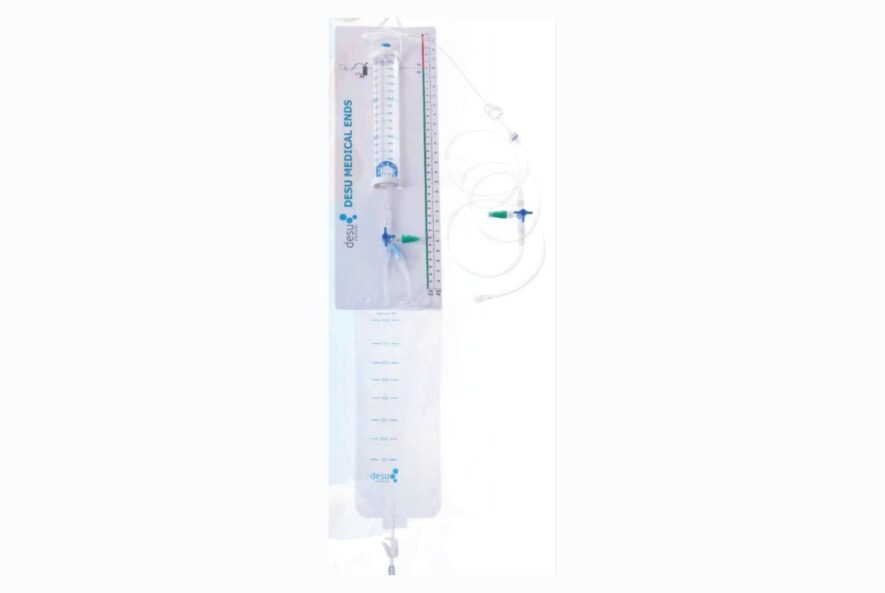
What Are the Hidden Dangers of External Ventricular Drainage Systems?
External ventricular drainage (EVD) systems are essential medical tools commonly used in neurosurgery to relieve intracranial pressure by diverting cerebrospinal fluid. Although their use is often critical, it is important to acknowledge the risks associated with the external ventricular drainage system. Understanding these risks is crucial because they can range from infection to mechanical malfunctions. Complications such as ventriculitis or hemorrhage, although infrequent, pose significant challenges to patient recovery. Yet the benefits often outweigh the potential hazards, especially in emergency situations where swift action is decisive. Discussing these indications and exploring management strategies provides a comprehensive perspective on EVD systems.
Key Points
- External ventricular drainage systems are crucial in managing elevated intracranial pressure, but they come with significant risks.
- Complications such as infection or hemorrhage, although rare, require critical attention and effective management.
- Proper understanding and handling of these systems help balance the necessity and potential hazards effectively.
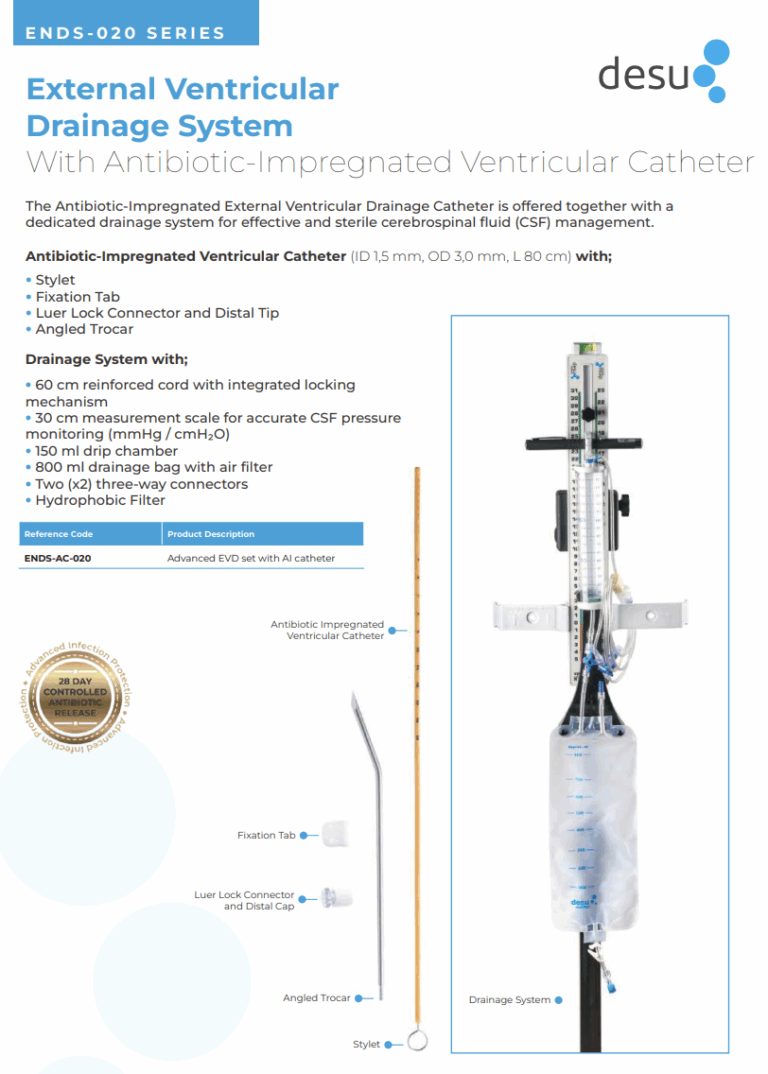
Introduction to External Ventricular Drainage: Crucial Yet Risk-Prone
External Ventricular Drainage (EVD) stands as a critical medical procedure designed to manage excess cerebrospinal fluid in the brain. There are several key indications associated with the external ventricular drainage system, commonly employed to treat conditions such as hydrocephalus, traumatic brain injury, and intracranial hemorrhage. This system involves placing a catheter in the brain’s ventricular system, allowing fluid to drain externally and relieving pressure.
However, the journey does not come without risks associated with the external ventricular drainage system: infection, catheter blockage, and hemorrhage are prevalent concerns. These substantial challenges necessitate meticulous care and attention post-procedure. An understanding of the inherent complications associated with the external ventricular drainage system is pivotal for healthcare professionals to mitigate potential issues.
Management Strategies
The effectiveness of EVD largely depends on adept management. Key management strategies associated with the external ventricular drainage system include:
- Antibiotic Protocols: Ensure prophylactic measures to minimize infection risks.
- Routine Monitoring: Regular assessments help detect early signs of complications.
- Secure Placement: Proper fixation prevents accidental dislodgement and associated hazards.
Despite these challenges, in my opinion, thorough understanding and attention to detail make EVD an indispensable tool in neurology, offering life-saving potential, especially in acute care settings.
Understanding the Complications: What Professionals Need to Know
Professionals in the medical field should approach the management of risks associated with the external ventricular drainage system with a comprehensive understanding. Complications can appear unexpectedly, yet each instance provides a learning opportunity. Infection, hemorrhage, and dislodgement are the most common risks associated with the external ventricular drainage system. However, knowing how to preempt such issues is crucial. High vigilance in sterilization and monitoring procedures plays a pivotal role. Training and simulations might mitigate potential risks, nevertheless, hands-on experience remains invaluable.
Furthermore, while innovation in drainage systems has advanced significantly, the potential for unforeseen complications persists. Therefore, continuous professional development and research engagement are vital. Moreover, peer collaboration can illuminate personal blind spots in handling the delicate risks associated with the external ventricular drainage system, fostering a culture of shared wisdom. Thus, a well-rounded knowledge base, alongside practical experience, forms the cornerstone of adeptly navigating these medical challenges.
Infection Risks Associated with External Ventricular Drainage Systems
The deployment of external ventricular drainage systems (EVDs) poses notable risks associated with infection, which can significantly impact patient health outcomes. Known for their efficacy in mitigating increased intracranial pressure, EVDs require careful management to prevent potential complications. In many cases, healthcare practitioners face challenges in reducing these infection risks, calling for stringent sterilization protocols and monitoring procedures.
Despite these preventive strides, the occurrence of infections such as ventriculitis remains a tangible threat. Numerous studies indicate a correlation between the duration of EVD usage and infection rates, yet defining a safe period remains elusive. The clinical community continues to explore advanced technologies and materials that promise to diminish these infection risks associated with EVD, but uncertainty lingers. Proper training and strict adherence to infection control measures by medical staff are indispensable in averting the potentially devastating consequences associated with infections in patients relying on EVD systems.
The Role of Proper Hygiene and Sterilization in Minimizing Hazards
Ensuring proper hygiene and sterilization is crucial in minimizing hazards within medical environments. Strict adherence to hygiene protocols not only curtails infections but also enhances safety. This is particularly important in contexts where devices such as the *external ventricular drainage system* are used. Despite advances in technology, the risks associated with the external ventricular drainage system can still present significant challenges. Hence, meticulous sterilization procedures are imperative.
Several essential practices can reinforce hygiene measures:
- Thorough cleaning: Every instrument must be meticulously cleaned to eliminate any potential contaminants.
- Effective sterilization: Use appropriate methods such as autoclaving to ensure all bacteria and viruses are eradicated.
- Regular monitoring: Conduct routine checks of sterilization equipment to confirm their efficacy.
The implementation of these hygiene protocols fundamentally reduces *hazards* in medical settings. Ultimately, a consistent commitment to sterile practices is vital in minimizing problems related to risks associated with the external ventricular drainage system and other medical interventions.
How Design Flaws Can Lead to System Failures and Patient Harm
In healthcare, the importance of medical device design often cannot be overstated. Poor design can lead not only to system failures but also ultimately result in significant patient harm. Consideration of usability principles during the design phase is crucial. For example, complex interfaces may increase user error, while ambiguous instructions might lead to improper handling. Risks associated with the external ventricular drainage system illustrate this vividly. These systems, while lifesaving, need careful attention to detail. A poorly designed system may lead to fluid backflow or blockage, both posing a grave threat to patients.
Therefore, thorough testing and validation are essential before deployment. Training and education on the device’s operation also play a critical role in mitigating errors. Ironically, while technological advancements aim to enhance patient care, when design overlooks the end user, these improvements may inadvertently become potential liabilities. Addressing these issues proactively can prevent significant adverse outcomes.
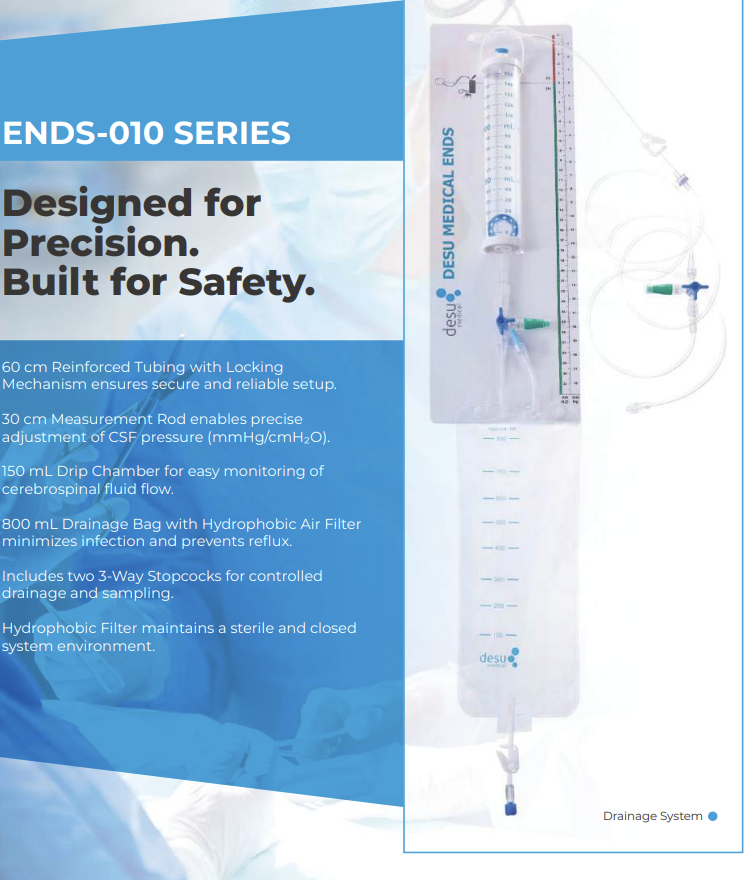
Adverse Side Effects: Potential Neurological Implications
The journey of evaluating medical interventions often demands a keen look at potential neurological side effects. Many therapies present some level of uncertainty in their impact on the brain. These adverse side effects may manifest subtly, with symptoms ranging from mild cognitive impairments to severe neurological disturbances. The gravity of these effects can sometimes be unpredictably profound. Hence, understanding and acknowledging the possible neurological implications is vital.
In my opinion, it’s imperative to delve into the risks associated with the external ventricular drainage system because it plays a crucial role in the neurosurgical field. The system, while life-saving, brings its own set of challenges. For instance, potential infections and mechanical obstructions could inadvertently lead to grave consequences. Nevertheless, the system remains indispensable.
“A device’s virtue is not in its existence but in its appropriate application and vigilance over its side effects.”
Mitigating these risks involves continuous research and vigilance to explore safer, more effective solutions. Even in the presence of uncertainty, progress in medical technology offers hope for better management of inherent risks.
Exploring Hurdles in Monitoring and Maintaining Drainage Systems
Maintaining an efficient drainage system is crucial for urban infrastructure, yet various challenges persist in its monitoring. One primary hurdle is the intricate nature of monitoring mechanisms. These systems require constant attention, as even a minor oversight might lead to significant issues, such as blockages or overflows.
Additionally, terrain irregularities can complicate the maintenance routine. In uneven landscapes, strategically placing monitoring equipment becomes tricky, potentially impacting the accuracy of data collected. Furthermore, unexpected weather changes pose strong obstacles, altering water flow patterns unpredictably.
- Technical complexity: Systems often involve sophisticated technologies, needing specialised skills.
- Resource allocation: Limited budgeting can restrict the procurement of essential monitoring tools.
- Environmental impact: Maintenance activities risk disrupting local ecosystems.
The risks associated with the external drainage systems need careful consideration to avert future complications. Hence, investing in innovative solutions can pave the way for improvements. Regular updates, thorough staff training, and community awareness campaigns may help mitigate these issues effectively.
Strategies for Improving Patient Outcomes and Safety Measures
Enhancing patient outcomes and ensuring robust safety measures require a multidimensional approach. Implementing structured care protocols, for example, can significantly amplify the quality of care. However, understanding the risks associated with the external ventricular drainage system remains essential. Infection rates, catheter occlusion, and unscheduled dislodgment are critical concerns that necessitate meticulous monitoring and prompt intervention. Furthermore, ongoing staff training focused on recognizing early warning signs and implementing best practices is crucial.
Technology also plays a pivotal role; modern monitoring systems provide valuable insights for personalized patient care, thus reducing potential hazards. Likewise, fostering open communication within healthcare teams can bridge gaps in care delivery, ultimately enhancing both satisfaction and safety. Engaging patients in their treatment plans not only empowers them but also contributes to better evaluation of their progress. Continuous feedback collection and analysis ensure that healthcare practices evolve proactively, aligning with the dynamic nature of healthcare needs.
Future Innovations: Reducing Hidden Dangers in Drainage Systems
Throughout urban landscapes, drainage systems quietly perform their duty, guiding water away efficiently. Yet the risks associated with the external ventricular drainage system and its everyday alternatives remain a quiet concern. Although often overlooked, these systems are prone to blockages, structural damage, and pollution, imperiling both infrastructure and ecology. Future innovations aim to address these issues by harnessing technology to monitor and maintain these essential networks. Flood-prevention sensors, smart valves, and high-performance materials are becoming staples in modern drainage engineering.
Because risks associated with the external ventricular drainage system reveal the complexities of fluid management, innovative strategies are crucial. Creative design in urban planning, therefore, ensures increased safety, ultimately reflecting the interconnectedness of technological developments and community well-being. Nevertheless, it’s the subtle risk surveillance improvements that may provide the most unexpected benefits to managing unforeseen challenges, considering risks associated with the external ventricular drainage system as a blueprint. These advancements, therefore, symbolize a future that prioritizes resilience and sustainability in essential public services.
Conclusion
In conclusion, the risks associated with the external ventricular drainage system should not be underestimated, as they underscore the importance of careful management and vigilant monitoring. While this system provides critical benefits in managing intracranial pressure, it also poses potential complications such as infections, hemorrhage, and misplacement, which may have serious repercussions. Therefore, medical professionals must ensure proper handling and adherence to stringent protocols to mitigate these risks.
Patients and their families need to be well informed about potential complications, so they feel empowered to participate in the care process. Through a combination of expertise and communication, the benefits of using the external ventricular drainage system can be maximized while minimizing its inherent dangers.
Frequently Asked Questions
What is an external ventricular drainage (EVD) system?
An external ventricular drainage (EVD) system is a medical device used to relieve elevated intracranial pressure and drain cerebrospinal fluid (CSF) from the ventricles of the brain to an external collection system.
What are the main risks associated with the use of an EVD system?
The main risks include infection, haemorrhage, catheter obstruction, and malposition. There is also a risk of over-drainage or under-drainage of cerebrospinal fluid.
How does infection occur with EVD systems?
Infection can occur when bacteria are introduced during the procedure or through the catheter itself. Strict aseptic techniques are essential to minimize this risk.
What can be done to reduce the risk of complications from EVD systems?
Adherence to strict aseptic protocols during insertion and maintenance, regular monitoring for signs of infection or blockage, and proper securing and positioning of the catheter can help reduce risk.
How is over-drainage or under-drainage of CSF prevented?
Careful monitoring of the EVD system, adjustment of drip chamber height, and regular assessment of the patient’s neurological status are crucial to prevent over- or under-drainage.
What are symptoms of an EVD infection I should look out for?
Symptoms can include fever, headache, neck stiffness, or altered mental status. Any signs of infection at the insertion site, like redness or swelling, should also be noted.
How often should an EVD system be monitored?
EVD systems should be monitored continuously with regular assessments by healthcare professionals to ensure proper function and detect any complications early.
What should I do if I suspect a complication with the EVD system?
Contact healthcare professionals immediately if you suspect any complication such as leakage, blockage, or signs of infection. Prompt intervention is critical.
Can patients with EVD systems move or be repositioned?
Yes, but movement should be done cautiously. The patient’s head should be balanced with the EVD system to avoid over-drainage or under-drainage, and healthcare providers should always be consulted.
How long can an EVD system remain in place safely?
The duration varies depending on patient needs and medical advice but is generally limited to few days to weeks to minimize the risk of infection. Long-term solutions are typically considered for chronic issues.
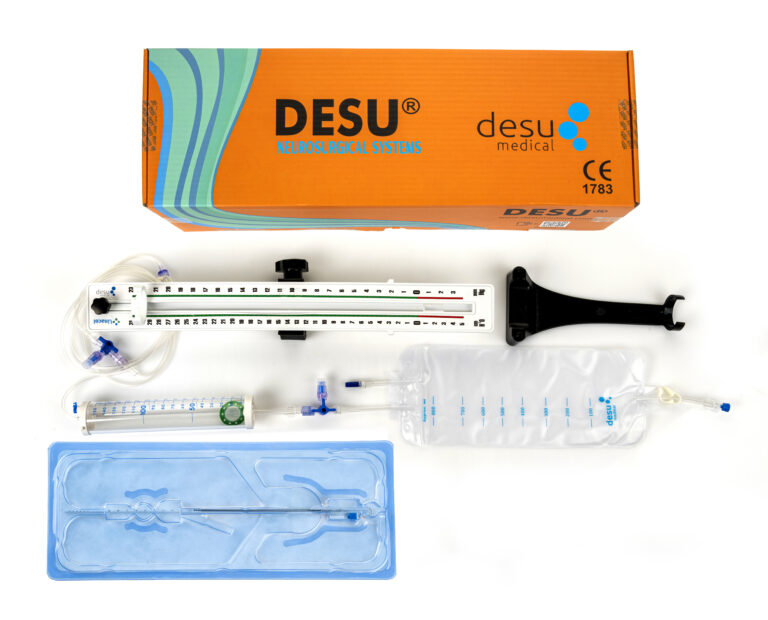
For more information, visit Desu.
If you would like to receive detailed information about DESU Medical products or explore distributorship and partnership opportunities, please do not hesitate to contact us. Our team will be happy to support you with product specifications, certifications, pricing structures, and collaboration models tailored to your market and needs.
For sales inquiries, product catalogs, and distributorship requests, you may reach us directly at [email protected]
We look forward to building long-term, value-driven partnerships and supporting healthcare professionals with reliable, high-quality medical solutions.
