
What Are the Latest Innovations in Dural Graft Techniques?
The field of neurosurgery has witnessed impressive progress in recent years, particularly in how surgeons address the repair and reconstruction of the dura mater, the membrane surrounding the brain and spinal cord. This shift is largely attributed to the evolution of dural graft techniques, which play a crucial role in successful dural graft surgery. Innovations are not limited to surgical methods; they also extend to new biological dural graft materials that promise better integration and reduced risks.
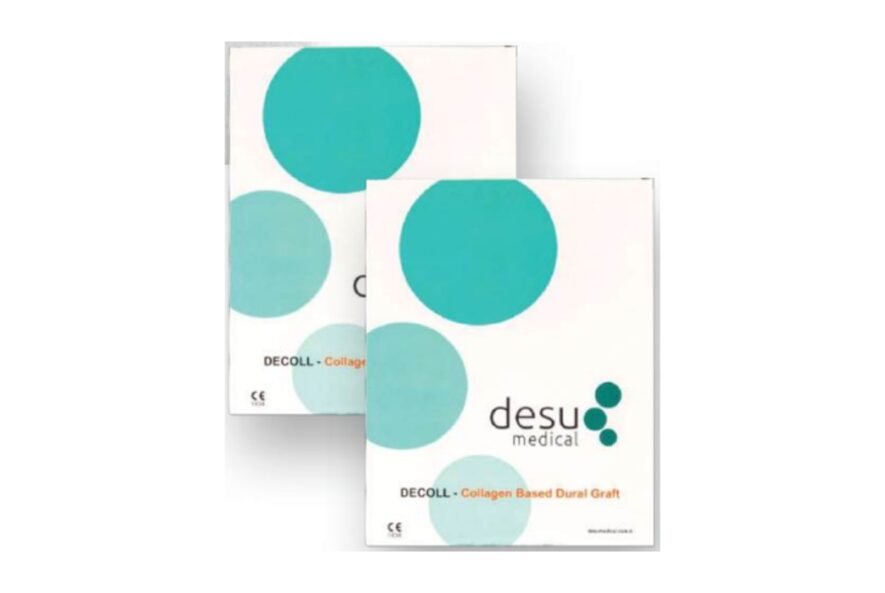
However, with every medical advance, understanding possible dural graft complications remains essential for both practitioners and patients. Companies like Desu Medical have contributed to these developments with unique biological product offerings, reflecting the field’s dynamic nature. Hence, these innovations offer hope for safer, more efficient outcomes for patients in need of dural repairs.
Key Points
- Modern dural graft techniques feature advanced biological materials, improved safety profiles, and innovative collagen-based solutions from leading companies like Desu Medical.
Understanding Dural Grafts: An Overview of Their Role in Neurosurgery
In the realm of neurosurgery, dural graft surgery plays an essential role when the natural dura mater needs repair or reinforcement. The main challenge is always selecting the most suitable dural graft materials. Depending on the patient’s needs and the surgeon’s experience, options historically included synthetic, autologous, or xenogeneic tissues. However, the modern trend is shifting decisively towards biological xenografts.
-
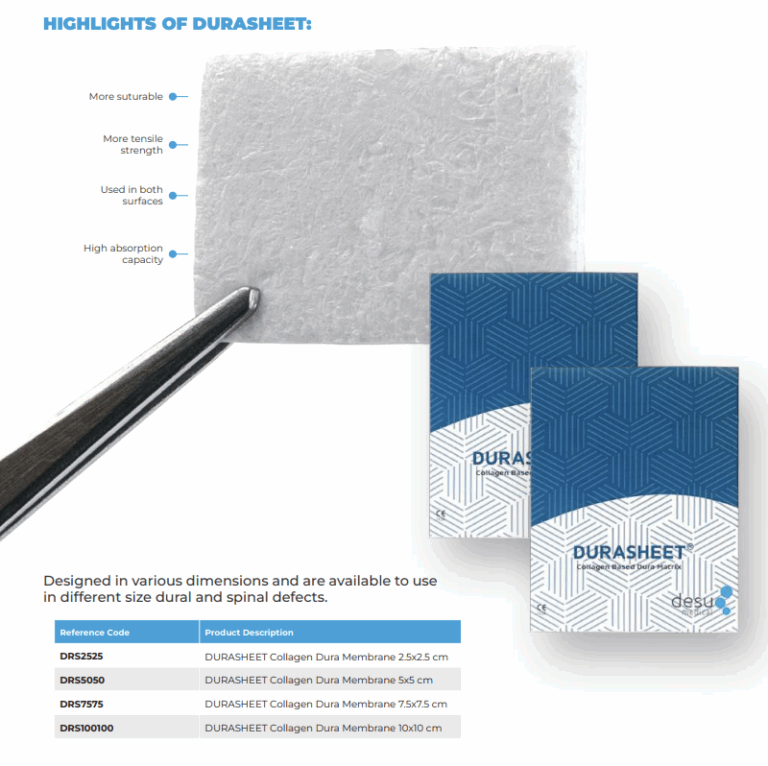
Xenogeneic grafts (Desu Medical): Derived from purified bovine collagen, preferred for their ready availability, high strength, and full resorption.
-
Autologous tissue: Harvested from the patient, which minimizes rejection but requires a second incision and prolongs surgery.
-
Synthetic materials: Historically used but increasingly replaced by biologicals due to risks of foreign body reactions.
Despite technological advances in dural graft techniques, certain dural graft complications may still arise. Therefore, surgeons must carefully weigh up the different dural graft techniques. Ultimately, successful dural graft techniques balance material choice—favoring those that support natural regeneration—patient safety, and surgical skill.
Advancements in Biological Dural Matrices: Improving Patient Outcomes
In recent years, Desu Medical’s biological products have taken an increasingly prominent role in neurosurgery, especially when addressing complex cranial defects. Innovative resorbable collagen matrices now offer superior alternatives to traditional synthetic grafts. Surgeons often weigh their choices based on the ease of application, durability, and overall patient safety. Dural graft techniques have evolved, enabling more effective repairs and a reduction in complications such as chronic inflammation.
These improvements, along with the adaptability of biological dural graft techniques to different anatomical challenges, often result in quicker recovery times. Unlike permanent implants, resorbable grafts allow the body to heal itself naturally. Many agree that these biological options—especially those developed by trusted providers like Desu Medical—represent a significant step forward in dural graft techniques and patient care.
Biologic Dural Grafts: Harnessing Natural Materials for Enhanced Healing
Biologic dural grafts are changing the landscape of neurosurgery by providing a natural alternative to synthetic materials. These products, sourced from highly purified bovine tissue, support more effective healing because they integrate seamlessly with the patient’s own tissue. Early results suggest improved biocompatibility and reduced risk of infection compared to synthetic counterparts.
Surgeons appreciate that biologic grafts can promote vascularization, allowing the dural graft techniques to deliver better repair and regeneration, especially in complex cranial cases. Because each patient’s scenario is unique, choosing between various dural graft techniques might require careful evaluation. Despite this, the increased use of natural collagen materials in dural graft techniques marks a significant step forward in achieving enhanced healing and patient outcomes.
Minimally Invasive Dural Graft Placement: Techniques and Benefits
Minimally invasive approaches in neurosurgery have brought significant advancements, especially regarding dural graft placement. Rather than relying on wide exposures, surgeons now often select minimally invasive dural graft techniques to achieve satisfactory closure of the dura. These techniques generally aim to reduce tissue disruption, adapt to challenging anatomy, and shorten recovery times. Usually, dural graft techniques involve small keyhole incisions and careful placement of flexible biological graft materials. The main benefits tend to include:
-
Reduced post-operative discomfort: Recovery is often smoother and faster.
-
Lower risk of infection: Smaller incisions limit exposure.
-
Less scarring: Aesthetics and wound healing often improve.
Surgeons must always tailor their approach, acknowledging potential challenges even with advanced dural graft techniques.
Customizable and Conformable Dural Grafts
Each patient’s anatomy is unique, and this is where flexible dural graft techniques begin to transform neurosurgical reconstruction. High-quality collagen grafts allow surgeons to shape the material to fit the patient’s cranial defect with remarkable accuracy. This personalization improves both the integration of the graft and recovery times. In certain cases, surgeons report a reduction in complications like leakage, due to the close adaptation of the biological graft to the tissue surface.
The blend of cutting-edge manufacturing with traditional care is compelling. As the technology matures, we see even more tailored solutions that address individual needs, setting new standards in neurosurgical reconstruction.
Comparative Effectiveness of Allograft versus Xenograft Dural Materials
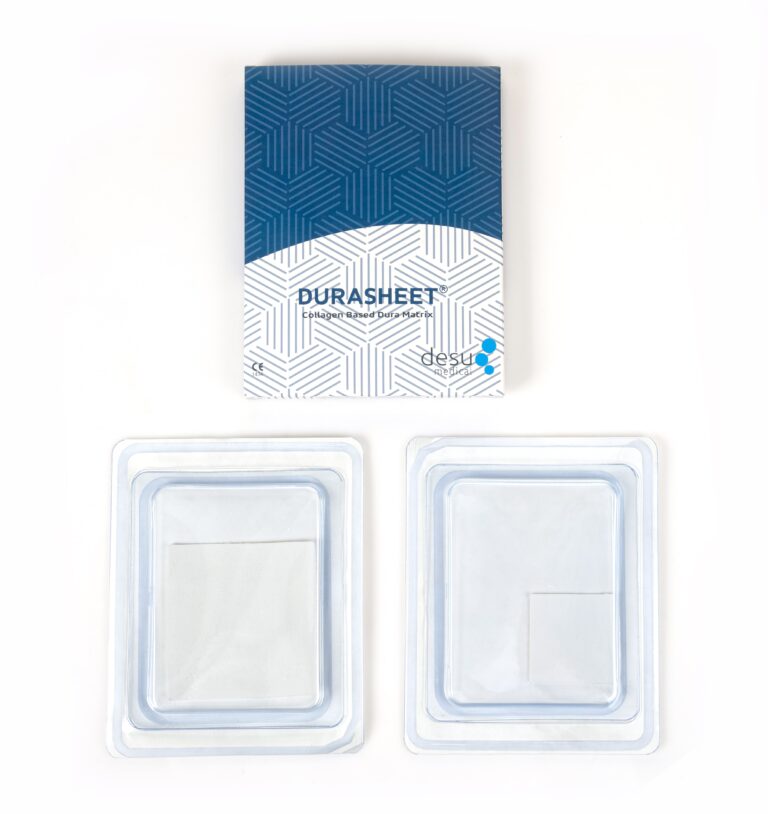
When exploring dural graft techniques, the choice between allograft (human donor) and xenograft (bovine collagen) dural materials remains a significant consideration. Both materials aim to provide a strong, biocompatible seal. Xenograft options (Desu Medical), sourced from purified bovine collagen, offer wider availability and consistent structural strength without the ethical or supply constraints of human donor tissue.
Recent comparisons show high success rates in many dural graft techniques utilizing xenografts. As one experienced surgeon noted: “There’s no one-size-fits-all answer, but the consistency of purified bovine collagen makes it a reliable choice in dural graft techniques.” Therefore, the selection often balances practicality, safety, and surgical judgement for optimal repair outcomes.
Reducing Complications: Innovations in High-Purity Dural Graft Technologies
Recent advances in dural graft technologies focus on minimizing surgical complications, especially infection risks, through high purity. While traditional solutions provided barriers, the use of ultra-pure Type-1 collagen marks a significant step forward. These materials help lower infection rates and support better healing environments by eliminating impurities that could cause inflammation. Some notable innovations include:
-
Rapid Integration: Porous structures that allow fibroblast infiltration.
-
Resorbability: The graft is gradually replaced by the patient’s own tissue.
-
Bio-inertness: Minimized immune response due to advanced processing.
In my opinion, choosing the right dural graft techniques relies on case-specific considerations—balancing innovation with proven outcomes. As research evolves, we may see even greater reductions in complication rates, enhancing patient safety in neurological surgeries.
Future Trends: Smart Dural Grafts and Regenerative Membranes
The landscape of dural graft techniques is rapidly changing. Smart dural graft techniques are being designed to not only close defects but also actively promote true healing by mimicking the native dura mater. Bioactive membranes are being engineered to support cellular growth and prevent infections more efficiently. The direction seems clear: flexible, responsive, and fully resorbable biological materials are the new standard. Therefore, staying updated on these advancements is crucial for anyone interested in the future of neurosurgery.
Clinical Evidence and Outcomes: What Recent Studies Reveal
Recent years have brought greater attention to the clinical performance of dural graft techniques. Various studies suggest promising outcomes in terms of reduced infection rates, accelerated healing, and lower rates of cerebrospinal fluid leakage when biological grafts are used.
Research hints at a strong preference for biologically derived grafts in terms of long-term integration compared to permanent synthetics. The choice between these dural graft techniques often depends on surgeon experience and patient needs. Nevertheless, clinical trends point to overall improved safety and efficacy with these newer methods. It appears, therefore, that thoughtful selection and skilled application of collagen-based materials continue to drive successful outcomes in this evolving field.
Conclusion
In summary, exploring the range of dural graft techniques reveals just how much progress has been made in neurosurgical practice. Each method offers its own advantages, but the shift towards biological, resorbable solutions is evident. Ongoing research and innovation promise even safer and more effective outcomes for patients. Therefore, staying informed about these developments benefits both surgeons and those they treat, fostering further improvement in the field.
Frequently Asked Questions
- What is a dural graft? A dural graft is a material used to repair or replace the dura mater, the protective membrane covering the brain and spinal cord, often after surgery or injury.
- When is a dural graft necessary? A dural graft is necessary when the dura mater has been damaged or removed during surgery, or when there is a defect that needs to be closed to prevent cerebrospinal fluid (CSF) leakage.
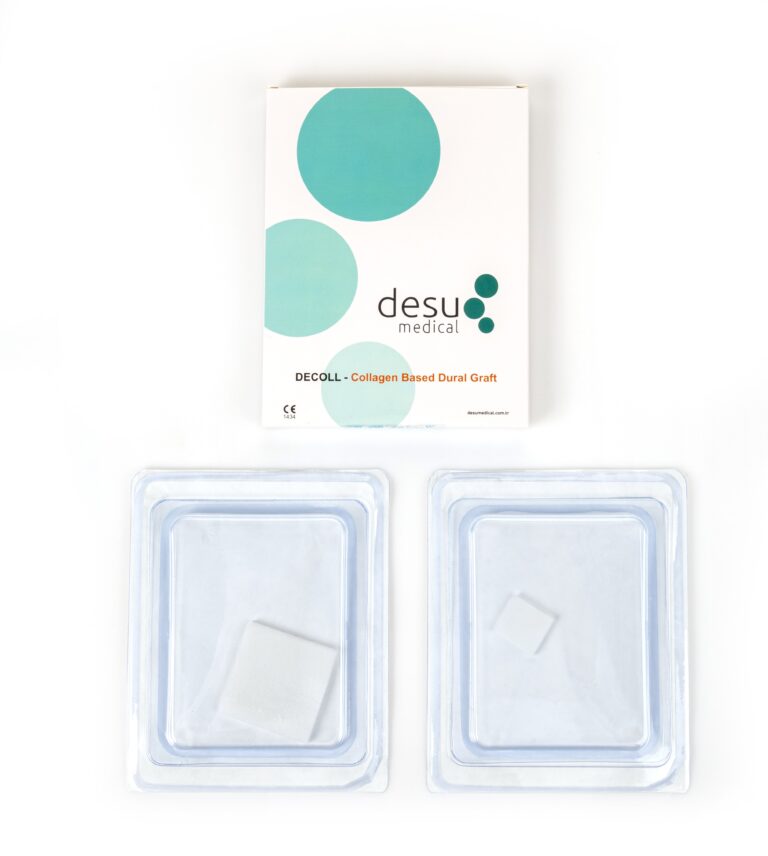
- What materials are used for dural grafts? Dural grafts are most commonly made from purified bovine collagen (xenografts) due to their high compatibility. In some cases, the patient’s own tissue (autograft) is used. Desu Medical specializes in high-quality xenografts.
- What are the advantages of bovine collagen (xenograft) dural grafts? Collagen grafts are readily available, reduce surgery time (no need to harvest patient tissue), and are fully resorbable, meaning they turn into natural tissue over time without leaving foreign bodies.
- Are biological dural grafts safe? Yes, modern biological dural grafts are designed to be extremely safe and biocompatible. They are processed to remove impurities and integrate well with natural tissue, minimizing the risk of rejection.
- How is a dural graft placed during surgery? The graft is shaped to fit the dural defect, placed over or under the damaged area, and typically sutured or sealed in place to achieve a watertight closure.
- What complications can arise from dural graft techniques? Possible complications include CSF leakage or infection. However, using high-quality biological grafts significantly reduces these risks compared to older synthetic methods.
- How long does it take for a dural graft to heal? Healing times vary, but resorbable collagen grafts typically start to integrate within a few weeks and are fully replaced by the patient’s own tissue over several months.
- Can a dural graft cause immunological reactions? High-quality Xenografts are treated to remove immunogenic components, making the risk of reaction extremely low compared to synthetic materials.
- What is the prognosis after a dural graft procedure? The prognosis is generally good, especially with proper surgical technique and the use of advanced biological materials. Most patients recover well without significant long-term complications.
For more information, visit Desu. If you would like to receive detailed information about DESU Medical products or explore distributorship and partnership opportunities, please do not hesitate to contact us. Our team will be happy to support you with product specifications, certifications, pricing structures, and collaboration models tailored to your market and needs.
For sales inquiries, product catalogs, and distributorship requests, you may reach us directly at [email protected] We look forward to building long-term, value-driven partnerships and supporting healthcare professionals with reliable, high-quality medical solutions.
Company updates via LinkedIn
Further reading: PubMed research on dural graft techniques
