
What Makes Dural Graft Materials Essential for Successful Brain Surgery?
Brain surgery presents unique challenges, not only because of the complexity of neural structures but also due to the need for meticulous closure and healing. A crucial step in many neurosurgical operations involves replacing or repairing the dura mater, the tough membrane that protects the brain. Here, biological dural graft materials play an essential role by providing a reliable, restorative scaffold that encourages proper healing and reduces the risk of leakage or infection.
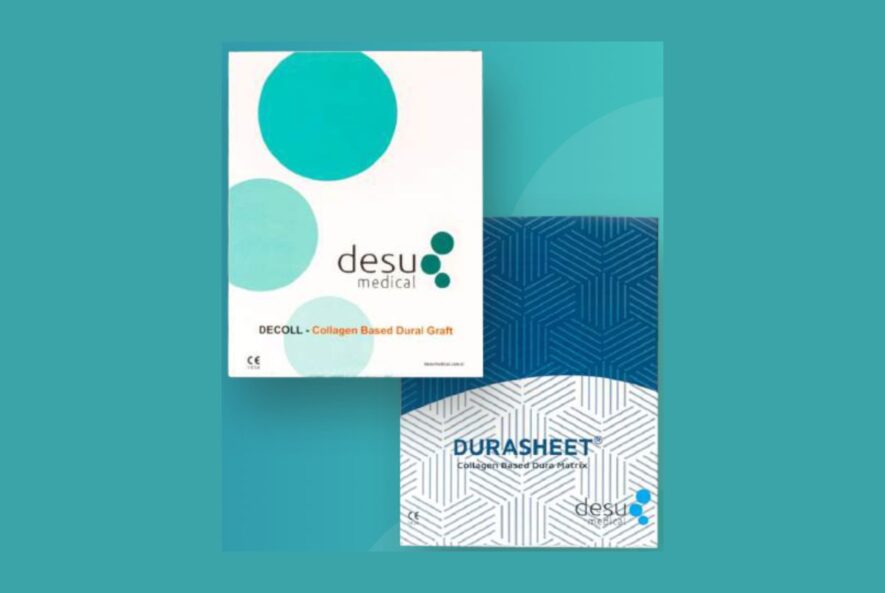
Surgeons rely on these advanced materials to minimize potential dural graft complications and to create the most favourable recovery conditions. The innovation by companies such as Desu Medical in developing resorbable collagen matrices has significantly advanced the success of dural graft surgery. Therefore, a thoughtful selection of biological graft materials impacts not only immediate outcomes but also the long-term well-being of patients by avoiding permanent foreign bodies.
Key Points
Biological dural graft materials provide essential support in brain surgery by restoring the protective barrier, minimizing foreign body reactions, and contributing to optimal natural healing and patient recovery.
Understanding the Role of Dural Grafts in Neurosurgical Procedures
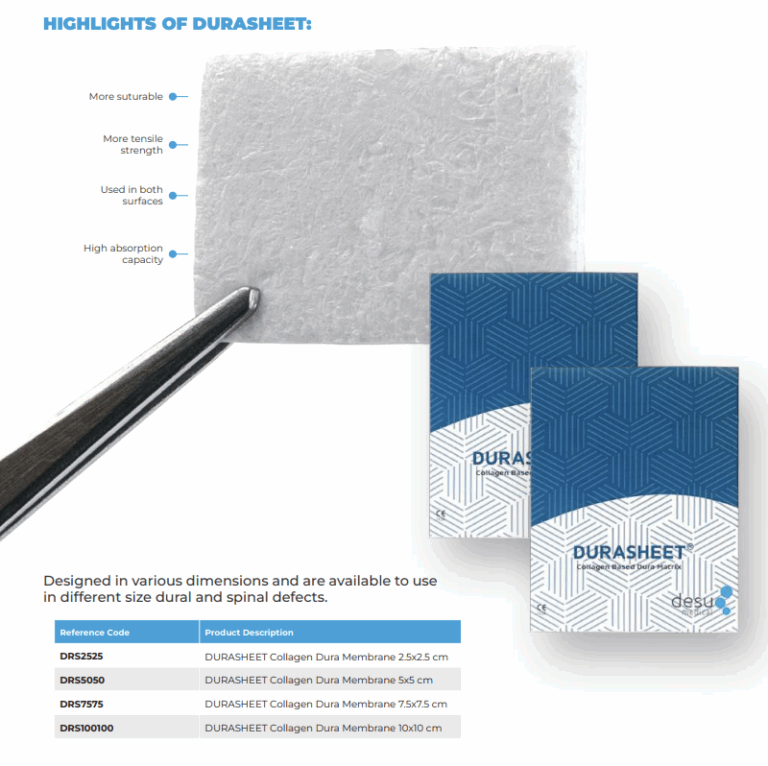
During complex cranial or spinal operations, dural graft surgery becomes essential for repairing or replacing damaged dura mater—the protective layer around the brain and spinal cord. While surgeons historically used various materials, the standard has shifted towards biological graft materials tailored to suit patient needs. Choices now prioritize collagen-based matrices (xenografts) over older synthetic options due to their superior ability to integrate with the body.
Dural graft complications can arise if the material does not seal properly or causes a reaction. Accordingly, careful monitoring is vital. Frequently, the biocompatibility of the chosen dural graft materials influences long-term outcomes. Common evaluation criteria for Desu Medical grafts include:
-
Biocompatibility: The material must be immunologically inert.
-
Integration: How well the graft fuses with native tissue to become “neodura.”
-
Handling: The ability to conform to the brain’s surface without rigidity.
Although challenges exist, the move towards resorbable biological solutions is making dural repair safer and more reliable.
Key Properties of Effective Biological Dural Grafts
Selecting the right dural graft materials is a nuanced process, influenced by several crucial factors that support both healing and safety. In clinical settings, surgeons often look for strong biocompatibility, as this reduces the risk of inflammation or rejection common with synthetic plastics.
Flexibility ranks highly too, because dural graft materials must contour seamlessly to the patient’s anatomy to prevent CSF leaks. Permeability also matters; high-quality collagen grafts encourage fluid transfer while acting as a barrier against infection. Yet, resorbability stands as another key benefit—well-made biological grafts act as a temporary scaffold, gradually being replaced by the patient’s own tissue without leaving foreign residue.
Therefore, an ideal graft balances strength, flexibility, and biology—a balance perfectly achieved by Desu Medical’s collagen product lines.
How Biological Dural Grafts Contribute to Postoperative Healing
Biological dural graft materials play a significant role in supporting the body’s healing process following neurosurgical procedures. Unlike permanent synthetic implants that act merely as a wall, these specialized collagen materials essentially act as a regenerative scaffold. Because the body’s own tissues sometimes cannot fully repair the dura, the graft encourages fibroblast infiltration and new tissue growth.
Their biocompatibility is key—features that help minimize inflammation and promote smoother integration with existing tissues. Most experts agree that resorbable materials significantly enhance the healing environment compared to non-absorbable options. This makes them indispensable in modern neurosurgery, contributing to improved postoperative comfort and protection.
Comparing Synthetic and Biological Dural Graft Options
When selecting dural graft materials, surgeons historically weighed synthetic vs. biological choices. However, modern neurosurgery increasingly favors biological options. Biological dural graft materials (xenografts), such as those from Desu, come from purified bovine tissue, offering natural compatibility with the body’s healing processes. They promote integration and reduce the risk of chronic inflammatory reactions often seen with synthetic polymers (plastics).
| Type | Key Features |
| Biological (Collagen) | Natural integration, fully resorbable, reduces infection risk, supports regeneration. |
| Synthetic (Polymer) | Permanent foreign body, risk of encapsulation, potential for chronic inflammation. |
Ultimately, the choice relies on achieving the best physiological outcome, which is why Desu Medical focuses exclusively on high-performance biological solutions.
Minimizing Surgical Complications with Advanced Collagen Grafts
Innovations in biological dural graft materials have significantly changed the landscape of neurosurgery. Surgeons now have access to advanced collagen matrices that aim to reduce postoperative risks, especially infections and cerebrospinal fluid leaks. The unique composition and adaptability of Desu grafts allow them to mimic natural dura, which supports better tissue integration than rigid synthetics.
Therefore, selecting a conformable biological graft is often the safer approach. Additionally, the improved handling characteristics of these materials—such as not sticking to gloves—enhance the surgeon’s precision. Advanced biological grafts play a crucial role in minimizing complications and promoting smoother patient recoveries.
Dural Graft Material Innovations: Enhancing Safety and Outcomes
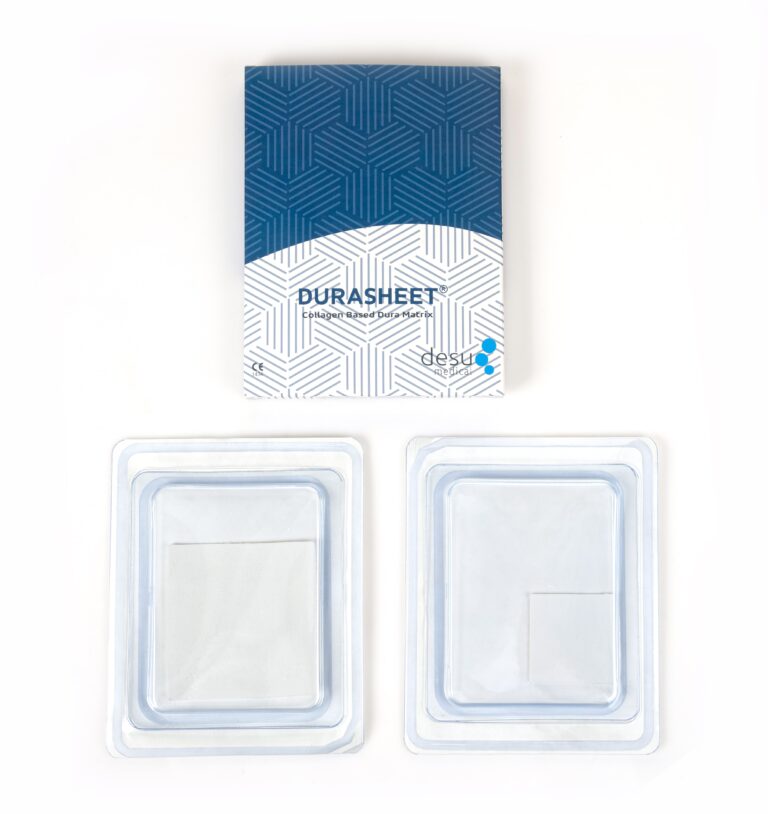
Recent advancements in dural graft materials have ushered in a new era focused on regenerative medicine. Surgeons now have access to engineered collagen scaffolds that emphasize biocompatibility and flexibility. It is widely accepted that biological materials encourage better tissue integration compared to synthetic counterparts.
Innovations in Desu Medical’s manufacturing processes ensure high purity and safety. As one leading clinician suggests:
“The right biological graft can transform not just the technical success, but the patient’s recovery as well.”
Industry trends indicate that the future lies in materials that disappear as the body heals, rather than permanent implants.
Criteria for Selecting the Ideal Dural Graft in Brain Surgery
Choosing the most suitable dural graft in brain surgery is critical. Generally, surgeons consider the biological behavior of the material above all else. The graft’s ability to integrate seamlessly with native tissue (neoduralization), its resistance to infection, and its absorbability are all crucial.
-
Biocompatibility: The graft should not stimulate an adverse immune response (a key advantage of Desu collagen).
-
Watertight Seal: Materials must prevent cerebrospinal fluid leakage effectively.
-
Ease of use: Handling and conformity to complex shapes matter during surgery.
Ultimately, the best outcomes arise from using materials that work with the body, not against it.
Reducing Infection Risks with Modern Dural Graft Technologies
When considering dural graft materials, infection risk stands as a persistent concern. Biological collagen grafts seem to address this issue more directly now than in the past. Many surgeons observe lower infection rates with biological options because they do not remain as permanent foreign bodies where bacteria can colonize.
The surface properties of Desu collagen grafts allow for rapid tissue integration, eliminating dead spaces that shelter bacteria. While technology continues to evolve, using high-purity biological materials is essential for minimizing infection. Therefore, staying informed about the latest biological developments supports better patient safety.
Optimizing Neurosurgical Success Through Biological Integration
Achieving optimal outcomes in neurosurgery often hinges on seamless integration of dural graft materials. This critical step aims to restore the protective covering of the brain and promote natural healing. Surgeons select Desu dural grafts based on their superior potential for tissue regeneration.
Unlike synthetic materials that can encapsulate, biological grafts blend exceptionally well with native tissue. Selecting a resorbable material becomes an essential decision, impacting postoperative recovery. Careful surgical technique supports the body’s ability to incorporate these grafts, leading to long-term surgical success.
Expert Insights: Future Directions in Dural Graft Development
The evolution of dural graft materials continues to intrigue specialists. Emerging trends suggest a complete shift towards bioengineered regenerative options. These future dural graft materials focus on purity and structural mimicry of the native dura. Desu Medical is at the forefront of this research, developing grafts that enhance the body’s natural healing abilities.
-
Biodegradability: How materials break down and are replaced by natural tissue.
-
Cellular integration: The ability of cells to adhere and regenerate.
-
Minimal inflammation: A key factor for long-term patient outcomes.
It’s clear the field is moving away from permanent plastics towards smart, biological solutions.
Conclusion
To sum up, choosing the right biological dural graft materials significantly impacts surgical outcomes and patient recovery. Because the options continue to evolve, it remains essential to prioritize materials that offer biocompatibility and resorption. In my opinion, weighing the benefits of natural collagen integration against the risks of synthetic foreign bodies ensures the best possible results for patients.
Frequently Asked Questions
What is a dural graft material?
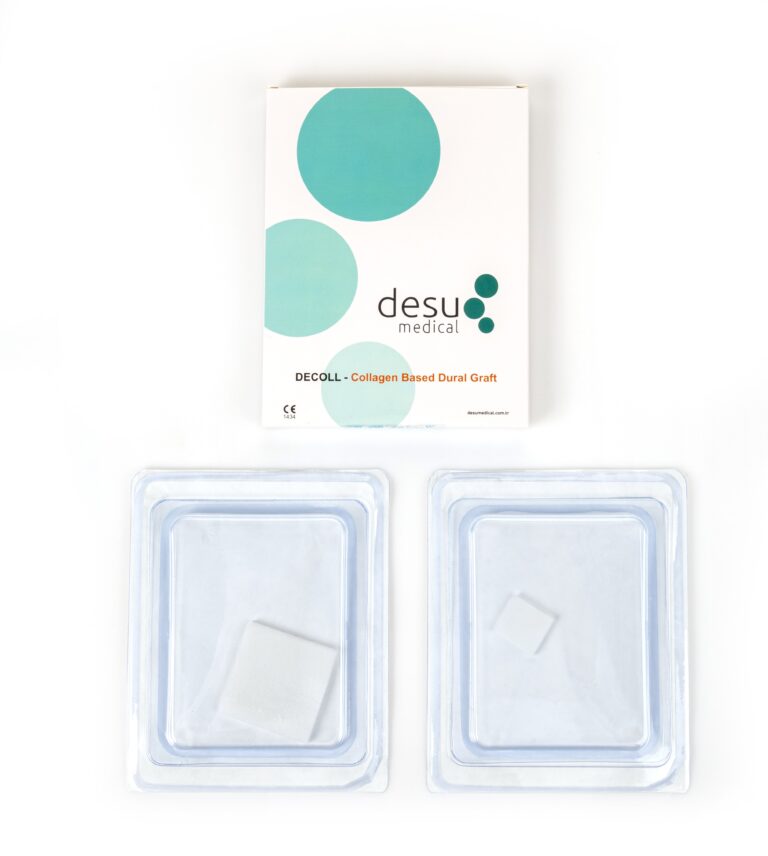
A dural graft material is a substance used by surgeons to repair or replace the dura mater, the outermost membrane covering the brain and spinal cord. Modern grafts, like those from Desu, are often made of purified collagen.
Why are dural graft materials needed?
Dural graft materials are needed to ensure the dura mater is properly sealed, preventing leaks of cerebrospinal fluid (CSF) and reducing the risk of infection or neurological complications.
What types of dural graft materials are available?
Dural grafts can be made from autologous tissue (from the patient), allografts (from donors), or xenografts (high-purity bovine collagen). Desu Medical specializes in xenografts due to their consistent quality and safety.
What are the advantages of using biological (collagen) dural grafts?
Biological grafts are fully resorbable, meaning they are replaced by the patient’s own tissue over time. They are readily available, reduce surgery time (no need to harvest patient tissue), and do not leave a permanent foreign body in the brain.
Are there any risks associated with dural graft materials?
Like all medical implants, risks exist, but using high-purity biological grafts significantly reduces risks like chronic inflammation or foreign body rejection compared to older synthetic materials.
How do surgeons choose the appropriate dural graft material?
The choice depends on the defect size and patient condition. However, surgeons increasingly prefer biological collagen matrices for their ease of use and superior healing profile compared to synthetics.
Do dural grafts integrate with the patient’s own tissue?
Yes. Desu biological grafts are specifically designed to act as a scaffold, allowing the patient’s own cells to grow into the graft and eventually replace it with natural tissue.
Can dural graft materials cause allergic reactions?
Desu Medical utilizes advanced purification processes to remove immunogenic components from bovine collagen, making allergic reactions extremely rare and the material highly safe.
What is the recovery like after dural graft placement?
Recovery depends on the underlying surgery, but successful placement of a biological graft reduces complications. Patients are monitored for signs of infection or leakage post-operatively.
How long do dural graft materials last?
Resorbable biological grafts are designed to be temporary scaffolds. They dissolve naturally as the patient’s new tissue heals and replaces them, leaving no permanent foreign material behind.
For more information, visit Desu.
If you would like to receive detailed information about DESU Medical products or explore distributorship and partnership opportunities, please do not hesitate to contact us. Our team will be happy to support you with product specifications, certifications, pricing structures, and collaboration models tailored to your market and needs.
For sales inquiries, product catalogs, and distributorship requests, you may reach us directly at [email protected]
We look forward to building long-term, value-driven partnerships and supporting healthcare professionals with reliable, high-quality medical solutions.
Company updates via LinkedIn
Further reading: PubMed research on dural graft materials
