
What to Expect During an External Ventricular Drainage System Procedure?
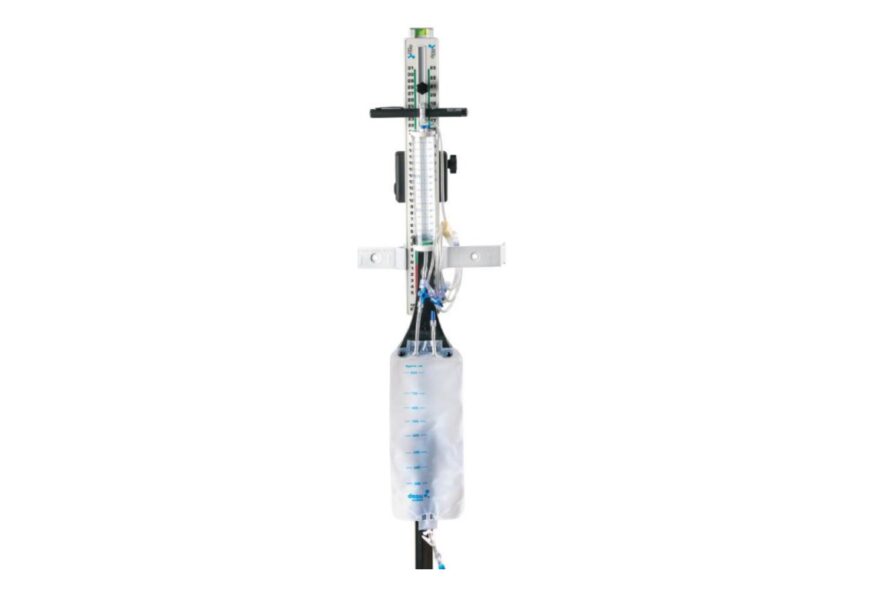
If you or a loved one is scheduled for an External Ventricular Drainage System procedure, it’s natural to feel uncertain. This medical intervention is designed to relieve pressure in the brain by allowing excess cerebrospinal fluid to drain, bringing significant benefits in urgent neurological situations. Understanding what happens before, during, and after the process can help ease concerns and improve comfort. The steps involved may sound complex; however, experienced healthcare teams use cutting-edge devices like desu medical’s evd array to ensure safety and efficiency.
Although certain complications can arise, thorough monitoring and clearer communication between you and your medical team are invaluable. Exploring each stage of the procedure will shed light on how it supports recovery and why it remains a vital tool in modern neurosurgery.
Key Points
- The External Ventricular Drainage System procedure is crucial in managing brain pressure, involves advanced equipment such as desu medical’s evd array, and requires careful monitoring due to potential complications and notable benefits.
Understanding the Purpose of an External Ventricular Drainage System
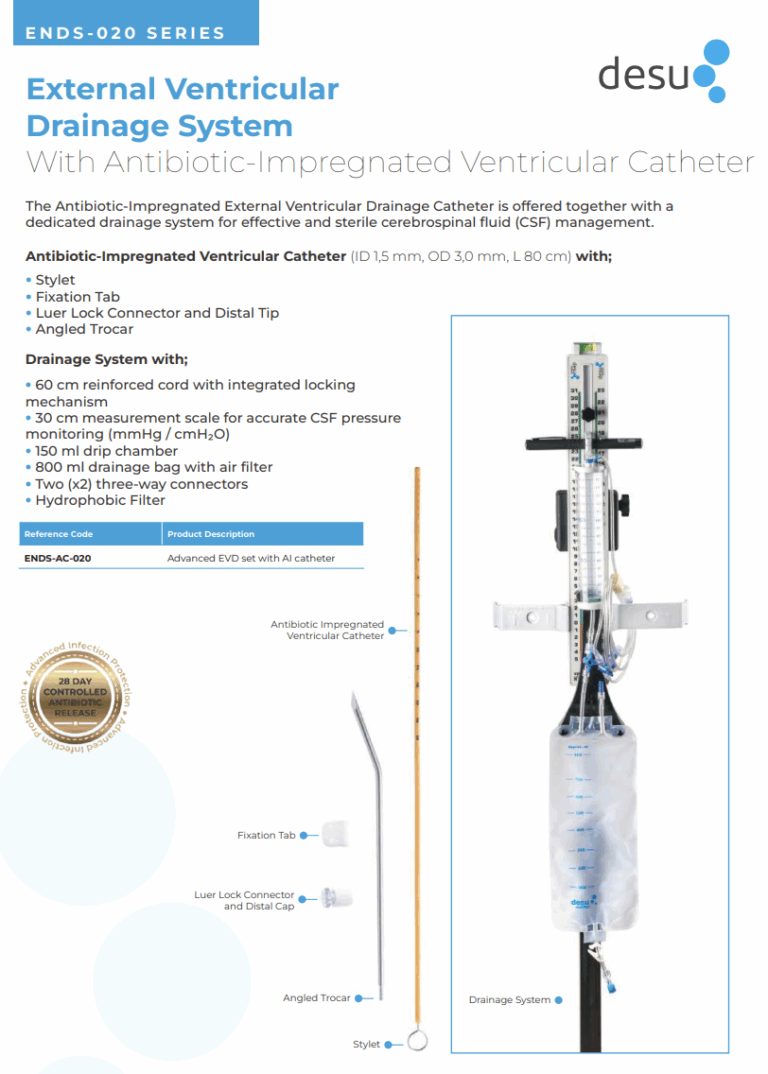
The External Ventricular Drainage System is a medical device designed to relieve pressure within the brain by draining excess cerebrospinal fluid. This is particularly crucial when swelling or bleeding threatens normal brain function. The External Ventricular Drainage System benefits include rapid reduction of intracranial pressure and offering vital diagnostic information, which greatly aids in patient management. Some believe these systems are only used in severe situations; however, their applications can be quite broad.
The External Ventricular Drainage System procedure generally involves inserting a catheter into the ventricular system through a small skull opening. In this context, insertion, drainage, and monitoring stand out as essential steps of the External Ventricular Drainage System procedure, though techniques may vary. Potential External Ventricular Drainage System complications include infection, obstruction, and over-drainage. Nevertheless, with skilled care, such risks are manageable, and the benefits often outweigh the drawbacks.
Pre-Procedure Preparations: How to Get Ready for EVD Placement
Preparing for an External Ventricular Drainage System procedure can be a sensitive time, so approaching it step by step is helpful. Patients are usually asked to fast for several hours, though protocols may vary depending on hospital guidelines. Most importantly, ensuring your medical team has your full history, including allergies and any current medications, is crucial. Some discomfort or uncertainty may be expected, but communication is vital—don’t hesitate to ask questions. On the day of the External Ventricular Drainage System procedure, you’ll likely be given specific instructions related to hygiene and attire.
Additionally, if you’re receiving a desu medical’s evd, specialized checks and calibrations may be carried out beforehand. Family members might not be able to accompany you past a certain point, yet their support remains valuable. Nevertheless, coming prepared can ease your mind and help ensure a safe, smooth External Ventricular Drainage System procedure.
Step-by-Step Overview of the External Ventricular Drainage Procedure
The External Ventricular Drainage System procedure is a delicate process that involves several careful steps. Initially, medical staff cleanse and prepare the scalp, ensuring a sterile field to reduce infection risk. A small incision is made, followed by the careful drilling of a hole into the skull. Through this entry point, a catheter is gently guided into the brain’s ventricle, allowing for precise cerebrospinal fluid drainage. Throughout the External Ventricular Drainage System procedure, monitoring is essential, because the catheter’s placement directly affects outcomes.
Medical teams rely on subtle cues and sometimes make slight adjustments, as patient anatomy can vary. Once satisfied with the position, the surgeon secures the catheter and connects it to the drainage system. Although the steps seem straightforward, each phase of the External Ventricular Drainage System procedure requires intense concentration and teamwork, especially during monitoring and adjustment, to support patient safety and successful recovery.
What Happens During EVD System Insertion in the Operating Room?
The External Ventricular Drainage System procedure takes place in a sterile environment, typically the operating room. The medical team prepares the patient and, after careful assessment, a neurosurgeon marks the correct entry point on the scalp. Although exact steps may vary, certain elements remain standard. To clarify, the goal is to guide a thin catheter into one of the brain’s ventricles to drain excess cerebrospinal fluid and relieve pressure.
- Preparation: patient receives anesthesia, and the head is positioned.
- Incision: a small cut is made in the scalp.
- Tunneling: the surgeon gently advances the catheter into the ventricle.
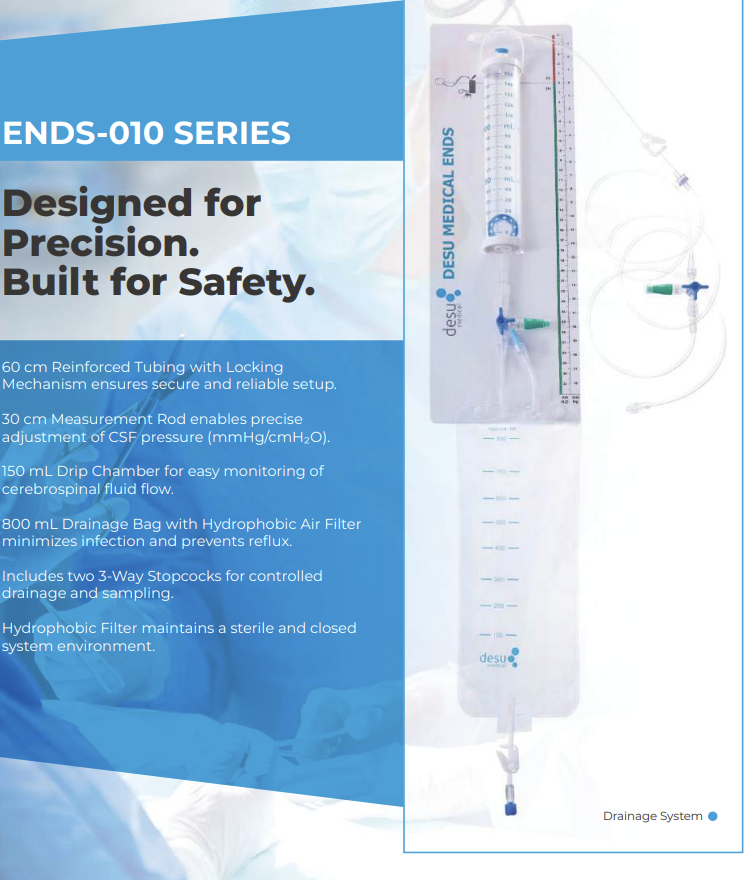
- Connection: the catheter connects to an external drainage and monitoring system.
- Securing: the device is anchored, and the site is cleaned and covered.
Placement in the External Ventricular Drainage System procedure may require imaging guidance, especially in complicated cases. Nevertheless, most patients tolerate the External Ventricular Drainage System procedure well, although minor risks can never be entirely ruled out.
Key Safety Measures and Infection Prevention in EVD Procedures
Ensuring effective External Ventricular Drainage System procedure safety begins with strict hand hygiene and appropriate use of personal protective equipment. Staff should consistently sterilize all instruments and maintain a sterile field, as small lapses can sometimes raise infection risks. Although protocol varies, many agree that regular monitoring of the insertion site is crucial during any External Ventricular Drainage System procedure. Additionally, using closed drainage systems and promptly addressing any leaks or blockages is vital.
Adjustments in External Ventricular Drainage System procedure care, like limiting line manipulation, often make a subtle but meaningful difference in lowering contamination chances. Protocols call for ongoing education and vigilance from all involved, yet minor uncertainties can still arise in some settings. Nevertheless, a careful balance between routine checks and timely responses supports the best possible outcomes for patients relying on this essential intervention.
Potential Risks and Complications of External Ventricular Drainage
The External Ventricular Drainage System procedure offers significant clinical benefits, yet it is not without its risks. One of the most common complications is infection, particularly ventriculitis or meningitis, which can arise despite strict protocols. Bleeding around the catheter insertion site sometimes occurs, especially in patients with clotting disorders.
External Ventricular Drainage System procedure issues, such as catheter blockage or dislodgement, may also lead to under- or overdrainage, resulting in headaches or even neurological changes. Some patients notice mild swelling, whereas others may experience more serious complications, though these are relatively rare. As one patient remarked,
“Although the process relieved my symptoms, I didn’t expect the lingering worries about infection.”
This highlights the importance of ongoing monitoring following the External Ventricular Drainage System procedure. Nevertheless, with experienced care, most complications are identified and managed promptly, ensuring optimal patient outcomes.
Post-Procedure Care: Monitoring and Managing the EVD System
Following the External Ventricular Drainage System procedure, vigilant monitoring is essential. Nurses and clinicians routinely check the drainage level, system integrity, and patient response, although the specifics may vary by facility. Close observation can make all the difference in detecting complications early. To ensure optimal outcomes, patients usually require:
- System assessment: inspection of tubes and collection chamber for blockage or air bubbles.
- Recording output: careful measurement and documentation of cerebrospinal fluid amounts.
- Site care: keeping the insertion site clean and dry to reduce infection risk.
Nevertheless, even with the best protocols, sudden changes in drainage or neurological status can occur. Therefore, clinicians adjust the External Ventricular Drainage System procedure settings to meet individual patient needs. Despite this careful approach, some nuances in patient recovery or device handling may linger, but prompt intervention remains key. Regular reassessment and communication within the care team help support recovery throughout the External Ventricular Drainage System procedure journey.
Expected Recovery Timeline After External Ventricular Drain Placement
The External Ventricular Drainage System procedure plays a crucial role in relieving intracranial pressure, but recovery can vary significantly. Typically, most patients spend several days in the hospital for continuous monitoring and assessment post-procedure. Depending on individual factors, such as age, underlying condition, and response to the External Ventricular Drainage System procedure, some people may regain their normal activities within a week, while others may need extended care.
Minor discomfort and headaches are not unusual, especially in the first 24 to 48 hours. However, complications may prolong the healing process. Clinic visits for evaluation and potential removal of the drain are essential steps in recovery. Adjusting to changes after the External Ventricular Drainage System procedure may take time, yet gradual improvement is common. Nevertheless, long-term outcomes tend to be positive if the underlying cause is managed promptly and effectively.
Signs of EVD Malfunction and When to Seek Medical Attention
Recognising the warning signs of a External Ventricular Drainage System procedure malfunction is crucial for timely intervention. You might notice changes such as severe headache, confusion, or decreased alertness. Sometimes, fluid around the insertion site can look unusual, or the drainage itself may slow down or stop altogether. Fever or signs of infection, like redness along the tube path, may also point to a problem related to the External Ventricular Drainage System procedure. In rare cases, patients could experience vomiting, neck stiffness, or sudden changes in vision, which can be subtle but vital indicators.
Because symptoms may overlap with other conditions, it’s important not to overlook persistent or unexplained changes. In my opinion, it’s always safer to consult a medical professional if you’re in doubt, especially since issues with the External Ventricular Drainage System procedure can sometimes develop rapidly and carry serious consequences. Prompt attention makes a real difference.
Frequently Asked Questions About External Ventricular Drainage Systems
The External Ventricular Drainage System procedure raises several questions among patients and families. Many wonder about its purpose, safety, and duration. In general, an External Ventricular Drainage System procedure is used to relieve elevated intracranial pressure, usually by draining excess cerebrospinal fluid. However, how long the device stays in place can differ; sometimes, removal happens within days, whereas some cases require a bit longer monitoring. Concerns about infection risk are common, yet strict sterile techniques help lower this possibility.
Although discomfort during the External Ventricular Drainage System procedure is often minimal, minor side effects like headaches might occur. Regular monitoring is essential, so hospital staff check both the system and neurological function frequently. If you are curious to know more, consider the following key points:
- Purpose: helps manage fluid buildup and pressure in the brain.
- Risks: infection, bleeding, and blockages are rare but possible.
- Care: continuous staff oversight ensures safe and effective drainage.
Conclusion
In conclusion, understanding the External Ventricular Drainage System procedure is vital for anyone navigating related medical challenges. This intervention offers hope and relief by allowing precise management of intracranial pressure. Additionally, patients and families gain clarity when they grasp the steps and intentions behind the process. Although the journey may feel daunting, knowledge often brings a sense of control. Therefore, staying informed about the External Ventricular Drainage System procedure empowers individuals to make confident, collaborative decisions with their healthcare team.
Frequently Asked Questions
What is an External Ventricular Drainage (EVD) system?
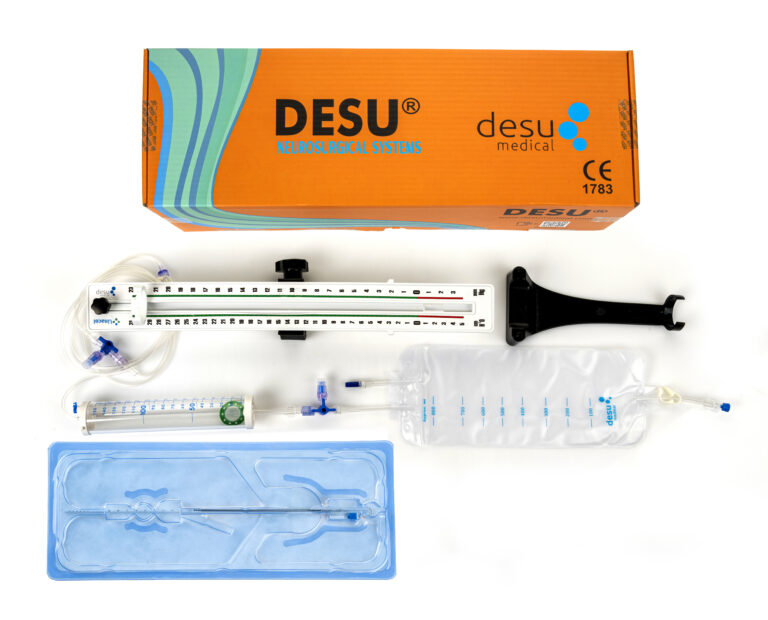
An External Ventricular Drainage (EVD) system is a medical device used to relieve elevated intracranial pressure by draining excess cerebrospinal fluid (CSF) from the brain’s ventricles to an external collection system.
Why is an EVD procedure performed?
An EVD is typically performed to treat conditions such as hydrocephalus, traumatic brain injuries, subarachnoid haemorrhage, or infections that cause an increase in intracranial pressure.
How is the EVD procedure carried out?
The EVD procedure involves inserting a thin tube (catheter) through the skull and into the brain’s ventricle, often in a sterile operating room under local or general anaesthesia.
Is the EVD procedure painful?
The procedure is usually performed under anaesthesia, so the patient typically does not feel pain during the insertion. Some discomfort may be felt after the procedure.
How long does the EVD stay in place?
The EVD usually remains in place for a few days to two weeks, depending on the patient’s condition and how quickly the underlying problem improves.
What risks are associated with an EVD?
Risks include infection, bleeding, blockage of the catheter, and possible damage to brain tissue during insertion.
How do healthcare professionals monitor the EVD?
Healthcare professionals regularly check the drainage system’s level, amount and appearance of CSF, maintain sterile technique, and assess for signs of complications.
Can the EVD be managed at home?
No, EVDs are managed in a hospital setting because they require close monitoring and are at risk of potentially serious complications.
What are signs of EVD complications?
Signs include fever, headaches, changes in consciousness, redness or swelling around the insertion site, or a sudden change in the amount or appearance of drainage.
What happens after the EVD is removed?
After EVD removal, the patient is monitored for signs of increased intracranial pressure or infection. Some patients may need further treatment such as the placement of a permanent shunt.
