What You Need to Know About Dural Graft Surgery and Its Benefits

lp-shunts evd bone graft membrane shunt shunts antibiotic Impregnated Catheters antibiotic Impregnated Catheter External Ventricular Drainage

What You Need to Know About Dural Graft Surgery and Its Benefits

When it comes to repairing or protecting the delicate tissues of the brain and spinal cord, surgeons often turn to advanced methods like dural graft surgery. This technique involves using special materials to replace or reinforce the dura mater, addressing injuries, defects, or diseases that compromise this critical membrane.

Although the thought of brain or spine surgery can be daunting, understanding the process, the types of dural graft materials involved, and the possible benefits provides valuable peace of mind. In my opinion, learning about the latest medical breakthroughs, such as innovations by companies like Desu Medical, helps patients and families feel more confident when facing tough health decisions. Additionally, knowing the potential risks and recovery expectations can make a significant difference, especially if you or a loved one is considering this surgery.

Key Points

  1. Dural graft surgery repairs or supports the protective layer of the brain and spine using various materials, offers important health benefits, comes with some potential complications, and continues to advance through innovations from companies like Desu Medical.

Understanding Dural Graft Surgery: An Overview of the Procedure

Dural graft surgery is an intricate procedure designed to repair or replace damaged dura mater, the protective layer surrounding the brain and spinal cord. The choice of dural graft materials can vary; options include autologous tissue, synthetic substitutes, or even animal-derived products. Although there is no one-size-fits-all approach, surgeons tailor the method based on the patient’s needs and the extent of the dura defect. For most, dural graft surgery follows a series of structured steps:

  1. Preparation: thorough assessment and strategic planning.
  2. Resection: removal or repair of compromised dura tissue.
  3. Placement: insertion of the selected graft material.
  4. Closure: meticulous sealing to prevent leaks or infection.

Still, despite modern advancements, dural graft complications such as cerebrospinal fluid leak or infection may arise. However, these risks remain relatively rare, especially with careful technique and material selection. Each case is unique, and positive outcomes generally outweigh potential drawbacks.


When Is Dural Grafting Recommended? Key Indications and Criteria

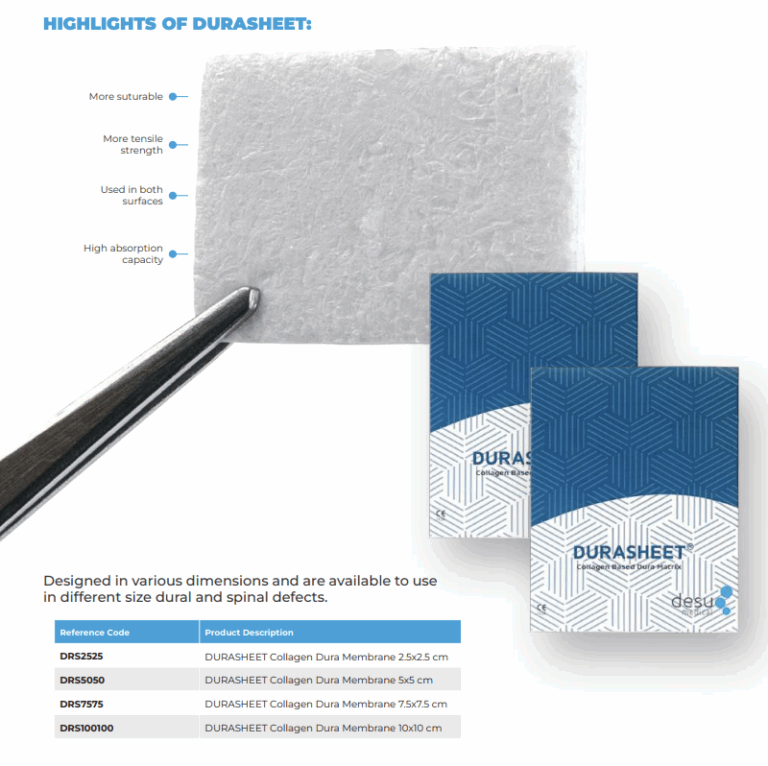
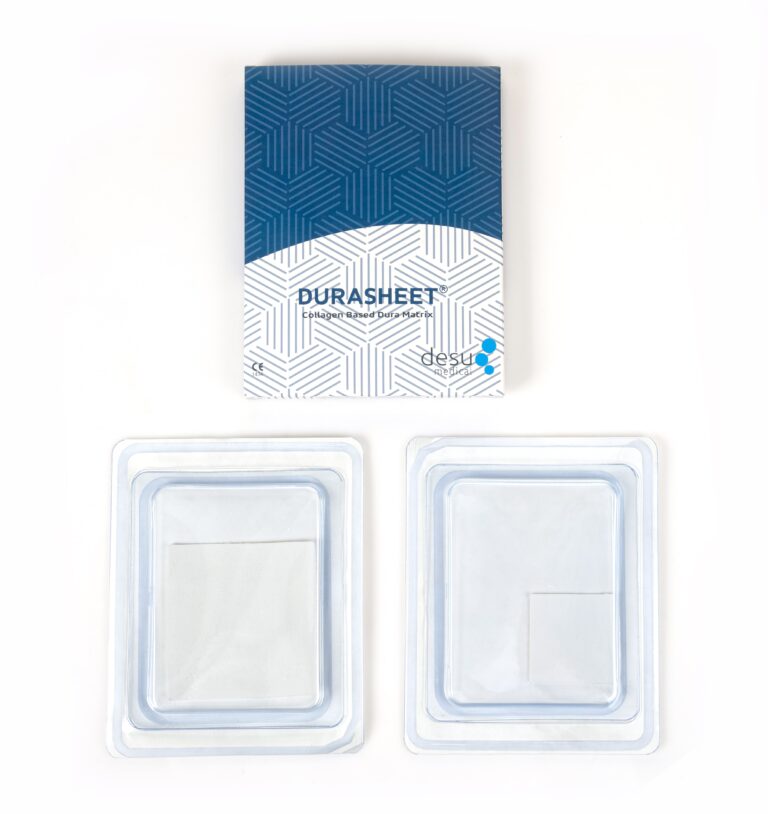
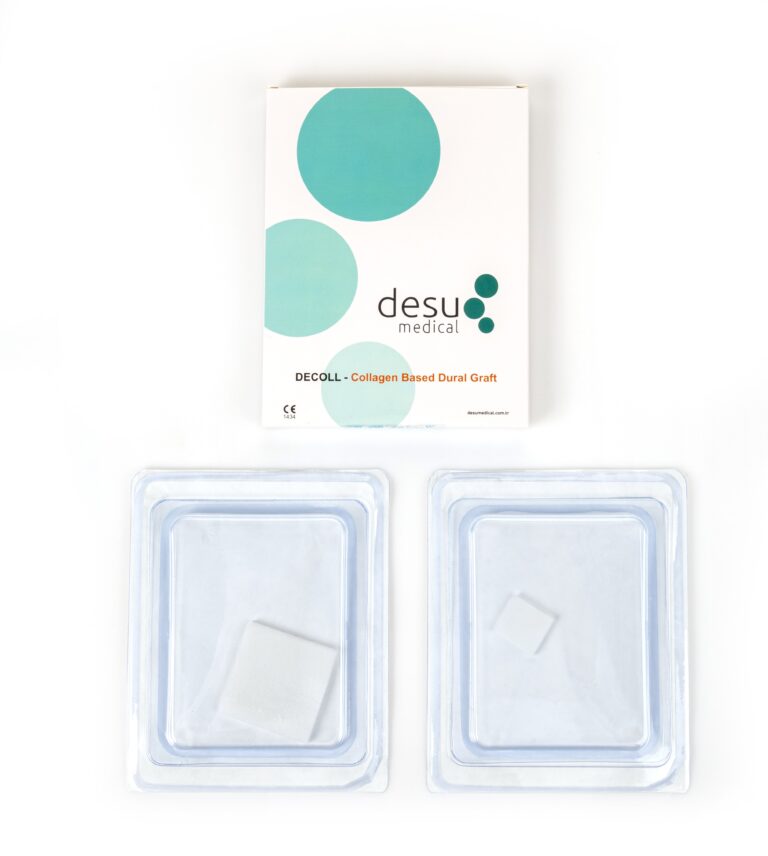
Dural grafting is considered a vital solution when the dura mater—the protective covering of the brain and spinal cord—experiences a defect or damage that cannot heal on its own. Classic indications for dural graft surgery include traumatic injuries, tumor resections, or infection-related defects that leave the dura compromised. Sometimes, conditions like congenital malformations or after extended neurosurgical interventions may also necessitate the use of desu medical grafts. Surgeons might recommend a graft if the risk of cerebrospinal fluid leakage is high or if direct suturing is impossible.

The decision process is, however, rarely black-and-white. Surgeons often weigh the size and location of the defect alongside patient-specific factors, such as underlying health conditions or prior surgeries. In general, dural graft surgery aims to restore structural integrity and prevent further complications, yet the timing and necessity depend on careful clinical judgment. Regardless, desu grafts can significantly aid optimal healing.


Types of Dural Grafts: Autologous, Allogenic, and Synthetic Options

Understanding the various choices for dural graft surgery is essential for surgeons and patients alike. Generally, there are three main types to consider. Autologous grafts use tissue from the patient’s own body, which can help minimize rejection and infection risks. However, harvesting this tissue may extend dural graft surgery time and may not be suitable for everyone. In contrast, allogenic grafts are sourced from human donors.

These can provide a convenient option but sometimes raise questions around availability and compatibility. Meanwhile, synthetic materials have gained popularity, especially in complex dural graft surgery cases, because they are readily accessible and avoid donor-related concerns. Nevertheless, some surgeons may hesitate due to possible long-term effects or individual reactions. Ultimately, the choice among autologous, allogenic, and synthetic options depends on patient needs, surgical goals, and, at times, a touch of surgeon preference or experience.

Step-by-Step Guide to the Dural Graft Surgical Process

Dural graft surgery demands a meticulous approach, beginning with careful patient preparation and anaesthesia. Surgeons start by identifying the damaged dura mater and assessing how much tissue needs reconstruction. In most cases, only a portion of the dura requires repairing, although surgeons sometimes uncover unexpected tissue defects during the operation. After making an incision, the surgeon isolates the affected area, aiming to minimize trauma to surrounding neural structures.

  1. Preparation: sterile field set-up and anaesthesia administration.
  2. Exposure: the dura mater is carefully revealed and assessed.
  3. Placement: a suitable dural graft surgery material—either synthetic or autologous—is sized and sutured into position.
  4. Sealing: surgeons check for leaks, sometimes adjusting their technique if the graft proves less adaptable.
  5. Closure: tissue layers are realigned and stitched, promoting optimal healing post-dural graft surgery.

The process might seem routine, but, in my opinion, every dural graft surgery brings its own minor complexities, especially when working near sensitive neural tissue. Nevertheless, precision at each stage can significantly improve patient outcomes.

Top Benefits of Dural Graft Surgery for Patient Recovery

Choosing dural graft surgery can make a meaningful difference in a patient’s recovery journey. One of the main benefits is the restoration of natural barriers around the brain and spinal cord, which helps prevent leaks and potential infections. Sometimes, the recovery is quicker than expected, depending on the patient and specific situation. Dural graft surgery can also lead to less post-operative discomfort compared to some traditional repair methods.

This is likely because advanced graft materials are designed to integrate well with existing tissues. Additionally, surgeons often remark on the versatility and effectiveness of modern techniques. While outcomes do vary from case to case, many patients experience improved neurological stability and a reduced chance of complications. Therefore, dural graft surgery offers a promising approach for those seeking safer and more reliable recovery after procedures involving the delicate nervous system coverings.

Potential Risks and Complications Associated with Dural Grafting

Undergoing dural graft surgery offers major benefits but, as with many surgical procedures, there are risks to consider. The most frequently seen complications include infection, cerebrospinal fluid leakage, and sometimes adverse reactions to graft materials. Because dural graft surgery involves delicate work near the brain and spinal cord, even minor complications may have significant effects.

Nevertheless, most modern techniques minimize these risks considerably. Still, some patients may experience headaches, delayed healing, or mild inflammation following dural graft surgery. The exact likelihood of each complication varies due to differences in individual health and surgical technique.

Possible Risk Frequency
Infection Low, but present
Fluid Leakage Occasional
Inflammation Rare

“Although dural graft surgery usually proceeds without incident, being aware of the possible complications helps patients make informed decisions.”

Ultimately, careful planning and open discussion with your surgeon can reduce risks, leading to more confident outcomes.

Postoperative Care and Recovery Tips After Dural Graft Surgery

Proper care and attention after dural graft surgery is crucial for optimal recovery. Most patients notice gradual improvements within weeks, although timelines can differ. There are key steps to support your healing process and reduce the risk of complications following dural graft surgery:

  1. Wound care: Maintain cleanliness around the surgical area and follow your doctor’s dressing instructions.
  2. Activity restrictions: Rest is important, yet short, gentle walks may help circulation unless your doctor advises otherwise.
  3. Hydration and diet: Consuming enough fluids and a balanced diet can support tissue repair following dural graft surgery.

You might experience some swelling or mild discomfort after the procedure; however, persistent symptoms should prompt immediate medical advice. Always report any fever or unexpected headaches, as these could indicate infection or other complications. Individual recovery experiences can vary, so, in my opinion, following personalised medical guidance greatly benefits long-term outcomes.

Latest Innovations and Advances in Dural Graft Technology

The field of dural graft surgery continues to evolve, bringing new materials and techniques for better patient outcomes. Recent developments focus on enhancing the strength and compatibility of graft materials. For example, some surgeons now prefer synthetic composites, which tend to resist infection and degrade at a slower rate. Naturally derived materials, however, still hold a place, especially in complex dural graft surgery cases where flexibility is key.

There has also been significant interest in bioengineered options, potentially allowing for better integration with the body’s own tissues. Although it remains debatable which approach is universally superior, many agree that improved sealing technology reduces the risk of cerebrospinal fluid leakage—a persistent challenge in dural graft surgery. Additionally, advancements in minimally invasive techniques are making graft placement faster and potentially less traumatic for patients. Nevertheless, as new options emerge, personalised treatment remains crucial for optimal healing and recovery.

Frequently Asked Questions About Dural Graft Surgery

Patients often have questions before and after their dural graft surgery. The most common ones revolve around recovery time, potential risks, and long-term outcomes. Generally, individuals experience varying recovery periods depending on the condition being treated and their overall health; most can expect several weeks before returning to normal routines. There is always some uncertainty regarding risks, but dural graft surgery is considered relatively safe when performed by experienced professionals. Possible complications include infection, cerebrospinal fluid leaks, or delayed healing.

Nevertheless, these remain uncommon when proper care is taken. Many wonder about the material used for grafts—sometimes it’s taken from the patient’s own tissue, while in other cases, synthetic or donor grafts are chosen. Each choice offers benefits and potential drawbacks. Patients should therefore discuss their unique case in-depth with their medical team, as every dural graft surgery can involve individual factors influencing results.

Conclusion

In summary, considering the intricacies of dural graft surgery, it becomes clear that careful preparation and a tailored approach make all the difference. Each patient brings a unique set of challenges, but with the right expertise and up-to-date techniques, outcomes can be truly positive. Although there are inherent risks, continued innovation in materials and methods offers hope for safer procedures and smoother recoveries. Ultimately, focusing on the needs of each individual ensures that dural graft surgery remains a valuable and evolving tool in modern medicine.

Frequently Asked Questions

What is dural graft surgery?

Dural graft surgery is a procedure where a patch (graft) is used to repair or replace the dura mater, the outermost membrane covering the brain and spinal cord, when it is damaged or needs to be expanded.

Why might someone need dural graft surgery?

Dural graft surgery may be required after trauma, tumors, infections, surgery for aneurysms or spinal problems, or to treat cerebrospinal fluid (CSF) leaks.

What materials are used for dural grafts?

Dural grafts can be made from the patient’s own tissue (autografts), donor tissue (allografts), animal tissue (xenografts), or synthetic materials such as collagen or polymer-based products.

Is dural graft surgery safe?

While dural graft surgery is generally safe and commonly performed, it carries some risks like infection, bleeding, or graft rejection, as with any surgical procedure.

How long does recovery take after dural graft surgery?

Recovery varies depending on the individual case, but most patients can expect to spend several days in hospital and may take weeks to months for a full recovery.

Are there any complications associated with dural grafts?

Possible complications include infection, CSF leakage, inflammation, graft rejection, or neurological issues, though these risks are relatively rare.

Will I need to take medication after the surgery?

You may be prescribed pain medications, antibiotics to prevent infection, or medications to manage other symptoms during your recovery.

Can dural grafts be rejected by the body?

Rejection is rare but can occur, particularly with non-autologous grafts. Surgeons take care to minimize this risk through material selection and careful surgical technique.

How is a dural graft surgery performed?

Under anesthesia, the damaged dura is exposed, and the surgeon attaches a suitable graft material to close or reinforce the area using sutures or special adhesives.

What should I watch out for after coming home from surgery?

Watch for signs of infection (fever, redness, drainage), severe headache, persistent CSF leak, or neurological changes, and contact your doctor immediately if these occur.

Company updates via LinkedIn