
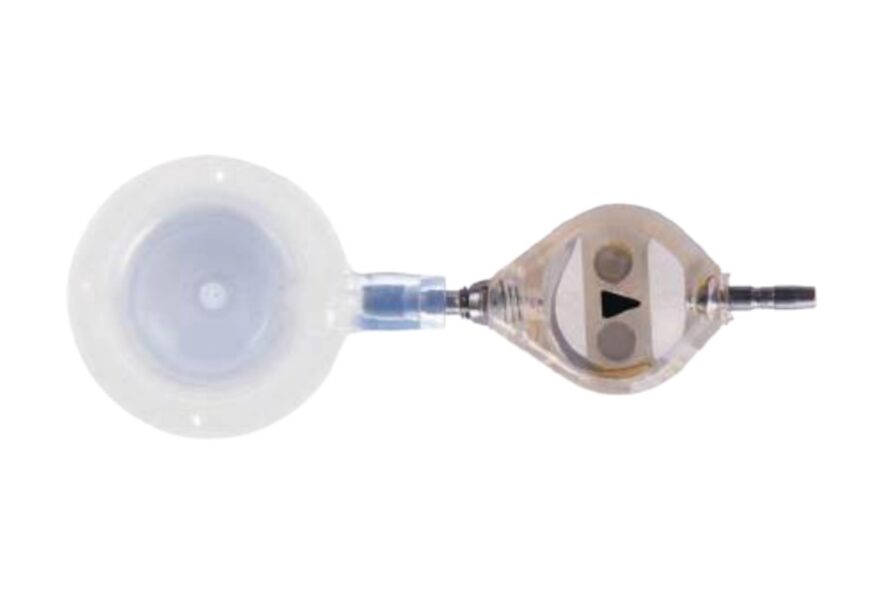
How Do Shunts Revolutionise the Management of Hydrocephalus?
Managing hydrocephalus, a condition marked by the accumulation of excess cerebrospinal fluid in the brain, poses significant challenges for both patients and healthcare professionals. Over the decades, remarkable medical advances have brought new hope, yet the introduction of Shunts for Hydrocephalus management has arguably been the most transformative. These ingenious devices help maintain normal pressure within the brain by diverting fluid to other parts of the body.
For individuals dealing with persistent symptoms, the Benefits of Shunts for Hydrocephalus can be life-changing, allowing greater comfort and improved daily functioning. Still, understanding how these systems work and why they are so effective is essential for anyone affected by hydrocephalus or those supporting them. In exploring the impact and evolution of Shunts for Hydrocephalus treatment, we gain valuable insight into their crucial role in modern neurology.
Key Points
- Shunts for Hydrocephalus management redirect fluid to relieve brain pressure, improving patient quality of life.
- Technological advancements have made Shunts for Hydrocephalus treatment safer and more reliable over time.
- The Benefits of Shunts for Hydrocephalus include symptom relief, reduced risks of complications, and enhanced independence.
Related content:
Standardization in Dural Repair: Dural Graft Substitute for Neurosurgery Solutions
What is Resorbable Collagen Dural Grafts?

Understanding Hydrocephalus: Causes, Symptoms, and Diagnosis
Hydrocephalus is a complex neurological condition, often resulting from an imbalance between the production and absorption of cerebrospinal fluid within the brain. The exact cause can vary—some experience it at birth, while others develop it later due to injury, infection, or as a complication of other conditions. Symptoms can be subtle or pronounced, including persistent headaches, vision disturbances, or even balance difficulties.
Distinguishing signs may include changing mental status or, in infants, an unusually rapid head growth. Diagnosis usually involves a combination of neurological exams and brain imaging techniques, yet, sometimes early symptoms are mistaken for other issues, delaying treatment. Several management options exist, but Shunts for Hydrocephalus treatment remain widely utilized.
The Benefits of Shunts for Hydrocephalus typically involve relieving pressure, reducing symptoms, and supporting day-to-day functioning. For effective Shunts for Hydrocephalus management, monitoring and follow-up are crucial, because patient responses can differ considerably.
- Symptoms: variety in presentation
- Diagnosis: relies on imaging and exams
- Management: Shunts for Hydrocephalus management under medical supervision
Innovative Solutions: Antibiotic-Impregnated Shunts by Desu Medical
In the evolving landscape of Shunts for Hydrocephalus management, infection control remains a central concern. Recognizing this, Desu Medical has introduced shunt systems impregnated with antibiotics during
manufacturing. These advanced solutions aim to reduce the risk of infection after surgical placement, which is particularly important for vulnerable patients.
Accordingly, antibiotic-impregnated shunts can offer added reassurance for both healthcare providers and individuals relying on such devices. Advances like these demonstrate an ongoing commitment to improving safety and outcomes within the realm of Shunts for Hydrocephalus treatment, hence providing even more comprehensive Shunts for Hydrocephalus management options.
Evolution of Hydrocephalus Treatment: From Early Interventions to Modern Shunts
The journey of treating hydrocephalus spans centuries, with methods transforming dramatically over time. Early practitioners experimented with crude techniques, such as punctures or external drains, yet these often produced inconsistent results. Thankfully, medical innovation progressed, bringing about the reliable surgical solutions that are now standard.
The introduction of Shunts for Hydrocephalus management marked a turning point, allowing excess fluid to drain from the brain into other body cavities, especially the abdomen. Though these Shunts for Hydrocephalus management have significantly improved outcomes, complications like blockages or infections sometimes arise, raising ongoing discussions about optimal care.
Nevertheless, advances in materials and design have gradually reduced risks, leading to ever more effective Shunts for Hydrocephalus management. Today, the decision regarding which type of shunt to use often depends on patient age, underlying causes, and surgeon preference. The journey is ongoing, and future innovations may hold unexpected promise for affected individuals.
What Are Shunts? Types, Mechanisms, and Innovations in Shunt Technology
Shunts are remarkable medical devices, often used to redirect fluid within the body to relieve pressure or prevent damage. When it comes to Shunts for Hydrocephalus management, their main function is to divert excess cerebrospinal fluid from the brain to another part of the body, usually the abdominal cavity. There are various types, but the most familiar are ventriculoperitoneal, ventriculoatrial, and lumboperitoneal shunts.
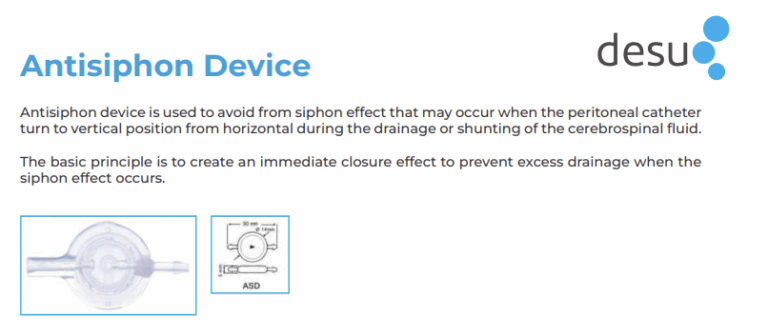
Each type features a unique mechanism for fluid regulation, incorporating valves that are sometimes fixed but can also be programmable, which allows tailored settings per patient. Innovations in shunt technology, such as anti-siphon devices or antibiotic-impregnated materials, strive to tackle challenges like over-drainage and infection. Still, despite this progress, complications remain relatively common, and researchers continue seeking more reliable and adaptive shunts for hydrocephalus management, making the field both promising and dynamic.
The Role of Shunts in Managing Intracranial Pressure in Hydrocephalus Patients
One of the central approaches to addressing raised intracranial pressure in Shunts for Hydrocephalus management is the use of shunt systems. These devices carefully divert excess cerebrospinal fluid from within the brain to other parts of the body, typically the abdomen, where it is absorbed. Because the pressure inside the skull must be managed with precision, shunt function is vital for symptom relief and prevention of damage. However, results can vary, as every patient responds differently—some experience immediate improvement, while others may need frequent adjustments.
Shunts for Hydrocephalus management come in several types, each designed to suit particular patient profiles or needs. The most common include:
- Ventriculoperitoneal shunt: routes fluid from the brain to the abdominal cavity.
- Ventriculoatrial shunt: redirects fluid to the heart.
- Lumboperitoneal shunt: moves fluid from the lower spine to the abdomen.
Although Shunts for Hydrocephalus management are widely used, occasional complications—like blockages or infections—still occur, necessitating ongoing specialist follow-up.
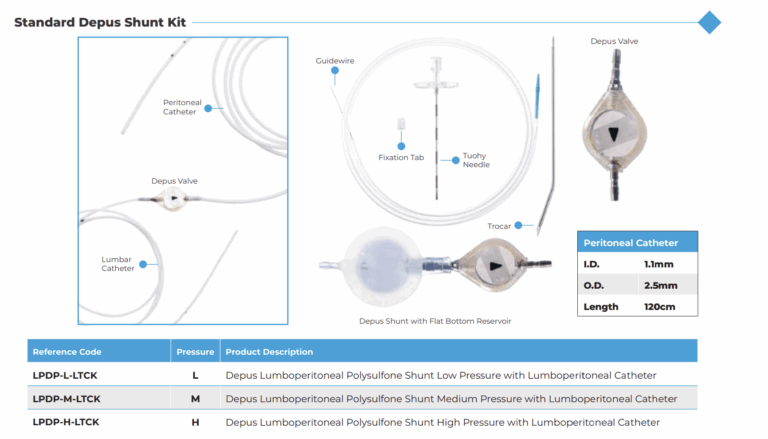
Surgical Procedure: How Shunts Are Implanted for Hydrocephalus Management
The implantation of shunts for hydrocephalus management involves a careful and well-orchestrated surgical process. Generally, the procedure begins with the patient under anaesthesia. Surgeons then make a small incision on the scalp and create an opening in the skull. This allows them to access the brain’s ventricles, where they gently insert the catheter. In most cases, the shunt for hydrocephalus management extends from the brain to another part of the body—often the abdomen—to allow excess fluid to drain safely.
The valve attached to the shunt helps regulate this flow and avoid complications, though, unfortunately, no approach is entirely risk-free. Recovery is usually steady, yet some individuals may require further adjustments as they heal. Therefore, close post-surgical monitoring is essential. With experienced hands, shunts for hydrocephalus management offer a vital solution, providing ongoing relief for those living with this complex condition.
Comparing Shunt Systems: Programmable vs. Fixed-Pressure Shunts
Choosing the right Shunts for Hydrocephalus management can feel complex. Most often, patients and clinicians must decide between programmable shunts and fixed-pressure shunts. The main distinction lies in adjustability. Programmable shunts allow doctors to change the drainage pressure non-invasively, typically with a magnetic tool, which offers flexibility as patient needs change over time. In contrast, fixed-pressure shunts operate at a preset pressure determined during surgery and cannot be altered without further intervention.
| Feature | Programmable | Fixed-Pressure |
|---|---|---|
| Adjustability | Adjustable | Non-Adjustable |
| Follow-up | Frequent adjustments possible | May need surgery to change |
“
Some patients benefit from the adaptability of programmable systems, while others do well with the simplicity of fixed devices.
” Accordingly, both types of Shunts for Hydrocephalus management offer clear benefits. Yet, individual needs and lifestyle may tip the balance in different directions.
Shunt Complications and How They Are Addressed in Clinical Practice
Complications surrounding Shunts for Hydrocephalus management represent a significant challenge in clinical settings. Common issues include infection, blockage, and mechanical failure, each with different consequences for patient well-being. Unfortunately, the symptoms can be subtle at first—headaches or irritability, for example—therefore continuous monitoring is vital. Diagnosing complication sources is not always straightforward, because symptoms sometimes mimic unrelated conditions. Nevertheless, clinicians employ several strategies to address these complications:
- Infection: Removal or replacement of the affected Shunts for Hydrocephalus management and administration of targeted antibiotics.
- Blockage: Surgical revision or flushing to restore Shunts for Hydrocephalus management function.
- Mechanical failure: Prompt identification followed by repair or replacement, depending on the severity.
Despite these proactive approaches, outcomes can vary depending on patient age, comorbidities, and timing of intervention. Accordingly, ongoing research and evolving techniques aim to minimize risk and improve long-term results for individuals relying on shunt devices.
Improving Patient Outcomes: Long-Term Benefits of Shunt Therapy in Hydrocephalus
The long-term outcomes for individuals receiving Shunts for Hydrocephalus management can be quite encouraging, though results may vary from one patient to another. Evidence often suggests that Shunts for Hydrocephalus management not only alleviate symptoms such as headaches and mobility problems, but also help prevent further neurological deterioration.
Nevertheless, complete restoration may not always be achievable; some patients notice gradual improvements over years, while others see benefits much sooner. Factors including patient age, hydrocephalus type, and the timing of intervention affect success rates. Improved mobility, enhanced cognitive function, and greater independence are frequently reported.
Additionally, Shunts for Hydrocephalus management contribute to better quality of life even if minor complications arise occasionally. Therefore, regular follow-up care plays a crucial role in maximising the ongoing benefits. Overall, long-term use of shunt therapy offers hope and measurable progress for many living with hydrocephalus, despite this somewhat complex landscape.
Recent Advances and Future Directions in Shunt Development and Hydrocephalus Care
Recent years have witnessed notable progress in the field of Shunts for Hydrocephalus management, bringing new hope to patients and clinicians alike. Innovative valve technologies, better materials, and targeted designs now allow for more reliable Shunts for Hydrocephalus management, yet challenges such as infection risks and mechanical failure remain. Some research focuses on smart valves that automatically adjust to changes in pressure, which may reduce complications over time.
However, integrating these features without increasing the device’s complexity seems to be a delicate balance. Additionally, advances in imaging and monitoring help specialists track how well Shunts for Hydrocephalus management perform post-surgery. Still, questions persist about long-term outcomes, especially in children who often require several revisions. Overall, while ongoing development shows promise, the future of hydrocephalus care will likely depend on a combination of technology, personalised treatment, and continued research.
Patient Education and Post-Surgical Care: Maximising Success in Shunt Management
Successful Shunts for Hydrocephalus management often rely on a good partnership between patient, family, and healthcare team. Understanding the purpose of Shunts for Hydrocephalus management devices, and recognising early warning signs, can truly make a difference. Patients may receive detailed instructions, but the real test comes after discharge, when daily routines resume and small changes might go unnoticed. For example, symptoms such as persistent headaches or subtle changes in behaviour could signal a potential issue.
- Wound care: Regularly inspect the incision for redness or swelling.
- Symptom tracking: Monitor for abnormal drowsiness or repeated vomiting.
- Follow-up: Attend all scheduled clinic visits to ensure the Shunts for Hydrocephalus management are functioning well.
Nevertheless, individual responses may vary, and it’s not always possible to predict every challenge. Staying informed, asking questions, and reporting concerns immediately improves outcomes, especially in the first weeks after the procedure.
Conclusion
In summary, Shunts for Hydrocephalus management remain a cornerstone in improving patient quality of life. Although no treatment is without its challenges, shunts offer a lifeline where few alternatives exist. The advances in technology continue to refine their effectiveness and safety, offering hope to families facing this diagnosis. Ultimately, staying informed and working closely with healthcare professionals ensures the best possible outcomes for those relying on these devices.
For more information, visit Desu.
