
Navigating the Hidden Challenges of Shunt Complications in Hydrocephalus
Living with hydrocephalus often means adapting to new routines and medical devices, with Shunts for Hydrocephalus management playing a crucial role in daily well-being. However, despite the significant Benefits of Shunts for Hydrocephalus in relieving pressure and preventing further complications, many patients and caregivers find themselves facing unexpected challenges. Complications are not always obvious, and symptoms can sometimes be subtle or easily mistaken for something else.
This is why understanding Shunts for Hydrocephalus complications is so important. A well-informed approach can make all the difference, helping families respond calmly and quickly when issues arise. The journey may be unpredictable at times, but being prepared and knowledgeable provides a foundation of reassurance and support.
Key Points
- Recognising both the subtle and overt symptoms of shunt issues is vital for timely intervention and successful Shunts for Hydrocephalus management.
- Staying informed about Shunts for Hydrocephalus complications empowers patients and caregivers to collaborate effectively with healthcare providers.
- Understanding potential risks and having an action plan in place enhances the overall Benefits of Shunts for Hydrocephalus while navigating daily life with hydrocephalus.
Related content:
Standardization in Dural Repair: Dural Graft Substitute for Neurosurgery Solutions
Advanced Engineering in Bone Repair Materials

Understanding Hydrocephalus and the Role of Shunt Systems
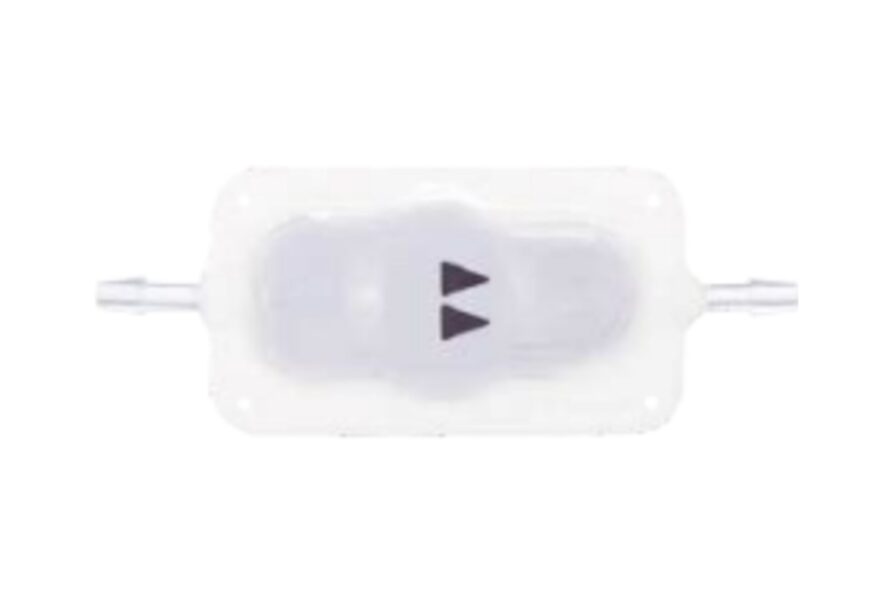
Hydrocephalus is a neurological condition marked by an accumulation of cerebrospinal fluid within the brain’s ventricles. This build-up may lead to increased pressure, sometimes resulting in symptoms like headaches, balance issues, or even changes in mental status. To manage these effects, specialists turn to Shunts for Hydrocephalus treatment. These intricate devices channel excess fluid away from the brain, promoting pressure relief and, ideally, improving quality of life.
The Benefits of Shunts for Hydrocephalus often include better neurological function and reduced discomfort, although outcomes can vary because every patient seems to respond differently. While Shunts for Hydrocephalus management prove effective for many, there remain concerns regarding Shunts for Hydrocephalus complications such as infection, blockage, or device malfunction. Some commonly observed issues include:
- Infection: bacteria can colonize the shunt, often requiring intervention.
- Obstruction: buildup of tissue or debris may block the flow of fluid.
- Mechanical failure: wear and tear can sometimes lead to malfunction.
Therefore, ongoing follow-up is crucial after placement.
Innovative Shunt Solutions from a Trusted Provider
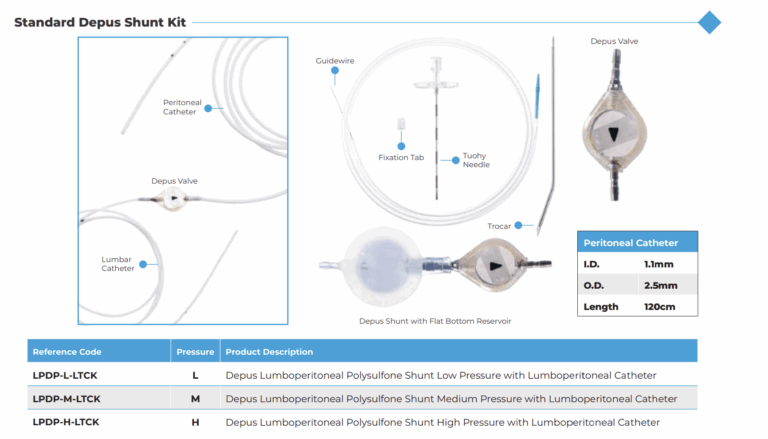
Recognizing the challenges of Shunts for Hydrocephalus complications, Desu Medical offers advanced shunt systems specifically designed with antibiotic impregnation. This innovative approach aims to reduce infection risk, which can be a persistent issue for patients relying on continuous Shunts for Hydrocephalus management.
By integrating antibiotics directly into the shunt, Desu Medical strives to enhance the safety profile and long-term success of these devices, supporting patients and physicians in overcoming one of the more difficult obstacles within Shunts for Hydrocephalus treatment.
Early Warning Signs: Recognising Subtle Shunt Malfunction Symptoms
Spotting the early indicators of Shunts for Hydrocephalus complications can be surprisingly tricky. At times, changes may creep in slowly, almost blending with day-to-day fluctuations in mood or behaviour. A sudden headache or mild irritability, for instance, can often be dismissed as nothing serious; however, such symptoms may actually hint at the onset of Shunts for Hydrocephalus complications. Additionally, unexplained tiredness, mild balance issues, or even brief bouts of nausea could also serve as warning signals.
Despite this, there is sometimes an overlap between these signs and ordinary health ups and downs, which can make interpretation challenging. Still, persistence or worsening of these issues deserves prompt attention.
Therefore, staying alert to subtle patterns and recording anything new or unusual may help. Early detection of Shunts for Hydrocephalus complications remains crucial, as swift medical review can prevent more severe outcomes.
Diagnostic Approaches to Detecting Shunt Failures
Detecting failures in Shunts for Hydrocephalus complications presents unique clinical challenges. Physicians often rely on a combination of symptom assessment, imaging, and sometimes invasive testing. Nevertheless, diagnosis can be complex, as certain symptoms such as headaches or nausea might overlap with unrelated issues. Therefore, clinicians may initiate an evaluation with a thorough physical examination and a detailed review of the patient’s history, focusing on any changes that suggest a problem with the Shunts for Hydrocephalus complications.
Common diagnostic tools include CT scans, MRI, or shunt series X-rays, each with varying sensitivity for identifying mechanical issues or blockages. Occasionally, a shunt tap may be performed to measure pressure or check flow. Additionally, new technologies offer non-invasive monitoring, yet their accuracy sometimes remains a topic of debate.
- Symptom evaluation: identifies clinical warning signs
- Imaging studies: visualises shunt positioning and possible obstructions
- Functional testing: assesses actual shunt performance
Early and accurate detection of Shunts for Hydrocephalus complications is crucial for prompt intervention and better outcomes.
Strategies for Minimising Shunt-Related Infections and Blockages
Minimising both infections and blockages in Shunts for Hydrocephalus complications is vital for maintaining patient well-being. Strict adherence to sterile surgical techniques remains the cornerstone, as operating room practices can greatly affect infection rates; however, some studies suggest even the most rigorous protocols do not fully eliminate risk. The choice of shunt materials, especially newer antimicrobial catheters, may help, although the evidence is still evolving.
Postoperative care also plays a significant role: careful monitoring for early symptoms—such as redness or swelling—can enable rapid intervention. Proper patient and caregiver education about the warning signs of Shunts for Hydrocephalus complications encourages timely medical attention, which is crucial. Regular follow-up appointments allow teams to spot subtle changes that might indicate a problem.
Although no strategy guarantees complete prevention, combining these practices seems the most effective approach to reducing both infection and blockage rates in Shunts for Hydrocephalus complications.
The Psychological Impact of Recurrent Shunt Complications
Living with for Hydrocephalus complications can present considerable emotional challenges. When individuals face frequent shunt malfunctions or hospital visits, it often leads to heightened anxiety and ongoing uncertainty about health. These worries may become persistent, sometimes affecting sleep and daily mood. In my opinion, the unpredictable nature of for Hydrocephalus complications can make planning for the future feel somewhat impossible.
“Each unexpected hospital admission disrupts not only the patient’s life, but the entire family’s sense of stability.”
Additionally, children and adults might develop feelings of isolation because their experiences seem unlike those of their peers. Nevertheless, support from loved ones and open communication with healthcare professionals can make a significant difference. While outcomes may vary, acknowledging the psychological impact of for Hydrocephalus complications is an important step toward long-term well-being.
Innovative Technologies for Monitoring Function in Hydrocephalus
The field of hydrocephalus care is undergoing notable transformation with the introduction of innovative technologies that monitor function. Traditionally, detecting issues with for Hydrocephalus complications relied on observing symptoms or performing routine imaging. However, recent developments now offer far more precise and timely tracking.
Some cutting-edge approaches include:
- Implantable sensors: These devices monitor pressure or flow, providing real-time data on Shunts for Hydrocephalus complications.
- Non-invasive flow analyzers: These tools check patency without needing surgery, though their accuracy may sometimes vary.
- Wearable technologies: Apps and devices help log symptoms and transmit vital information directly to healthcare providers, offering early warning of any for Hydrocephalus complications.
Despite this progress, questions remain about long-term reliability and access to these technologies. Nevertheless, such advancements are creating hope for better outcomes and more personalized monitoring for those living with hydrocephalus.
Patient Education: Empowering Individuals to Identify Complication Risks
Patient education remains vital in helping individuals recognize potential for Hydrocephalus complications. By understanding possible warning signs, patients and families become better prepared to notice subtle changes. However, the specific signs of for Hydrocephalus complications can sometimes be quite varied, including headaches, vomiting, or changes in alertness.
Therefore, ongoing communication with healthcare teams is essential; even mild symptoms should be discussed. Although most individuals do well after surgery, recognizing problems early allows for faster intervention. In my opinion, patients may not always feel confident about identifying these risks, especially because symptoms may overlap with other conditions. Nevertheless, tailored guidance and simple checklists can support confident decision-making.
Additionally, regular follow-up ensures that any suspected for Hydrocephalus complications do not go unnoticed. Working together, patients and clinicians create a safer environment through knowledge and shared responsibility.
