
Every dural graft implanted in a patient should be traceable: the hospital must be able to say which product, from which lot, was used in which patient, and the manufacturer must be able to trace that lot back through production. Dural graft traceability is a legal requirement under the European Medical Device Regulation and a practical safeguard in case of a field safety notice. This guide explains how traceability works and how grafts should be stored before use.
Why Dural Graft Traceability Matters
Dural grafts are implantable devices that remain in the body until they are resorbed or permanently. If a problem is ever identified with a particular production lot, the manufacturer and the hospital need to identify quickly which patients received grafts from that lot. Without reliable records this becomes slow or impossible. Traceability also supports clinical audit, stock management and the reporting of incidents to the competent authorities.
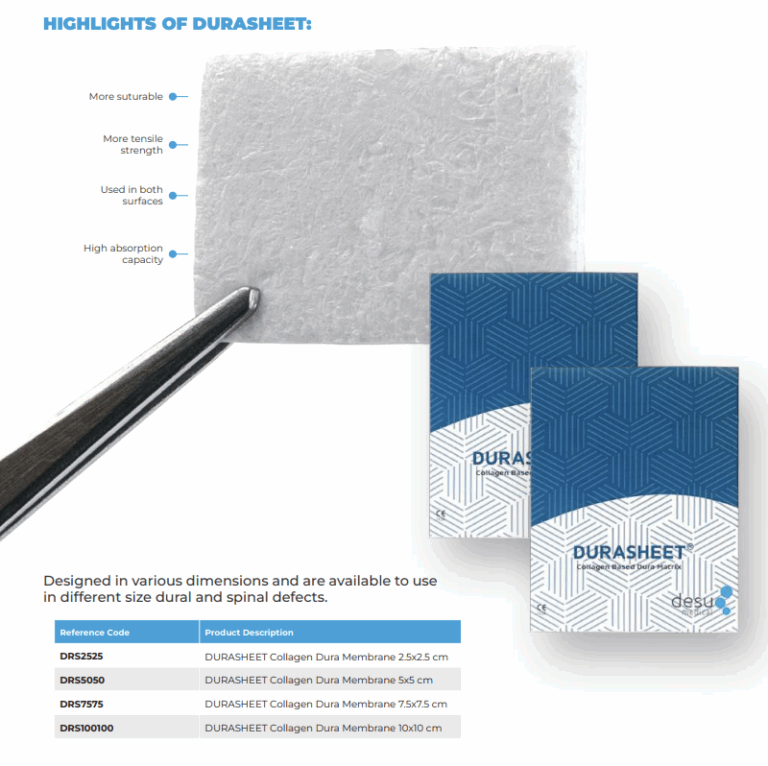
The Regulatory Framework
Dural graft traceability rests on clear legal requirements. In the European Union, medical devices are governed by Regulation (EU) 2017/745, the Medical Device Regulation (MDR). Collagen dural grafts of animal origin are high-risk devices, as described in our article on EU MDR Class III requirements. The MDR introduced a Unique Device Identification (UDI) system and requires manufacturers, distributors and health institutions to keep records that allow devices to be traced.
What Is a UDI?
A UDI is a code placed on the label and packaging of a device. It has two parts:
- UDI-DI (device identifier): identifies the specific model and size, for example a particular DECOLL format.
- UDI-PI (production identifier): identifies the production unit, such as the lot or batch number and the expiry date.
The UDI is provided in human-readable form and in machine-readable form, usually as a barcode, so that it can be scanned into hospital systems.
Implant Information for Patients
The MDR also requires that patients with implanted devices receive information about the implant, typically through an implant card, unless the device type is exempted. Hospitals should follow the information supplied with each product and their national rules on what is given to the patient.
Dural Graft Traceability in the Operating Room
- Before opening: check the label, product code, lot number and expiry date.
- At implantation: scan the UDI barcode or attach the peel-off label to the operation record.
- In the patient record: record the product, size, lot number and the date of the operation.
- For the patient: provide implant information as required by the product documentation and local rules.
Electronic scanning supports dural graft traceability by reducing transcription errors and makes later searches by lot number fast and reliable. Our guide to dural graft handling places this documentation step within the full handling sequence.
Traceability at the Manufacturer
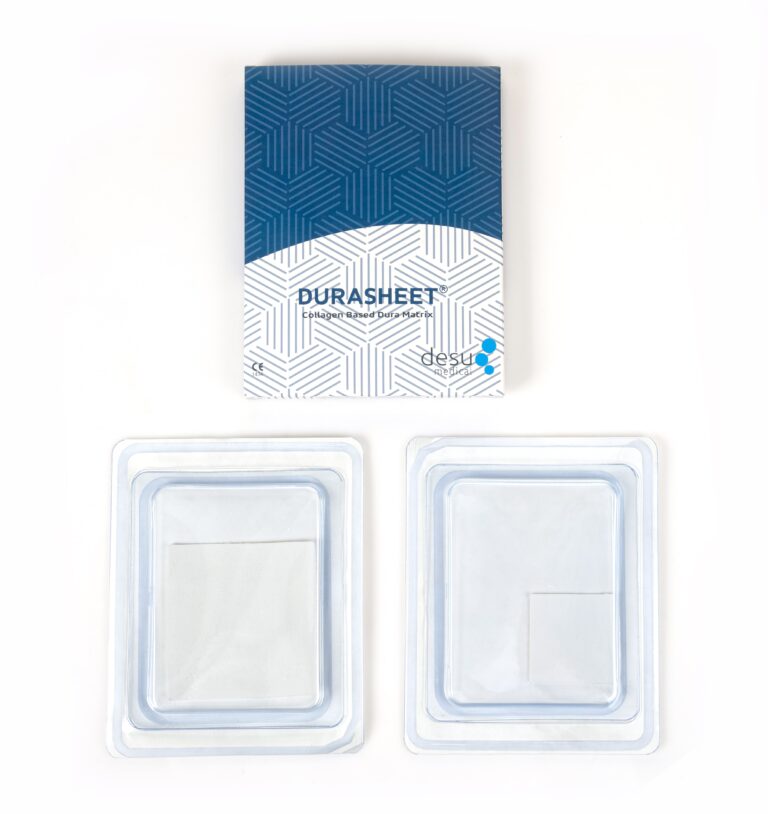
On the manufacturer’s side, dural graft traceability links each lot to its raw materials, production records, sterilisation records and test results. Desu Medical manufactures its DURASHEET and DECOLL collagen dura membranes from natural, pure Type I bovine collagen under a quality management system certified to ISO 13485, which requires documented traceability throughout production and distribution. Material of bovine origin also requires documentation of the source of the raw material, discussed in our article on bovine collagen safety.
Correct Storage Before Use
Storage is the other half of the picture: dural graft traceability shows where a graft went, and correct storage keeps it fit for use until then. Storage protects the sterile barrier and the material itself. General principles include:
- Follow the label: store the graft within the conditions stated on the packaging and in the Instructions for Use.
- Keep the packaging intact: avoid crushing, bending or puncturing the package.
- Protect from moisture and heat: store in a clean, dry area away from heat sources and direct sunlight.
- First expiry, first out: rotate stock so that grafts with the earliest expiry date are used first.
- Do not use expired or damaged products: quarantine them and follow local procedures for return or disposal.
Stock Management
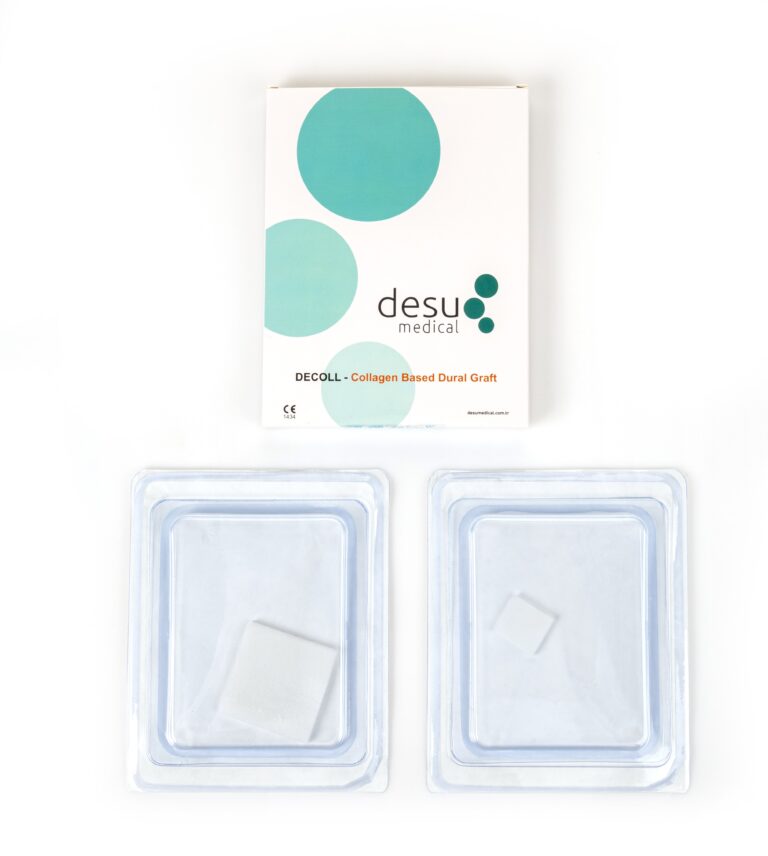
Stock control and dural graft traceability go hand in hand. Because the need for a dural graft is not always predictable, hospitals often keep a small stock of different sizes. A simple system that records sizes, quantities and expiry dates, combined with regular checks, avoids both shortages and waste. Consignment stock arrangements with distributors are common for implantable devices and also depend on reliable traceability records.
Field Safety Notices and Recalls
If a manufacturer issues a field safety notice for a lot, hospitals use their records to locate any remaining stock and to identify patients who received affected grafts. Good dural graft traceability makes this response quick and complete. Hospital procedures should name who receives such notices and how they are acted on.
Summary
Dural graft traceability connects every implant to its patient and its production history. UDI barcodes, careful records in theatre, correct storage and organised stock management protect patients and allow a fast response if a problem is ever identified.
Frequently Asked Questions
What information should be recorded when a dural graft is implanted?
At least the product name and code, size, lot number, expiry date and the date of surgery, ideally by scanning the UDI barcode or attaching the label to the record.
What is the difference between UDI-DI and UDI-PI?
UDI-DI identifies the device model and size; UDI-PI identifies the production unit, such as the lot number and expiry date.
How should dural grafts be stored?
Within the conditions on the label and Instructions for Use, in intact packaging, in a clean and dry area, with stock rotated so that the earliest expiry dates are used first.
Who is responsible for dural graft traceability in a hospital?
Responsibility is shared. The theatre team records each implant, the hospital stores the records and manages stock, and the manufacturer maintains traceability from raw material to the delivered lot.
References and Further Reading
- Regulation (EU) 2017/745 on medical devices
- European Commission: Unique Device Identifier (UDI)
- Desu Medical, DECOLL collagen dura membrane
About this article
Prepared by the Desu Medical editorial team. Desu Medical has designed and manufactured neurosurgical devices in Ankara, Türkiye, since 2007, including the DURASHEET and DECOLL collagen dura membranes, which are made from natural, pure Type I bovine collagen. Manufacturing operates under an ISO 13485 quality management system and the dural graft range is CE certified. This article is written for healthcare professionals and general information; it does not replace the Instructions for Use or clinical judgement. Last reviewed: October 2026.

1 Comment
Dural Graft Handling: Safe Theatre Practice in 7 Steps
[…] how to document their use helps keep practice consistent between teams and shifts. Our article on traceability and storage of dural grafts covers documentation in more […]